A bright, radiant smile can boost your confidence and leave a lasting impression. However, if you’re one of the many people who experience sensitive teeth, the thought of teeth whitening might seem daunting. The good news is that you don’t have to choose between a dazzling smile and comfortable teeth. In this blog, we’ll explore the causes of sensitive teeth, ways to whiten your teeth without discomfort, and tips to maintain a healthy, pain-free smile.
Understanding Sensitive Teeth:
Before delving into teeth whitening solutions, it’s essential to understand why your teeth may be sensitive. Sensitive teeth can be caused by various factors, including:
- Enamel Erosion: Enamel is the protective outer layer of your teeth. When it wears away due to acidic foods, aggressive brushing, or tooth decay, it exposes the dentin, a sensitive layer beneath.
- Gum Recession: Receding gums can expose the roots of your teeth, which lack the protective enamel and are highly sensitive.
- Cracked or Chipped Teeth: Damage to your teeth can lead to sensitivity, especially when it affects the dentin or pulp.
- Cavities: Tooth decay can cause sensitivity, making it uncomfortable to consume hot, cold, or sweet foods and beverages.
- Bruxism (Teeth Grinding): Clenching or grinding your teeth can wear down the enamel, leading to sensitivity.
- Whitening Agents: Teeth whitening products, while effective, can cause temporary sensitivity in some individuals.
Now, let’s explore how you can brighten your smile without exacerbating tooth sensitivity:
1. Consult Your Dentist:
Before embarking on any teeth whitening journey, it’s crucial to consult your dentist. They can assess the cause of your tooth sensitivity and recommend an appropriate whitening solution. They might also address any underlying dental issues that require treatment before whitening.
2. Use Desensitizing Toothpaste:
Desensitizing toothpaste is designed to reduce tooth sensitivity. It works by blocking the pathways that lead to the nerves of your teeth. Regular use can help alleviate discomfort while allowing you to proceed with teeth whitening.
3. Choose the Right Whitening Products:
Not all teeth whitening products are created equal. Some options are less likely to trigger sensitivity. Here are some choices to consider:
- Low Concentration Peroxide Gel: Opt for a teeth-whitening gel with a lower concentration of peroxide. While it may take longer to see results, it’s less likely to cause sensitivity.
- Whitening Strips or Toothpaste with Potassium Nitrate: Some whitening strips and toothpaste contain potassium nitrate, which helps reduce sensitivity.
- At-Home Tray Whitening: Custom trays made by your dentist ensure the even application of whitening gel. They can minimize contact with sensitive areas of your teeth.
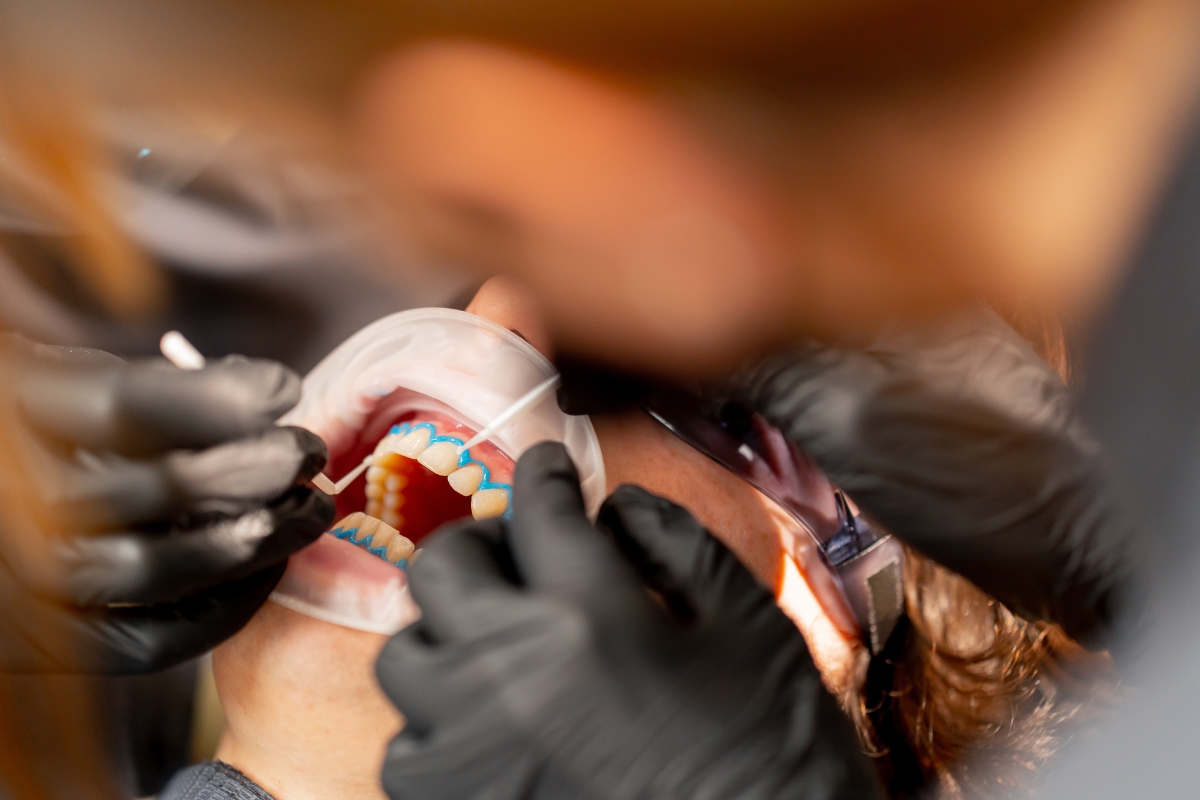
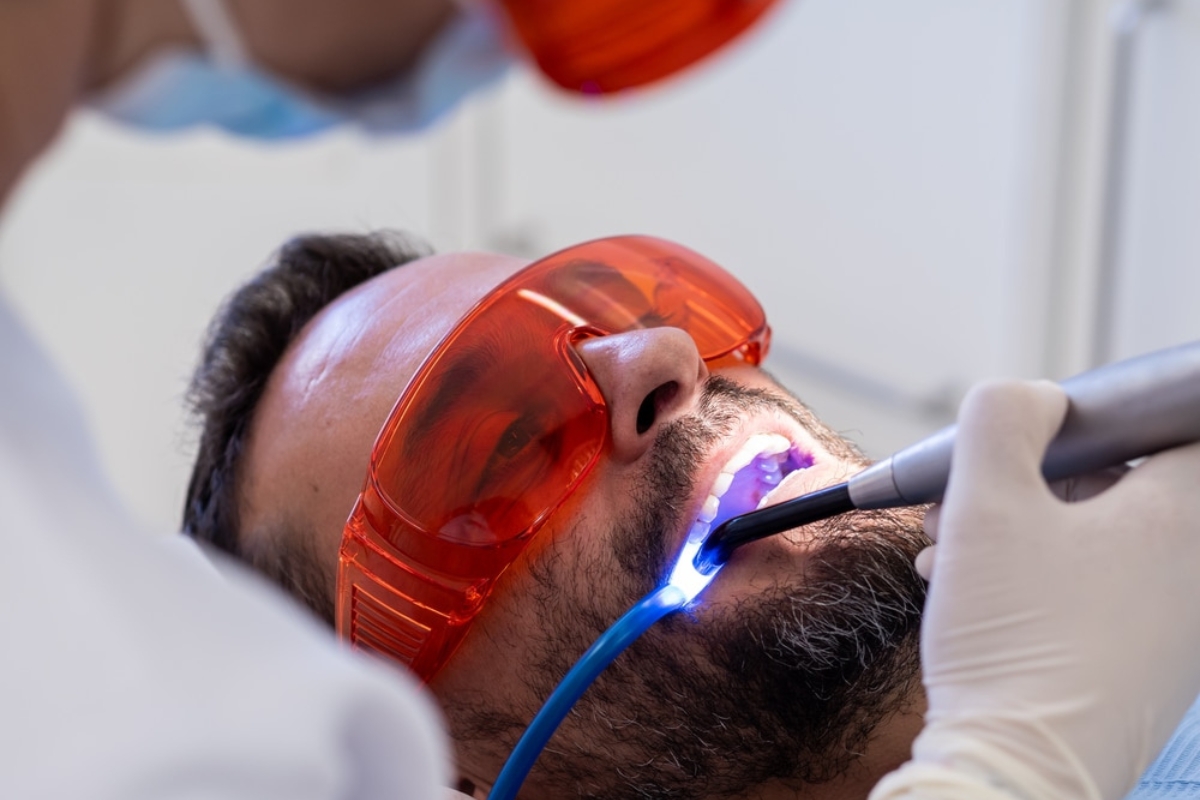
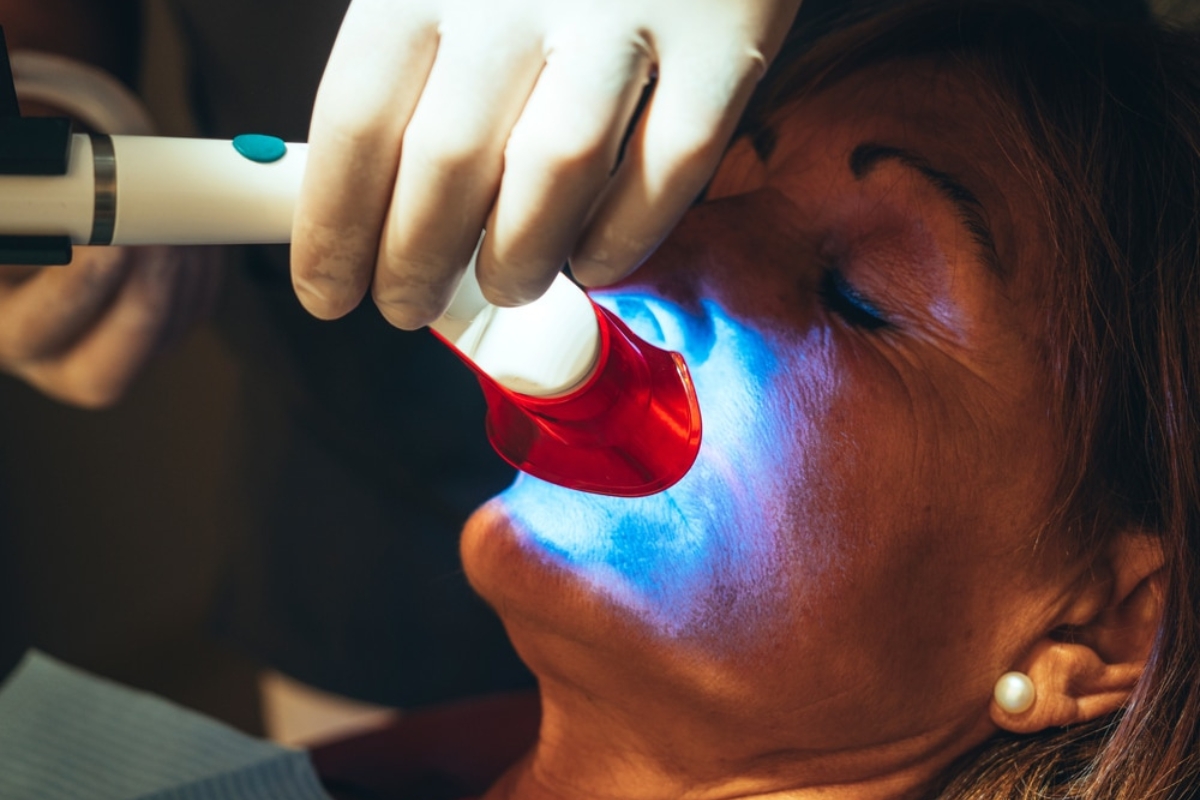
- In-Office Whitening: Professional, in-office whitening treatments are closely monitored, and your dentist can use desensitizing agents to minimize discomfort.
4. Practice Gentle Oral Care:
Avoid abrasive toothbrushes and aggressive brushing. Use a soft-bristle toothbrush and a gentle, circular brushing motion to protect your tooth enamel. Consider using a fluoride rinse to strengthen your teeth.
5. Stay Hydrated:
A dry mouth can contribute to tooth sensitivity. Staying well-hydrated can help maintain a healthy level of saliva, which naturally protects your teeth.
6. Limit Acidic and Sugary Foods:
Acidic and sugary foods can erode enamel and contribute to tooth sensitivity. Minimize your consumption of these items to protect your teeth.
7. Maintain Good Oral Hygiene:
Regular oral hygiene, including brushing and flossing, is crucial for maintaining healthy teeth and preventing further sensitivity.
8. Gradual Whitening:
If you’re using an at-home whitening kit, consider a gradual whitening approach. Whiten your teeth for a shorter duration and less frequently to minimize sensitivity while still achieving results over time.
9. Post-Whitening Care:
After a teeth whitening treatment, maintain diligent oral care to prolong the results and prevent future sensitivity. Continue to use desensitizing toothpaste and follow your dentist’s recommendations.
10. Professional Supervision:
For those with sensitive teeth, seeking professional supervision is advisable. Dentists can provide customized whitening options and manage the process to minimize discomfort.
Conclusion:
Sensitive teeth don’t have to be a roadblock on your journey to a brighter smile. By understanding the causes of tooth sensitivity and following the tips outlined in this blog, you can achieve a whiter smile without discomfort. Remember, your dentist is your best resource for guidance on the most suitable teeth whitening solution for your specific needs. So, why choose between a dazzling smile and comfort when you can have both? Brighten your smile and keep it healthy, pain-free, and radiant.