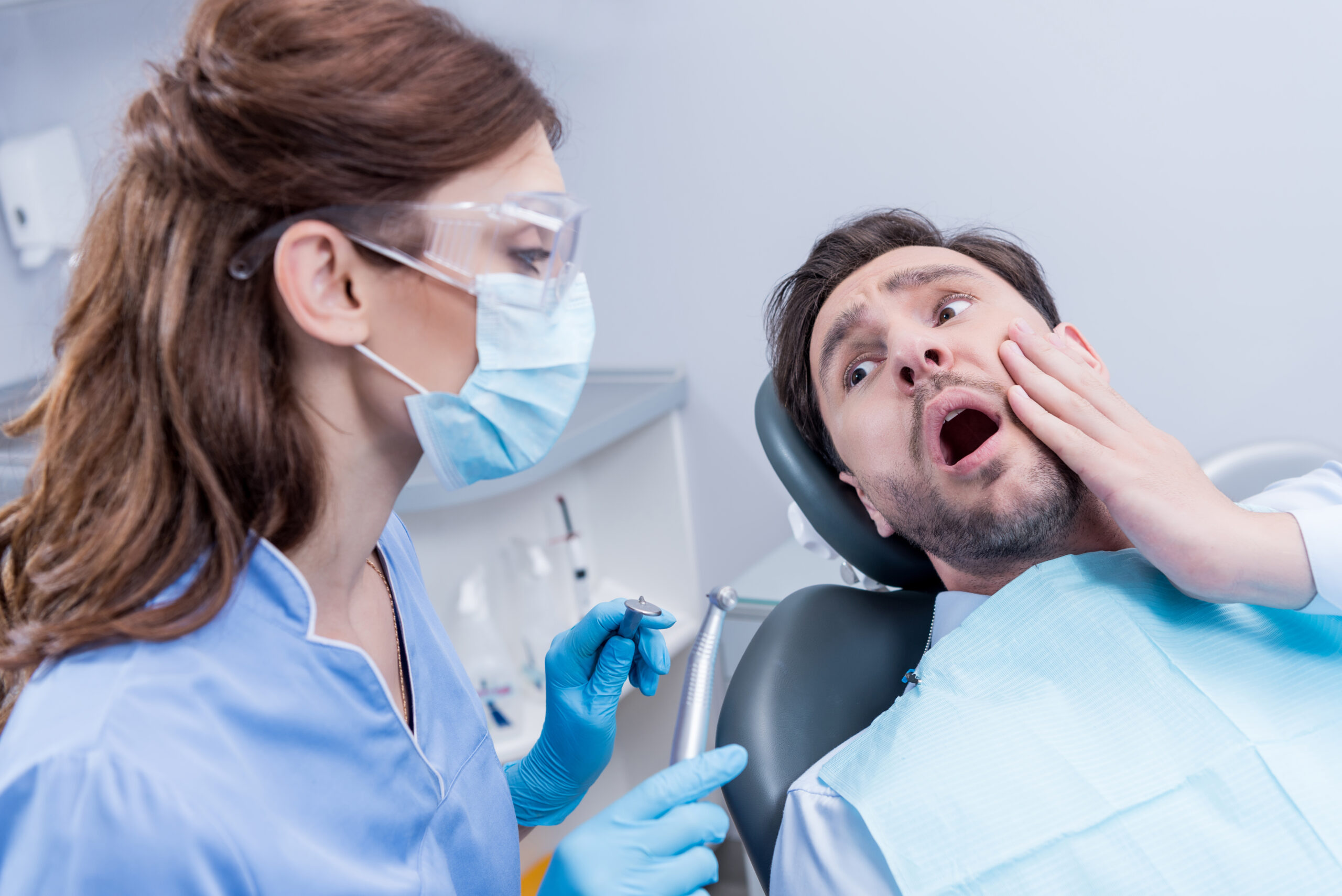
Dental health is essential to our overall well-being, and an abscessed tooth is a serious condition that requires immediate attention. Waiting too long to treat an abscess can lead to severe complications, from infections spreading to other parts of the body to the potential loss of the tooth. In this post, we’ll explain what an abscessed tooth is, why it’s dangerous to delay treatment, and what you can expect when seeking care.
What Is an Abscessed Tooth?
An abscessed tooth is an infection that forms in or around the tooth. This infection typically occurs when bacteria enter the tooth through a cavity, crack, or gum disease, spreading to the pulp, which consists of blood vessels, nerves, and connective tissue. As the infection worsens, pus forms, creating a pocket that swells and becomes painful.
There are two common types of dental abscesses:
- Periapical Abscess: This occurs at the tip of the tooth’s root, usually due to untreated cavities or trauma.
- Periodontal Abscess: This happens in the gums next to a tooth’s root and is often related to gum disease.
Signs and Symptoms of an Abscessed Tooth
An abscessed tooth can cause various symptoms, ranging from mild discomfort to severe pain. If you notice any of the following, it’s crucial to seek dental care right away:
- Severe, throbbing toothache that doesn’t go away
- Sensitivity to hot or cold temperatures
- Pain while chewing or biting
- Swollen gums that may appear red or puffy
- Bad taste in the mouth, often from leaking pus
- Fever or feeling generally unwell
- Swelling in your face, jaw, or neck
- Difficulty opening your mouth or swallowing
If left untreated, these symptoms can worsen, leading to more severe health issues.
Why You Shouldn’t Wait for Treatment
Delaying treatment for an abscessed tooth is not just uncomfortable—it can be dangerous. Here’s why you should never wait to seek professional dental care:
1. The Infection Can Spread
One of the biggest risks of not treating an abscessed tooth promptly is the infection spreading beyond the tooth. The bacteria can travel to other areas of the body, such as the jawbone, neck, or sinuses, and in extreme cases, lead to life-threatening conditions like sepsis. Sepsis is a serious blood infection that can cause organ failure and even death.
2. You Could Lose the Tooth
If an abscess is left untreated, the infection will continue to damage the tooth and surrounding tissue. This can result in the tooth becoming unsalvageable, leading to the need for extraction. In addition to losing your tooth, you may require more extensive treatments, such as dental implants or bridges, to restore your smile.
3. The Pain Will Only Get Worse
While the pain from an abscessed tooth can be excruciating, it can sometimes decrease as the infection spreads. This might make you think the issue is resolving independently, but the infection is simply progressing. The longer you wait, the more complicated and painful the situation can become.
4. Treatment May Become More Complex
Early intervention can often prevent the need for more invasive treatments. For example, a dentist may be able to drain the abscess and prescribe antibiotics in the early stages. However, if the infection worsens, you may require more intensive treatments like a root canal or even surgery.
How Is an Abscessed Tooth Treated?
The good news is that abscessed teeth can be treated effectively if caught in time. The exact course of treatment depends on the severity of the infection, but here’s what you can expect:
1. Drainage
In some cases, the dentist will need to drain the abscess by making a small incision in the gum. This allows the pus to be released and reduces pressure and pain.
2. Root Canal Treatment
A root canal is often the best option for saving an abscessed tooth. During this procedure, the dentist removes the infected pulp from inside the tooth, cleans and disinfects the area, and then fills and seals the tooth. A crown may be placed on top to restore the tooth’s function and appearance.
3. Tooth Extraction
If the tooth is too damaged to be saved, extraction may be necessary. After the tooth is removed, your dentist can discuss options for replacing it, such as implants or bridges, to restore your smile.
4. Antibiotics
In most cases, your dentist will prescribe antibiotics to help clear the infection. These medications may be taken alongside other treatments to ensure the infection doesn’t spread.
Preventing Abscessed Teeth
While dental abscesses can sometimes be unavoidable, good oral hygiene and regular dental visits are key to preventing them. Here are a few ways to reduce your risk of developing an abscess:
- Brush twice a day with fluoride toothpaste and floss daily
- Visit your dentist regularly for cleanings and check-ups
- Address cavities and gum disease early before they become serious
- Avoid using your teeth to open packages or chew on hard objects, which can cause cracks
Taking care of your teeth and gums can significantly lower your chances of developing a dental abscess or other oral health issues.
When to See a Dentist
If you suspect you have an abscessed tooth, don’t wait for the pain to get worse—seek treatment immediately. Even if the pain subsides, the infection can still be active and spread. Contact your dentist if you experience any of the symptoms mentioned above, or if you notice unusual swelling, drainage, or discomfort.
Final Thoughts
An abscessed tooth is more than just a painful inconvenience—it’s a serious health concern that requires prompt treatment. Ignoring the symptoms can lead to severe complications, including the loss of your tooth and the spread of infection. By taking swift action and visiting your dentist in Spring, you can prevent the situation from worsening and preserve your smile for years to come.