Flossing is essential for maintaining healthy gums and a bright smile. It removes plaque and food particles between teeth that brushing often misses. While brushing cleans the tooth surfaces, flossing reaches those tight spaces where bacteria hide, preventing cavities and gum issues. When done correctly, flossing keeps your gums healthy, reduces the risk of gingivitis, and promotes better oral health.
If you want to learn more about flossing effectively, seeking guidance from a knowledgeable dentist in Spring can make all the difference. This blog will explore flossing, available floss types, and expert tips for effective flossing. The comparison between traditional flossing and water flossing makes a big difference in maintaining regular dental care.
What Is Flossing?
Flossing is cleaning between teeth using a thin, flexible thread known as dental floss. By gently gliding floss between the teeth, you remove food particles and plaque in areas a toothbrush can’t reach. Flossing is a preventative measure that can significantly impact oral health by reducing the likelihood of plaque buildup.
Types of Floss
When it comes to flossing, there’s a wide range of products to choose from, each with unique benefits. Here are the types of floss:
Waxed Floss: Coated with a thin layer of wax, this floss slides easily between tight spaces.
Unwaxed Floss: This traditional floss is effective for those with more space between teeth but may shred more easily.
Dental Tape: Broader and flatter than standard floss, dental tape is ideal for individuals with wider gaps between teeth.
Floss Picks: Featuring a small handle, floss picks make flossing convenient and accessible, especially for people with limited dexterity.
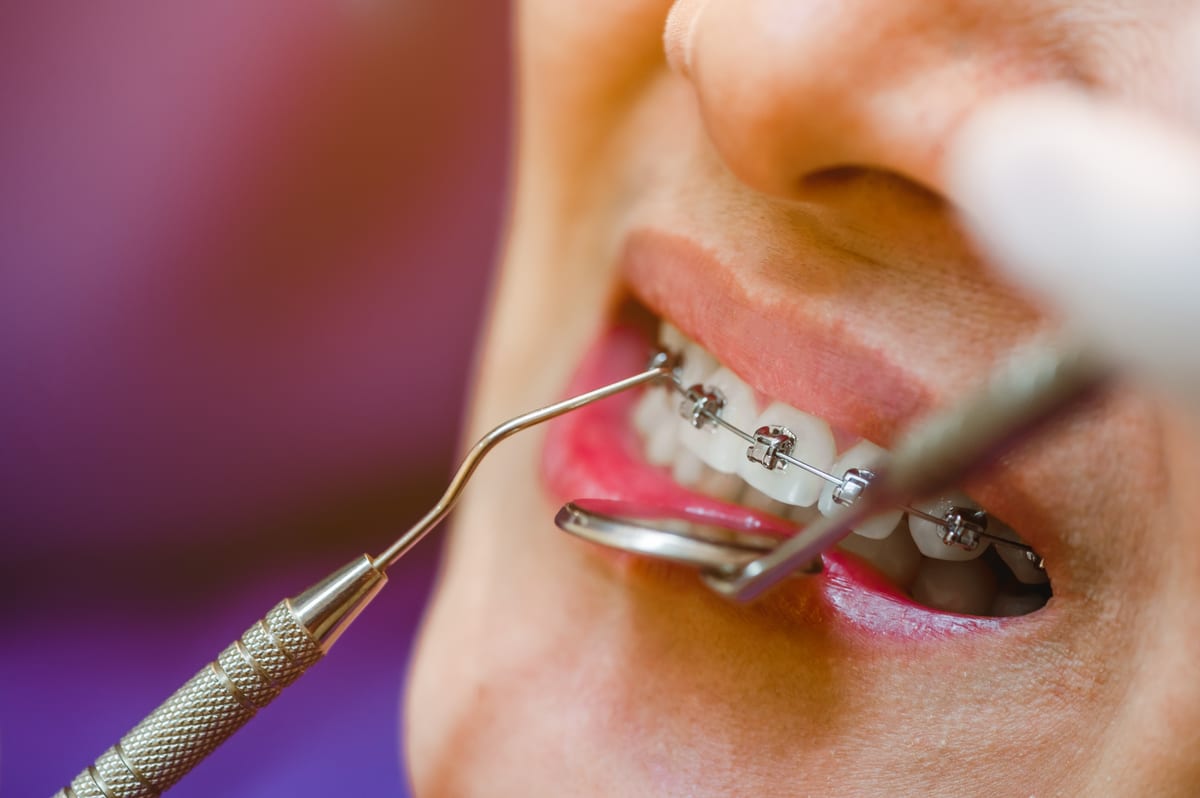
Super Floss: Designed for those with braces or bridges, super floss includes stiffened ends and a spongy center to clean dental appliances effectively.
Tips for Proper Flossing
Following proper techniques is critical to effective flossing. Here are some helpful tips to improve your flossing routine:
1. Use Enough Floss
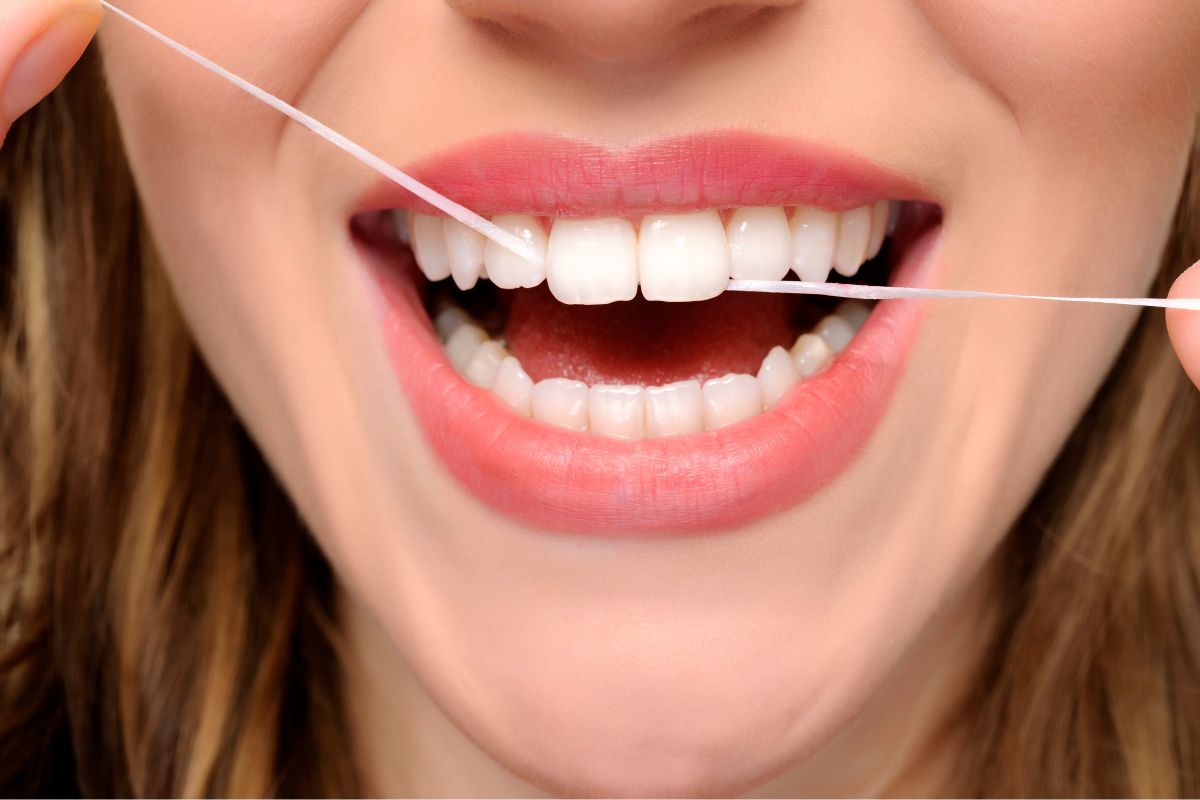
Cut a piece of floss around 18 inches long to allow enough length to use a clean section between each tooth. Wrap it around your middle fingers, leaving a few inches for maneuvering.
2. Slide the Floss, Don’t Snap It
Gently slide the floss between your teeth instead of snapping, which can harm your gums. Guide it to the gumline, forming a “C” shape to reach the sides of each tooth.
3. Be Gentle on Your Gums
Avoid applying excessive pressure, which can irritate. Flossing should feel like a gentle massage for your gums, not an aggressive scrub.
4. Use a Fresh Section for Each Tooth
Rotate the floss to a new section between each tooth. This prevents the spread of plaque and bacteria, promoting a cleaner and healthier mouth.
5. Don’t Forget the Backs of Your Teeth
Remember to floss behind your back molars. If neglected, these areas often accumulate plaque and can lead to decay.
Traditional Flossing vs Water Flossing
Traditional flossing and water flossing are the two primary techniques used when cleaning between teeth. Each has its pros and cons:
Traditional flossing
Traditional flossing involves manually moving a thin string of floss between each tooth. It effectively removes plaque but can be challenging for people with braces or tightly spaced teeth. This technique requires good skill and regular practice to master.
Water flossing
Water flossing uses a handheld device to direct water between teeth. It’s ideal for those with braces or sensitive gums. Although it may not remove plaque as thoroughly as traditional floss, water flossing is a gentle and easy-to-use alternative for cleaning between teeth.
Deciding between traditional and water flossing often depends on personal preference and specific dental needs. When done correctly, both methods can effectively promote oral health.
The Importance of Routine Dental Care Visits
Proper flossing is essential, but it’s only one part of maintaining optimal oral health. Routine dental care, combined with professional cleanings, strengthens your smile and prevents long-term dental issues. Here’s why regular visits are essential:
Preventive Care: Regular check-ups help detect issues like cavities, gum disease, and oral infections early, making treatment easier and more effective.
Professional Cleanings: Dental cleanings remove plaque and tartar buildup that cannot be removed with at-home care alone. They also polish teeth, leaving you with a fresh, healthy smile.
Oral Health Monitoring: Dental visits help track changes in your oral health and ensure any concerns are addressed promptly, protecting your teeth and gums.
Personalized Advice: A dentist can provide personalized guidance on the best flossing techniques, brushing methods, and dental care practices tailored to your needs.
Flossing is a powerful tool in your oral care routine. It effectively removes debris and plaque that brushing can’t reach. Adopting the right technique and using floss can make all the difference in maintaining a healthy smile. Schedule an appointment with a dentist in Spring to keep your smile healthy and radiant.
Regular visits to reliable dental care are essential if you’re ready to improve your dental health. For personalized tips and professional advice, consider contacting Vibe Dentistry Spring.