
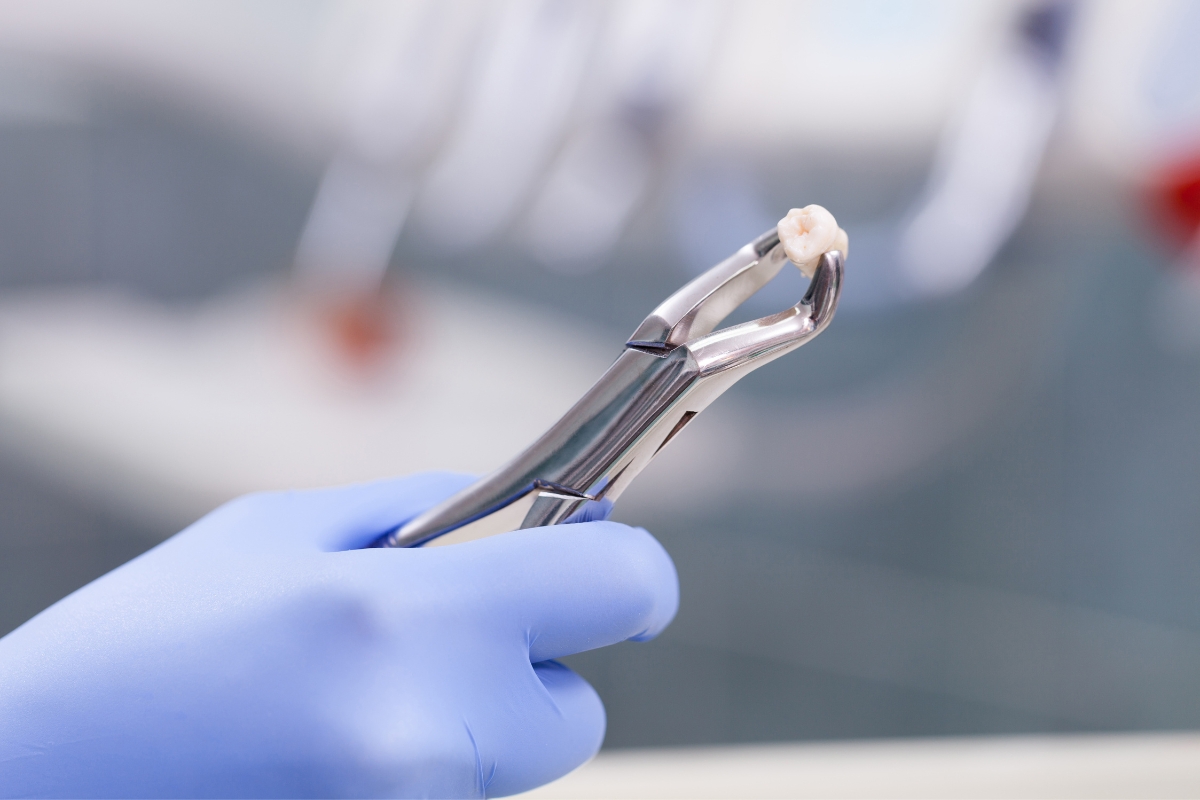
Tooth extraction is never the first choice for dentists, but in certain cases, removing a tooth is the best option to protect your overall oral health. When a tooth is severely damaged, infected, or causing problems for surrounding teeth, extraction can prevent further pain and complications. Understanding the warning signs can help you seek treatment promptly and avoid more serious dental issues.
Below are some of the most common symptoms that indicate you might need a tooth extraction and why you shouldn’t ignore them.
1. Severe and Persistent Tooth Pain
Toothaches can have many causes, from cavities to gum disease. However, if you experience intense, persistent pain that doesn’t respond to over-the-counter pain medication, it could be a sign of deep infection or damage. Sometimes, this level of pain means the tooth is beyond repair, and extraction is necessary to prevent the infection from spreading.
2. Advanced Tooth Decay
When cavities are caught early, they can often be treated with fillings or crowns. But if decay reaches the inner pulp and damages the tooth structure extensively, a Root Canal Treatment Spring may be attempted to save it. If the tooth cannot be restored due to structural weakness, extraction becomes the safest choice.
3. Gum Disease and Bone Loss
Periodontal (gum) disease can cause the gums to recede and the bone around the teeth to deteriorate. In advanced cases, the affected tooth may become loose or shift position. Once the supporting bone is significantly compromised, the tooth may not be salvageable and may need to be removed to maintain the health of surrounding teeth.
4. Overcrowding or Orthodontic Reasons
Sometimes, teeth are extracted to make room for orthodontic treatments, especially if the mouth is overcrowded. Removing one or more teeth can allow the remaining teeth to align properly and improve both appearance and function.
5. Impacted Wisdom Teeth
Wisdom teeth are among the most common teeth to be extracted. If they are impacted – meaning they fail to emerge fully from the gums – they can cause pain, swelling, and infection. They may also push against other teeth, causing alignment issues. Extraction prevents these complications.
6. Severe Tooth Infection
A tooth infection can spread quickly, leading to swelling in the jaw, neck, and even face. In extreme cases, it can affect your overall health. While antibiotics can help, sometimes extraction is the fastest way to remove the source of infection and promote healing.
7. Dental Trauma
If a tooth is broken or cracked due to an accident, a dentist will try to save it with crowns, bonding, or other restorative methods. However, if the damage extends below the gum line or the tooth structure is too weak, removal might be the only viable option.
Why You Shouldn’t Delay Tooth Extraction
Delaying treatment when a tooth needs to be removed can lead to more serious health issues. Untreated infections can spread to other teeth and even enter the bloodstream, leading to systemic health problems. Additionally, prolonged pain and swelling can affect your daily life, making it difficult to eat, sleep, or speak comfortably.
Finding the Right Dentist for Tooth Extraction
When searching for a dentist near me, choose one with experience in both routine and emergency extractions. A trusted provider will ensure the procedure is as painless as possible and will guide you through the recovery process.
If you’re looking for a reliable dental office in Spring that offers comprehensive care, from emergency treatments to restorative solutions, make sure to choose one that can provide personalized recommendations for your situation.
Taking the Next Step
If you’re experiencing any of the symptoms discussed – especially severe pain, swelling, or visible damage – it’s important not to wait. Ignoring the problem could lead to more complicated and costly treatments later. The safest approach is to book an appointment as soon as possible and get a professional evaluation.
While tooth extraction may sound intimidating, it’s often the best step toward protecting your dental health and preventing further problems. With modern techniques and anesthesia, the procedure is safe, efficient, and relatively comfortable. If you notice persistent pain, infection, or other warning signs, don’t hesitate to seek help from a qualified dental professional. Early intervention can make all the difference in preserving your smile and your overall health.