
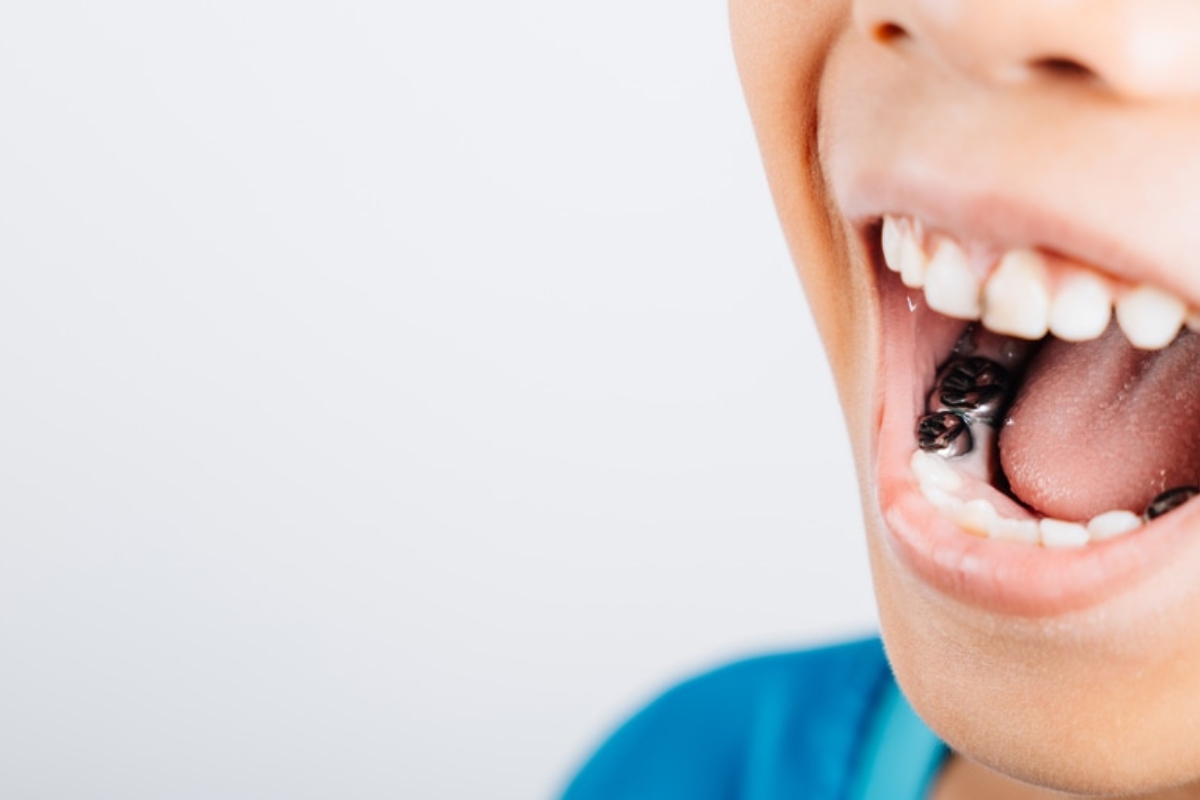
Preventive dental care is the foundation of a healthy smile. It includes everything from brushing and flossing at home to routine checkups and professional cleanings. One highly effective, yet often overlooked, part of preventive dentistry is dental sealants. These thin, protective coatings play a key role in reducing the risk of tooth decay, especially in children and teens, but adults can benefit from them, too. Here’s how these “molar shields” fit into a strong preventive oral care routine.
What Are Dental Sealants?
Dental sealants are thin, plastic-like layers painted onto the chewing surfaces of the back teeth, primarily the molars and premolars. These teeth are characterized by deep pits and grooves that can easily trap food particles and bacteria, making them highly susceptible to cavities. A dental sealant forms a protective layer over these areas, effectively sealing off plaque, food particles, and acid that can cause decay.
The Significance of Sealants in Preventive Care
One of the most prevalent chronic conditions, especially among young people, is tooth decay (cavities). Even with diligent oral habits like regular brushing and flossing, people often overlook the back teeth, as it can be difficult to reach into their crevices. Sealants provide crucial additional protection in these conditions. According to the Centers for Disease Control and Prevention (CDC), up to 80% of molar cavities can be avoided with these enamel protectants.
While sealants do not replace your regular oral hygiene routine, they do offer an extra line of defense, particularly during the years when children and teenagers are still learning how to brush and floss properly.
Who Are the Ideal Candidates for Dental Sealants?
Sealants are most commonly recommended for children and teenagers, but adults with healthy teeth are also suitable candidates to receive these chewing surface protectors. Here’s a closer look at who may need them:
Children Ages 6 to 14
This is the most cavity-prone age group. Preventive coatings are usually applied shortly after the permanent molars erupt—first molars around age 6, and second molars around age 12. Sealing these teeth early helps protect them during their most vulnerable years.
Younger Children (As Young As Age 5)
In some cases, dentists recommend dental coatings for baby molars in children with a high risk of decay. Although these teeth are meant to fall out eventually, keeping them healthy is essential for proper spacing and jaw development.
Teenagers and Adults Without Fillings or Decay
Regardless of age, you are an ideal candidate for this treatment if your molars are still intact and cavity-free. Adults who are at a higher risk of decay due to deep grooves, dry mouth, or a history of frequent cavities can specifically reap the benefits from this advanced procedure.
Ultimately, a dentist in Spring will assess individual risk factors and determine whether it is an adequate preventive option for you, your loved ones, or your children.
Dental sealants are a proven, effective way to prevent tooth decay, especially in hard-to-reach areas of your back teeth. When used alongside daily brushing, flossing, fluoride treatments, and regular dental checkups, they offer valuable long-term protection. If you or your child is cavity-prone or want to take extra steps toward maintaining a healthy smile, talk to our dentist at Vibe Dentistry, Spring, about incorporating sealants into your preventive care plan. Call now for an appointment today.