Chewing problems are a common concern for people with missing or damaged teeth. When teeth are lost, the balance of your bite can change, making it difficult to eat properly, speak clearly, and maintain jaw comfort. Dentures and dental bridges are two of the most reliable tooth replacement options that help restore normal chewing function. These solutions are designed to improve bite alignment, replace missing teeth, and support overall oral health while enhancing daily comfort.
For many patients, choosing Dentures in Spring can be a life-changing step toward better chewing performance and improved quality of life. These restorations are custom-designed to match your mouth structure, allowing for smoother biting, better control when chewing, and improved stability compared to leaving gaps untreated.
How Dentures Help Fix Chewing Problems
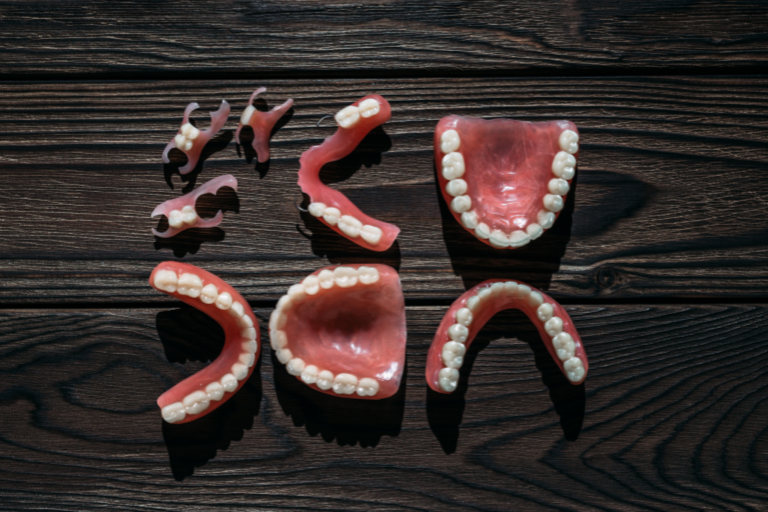
Dentures are removable appliances that replace missing teeth and surrounding tissues. They restore the ability to chew by evenly distributing pressure across the gums and jaw.
Key benefits of dentures for chewing:
- Restore bite strength and balance
- Improve ability to chew both soft and moderately firm foods
- Reduce strain on jaw muscles
- Support facial shape and prevent sunken appearance
- Help improve speech clarity
Modern dentures are designed for comfort and function, helping patients enjoy meals again without constant discomfort.
How Dental Bridges Improve Chewing Efficiency
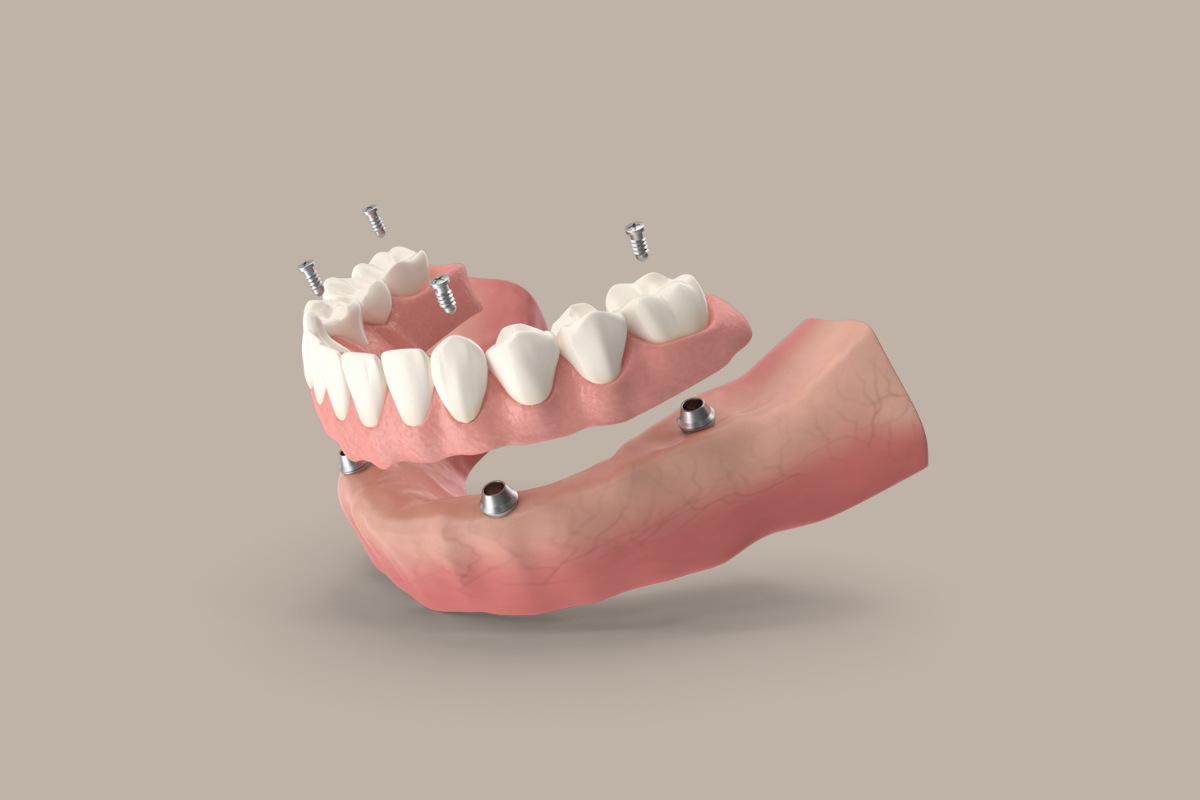
Dental bridges are fixed restorations that “bridge” the gap between missing teeth. They are anchored to natural teeth or implants and provide strong, stable biting surfaces.
Advantages of bridges for chewing:
- Fixed in place for better stability
- Strong support for biting and grinding
- Improved confidence while eating in public
- Prevent shifting of remaining teeth
- Help maintain proper jaw alignment
Because bridges do not move, they feel more like natural teeth and provide strong performance during chewing.
Common Chewing Problems Solved by Dentures and Bridges
Both solutions are effective for treating a wide range of chewing-related issues, including:
- Difficulty biting into firm foods
- Jaw soreness after meals
- Uneven bite pressure
- Food getting trapped in gaps
- Clicking or popping sounds in the jaw
- Gum irritation from missing teeth spaces
Addressing these problems early can prevent further oral health complications.
Dentures vs Bridges: Which Is Better for Chewing?
The best option depends on your oral condition and lifestyle needs.
Dentures may be ideal if:
- You are missing multiple or all teeth
- You prefer a removable option
- You want a more cost-effective solution
Bridges may be ideal if:
- You are missing one or a few adjacent teeth
- You want a fixed, non-removable option
- You prefer something that feels close to natural teeth
A professional evaluation helps determine the most suitable solution for your chewing needs.
Tips to Improve Chewing With Dentures or Bridges
To get the best results from your restorations, follow these tips:
- Start with soft foods and gradually introduce firmer options
- Cut food into smaller, manageable pieces
- Chew slowly and evenly on both sides of the mouth
- Maintain regular oral hygiene
- Avoid extremely sticky or hard foods
- Visit your dentist regularly for adjustments
These steps help maximize comfort and long-term performance.
Proper care and professional maintenance ensure that your restorations continue to function effectively for years.
In the long term, choosing Dentures in Spring can significantly reduce chewing discomfort and help restore natural eating habits. With the right fit and ongoing care, dentures and bridges allow you to enjoy a healthier, more balanced bite and improved daily confidence.
Final Thoughts
Dentures and dental bridges are trusted solutions for fixing chewing problems caused by missing or damaged teeth. They restore function, improve comfort, and protect your remaining oral structures. If you are struggling with chewing discomfort or uneven bite pressure, professional care can help you find lasting relief.
At Vibe Dentistry Spring, we provide personalized care and high-quality solutions to restore your bite and comfort. Our experienced team specializes in advanced tooth replacement options designed to meet your unique needs. Schedule an appointment today to explore your best options for improved chewing and long-term oral health.
FAQs
Can dentures really help improve chewing ability?
Yes, modern dentures are designed to restore bite balance and improve chewing efficiency by evenly distributing pressure across the gums and jaw.
Do dental bridges make it easier to eat hard foods?
Dental bridges provide strong, fixed support that helps you chew firmer foods more comfortably compared to gaps from missing teeth.
Can dentures and bridges reduce jaw pain while eating?
Yes, these restorations help balance bite force, which can reduce jaw strain and discomfort during chewing.
Can I chew normally again after getting dentures or a bridge?
Yes, most patients regain near-normal chewing function once they adapt and follow recommended care guidelines.
What foods should I avoid with new dentures or bridges?
It’s best to avoid very sticky, chewy, or extremely hard foods during the adjustment period and eat softer foods initially.
When should I see a dentist about chewing problems?
You should visit a dentist if you experience pain, uneven bite, difficulty chewing, or frequent food trapping, as early treatment prevents complications.