Most dental problems don’t show up overnight. They start quietly, maybe as a little sensitivity when sipping hot coffee, or a sharp twinge when chewing on one side. In a busy place like Spring, TX, where life moves fast between work, school pickups, and weekend plans, it’s easy to brush these signs off. But ignoring early symptoms can turn a manageable issue into a more complex dental problem.
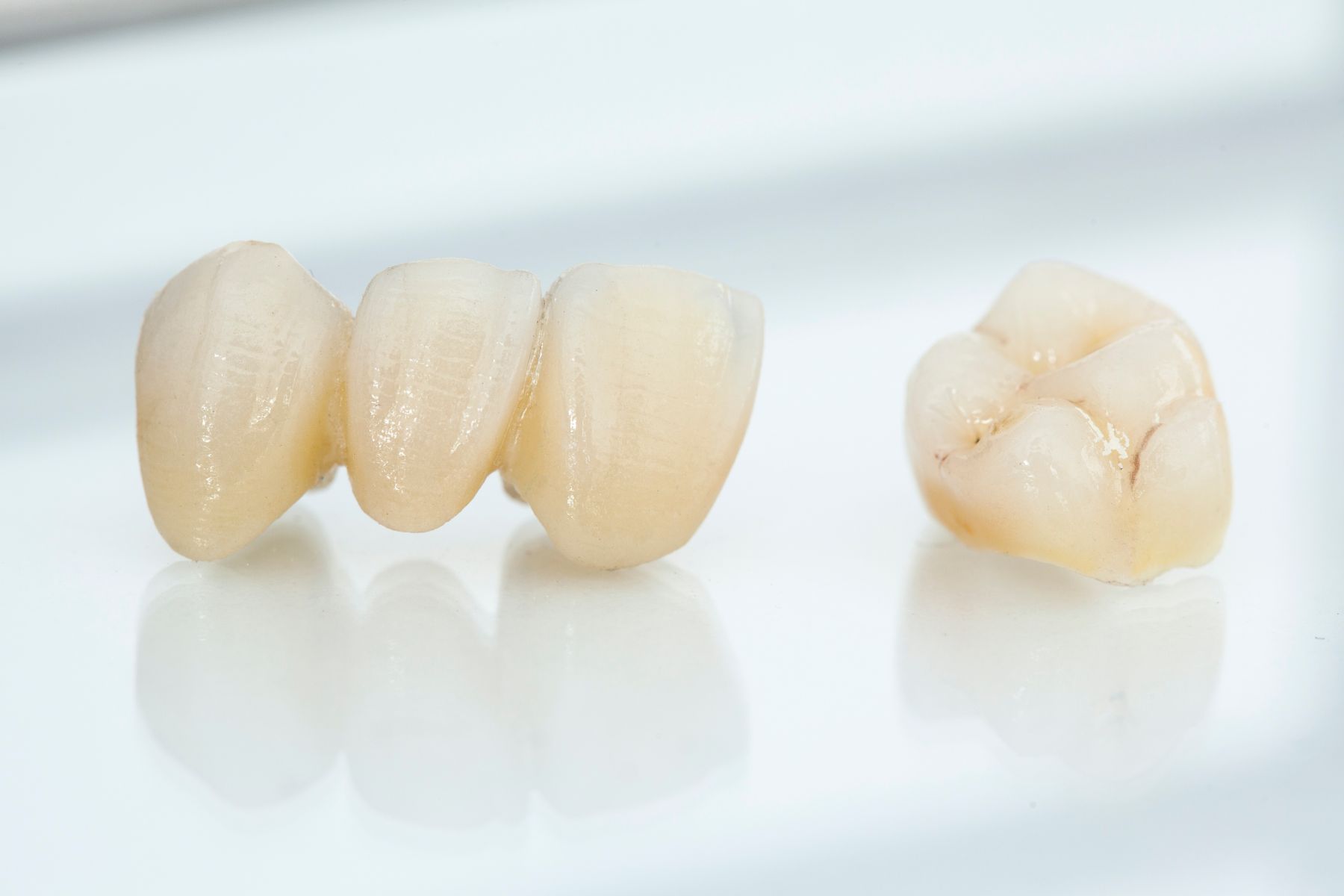
A dental crown is often recommended to protect a weakened tooth, restore function, and prevent further damage. The key is recognizing when your tooth is asking for help. Below are some early warning signs that may mean it’s time to see your dentist before things escalate.
1. Persistent Tooth Sensitivity That Doesn’t Go Away
Occasional sensitivity can be normal. But if your tooth reacts sharply to hot, cold, or sweet foods and the feeling lingers it could mean the tooth structure is compromised. Cracks, worn enamel, or deep decay often expose sensitive layers of the tooth, making a crown a protective solution rather than just a cosmetic fix.
2. A Tooth That’s Cracked, Chipped, or Worn Down
Teeth don’t always crack from accidents. Grinding your teeth at night, chewing ice, or even years of normal wear can weaken enamel. Small cracks may not be visible, but they can spread over time. A crown covers the entire tooth, holding it together and preventing fractures from getting worse.
3. Pain or Discomfort When Chewing
If chewing feels uncomfortable or painful on one side of your mouth, that’s your body signaling a problem. This symptom often points to structural weakness, a failing filling, or hidden damage. Many patients in Spring experience this after years of dental work or untreated wear.
This is often when dentists begin discussing options like a Dental Crown in Spring, especially if the tooth still has a healthy root and can be preserved.
4. A Large or Failing Filling
Fillings don’t last forever. Over time, they can loosen, crack, or allow bacteria to seep underneath. When a filling takes up most of the tooth, there may not be enough natural structure left to support another filling. In these cases, a crown offers long-term strength and stability.
5. Discoloration or Darkening of a Tooth
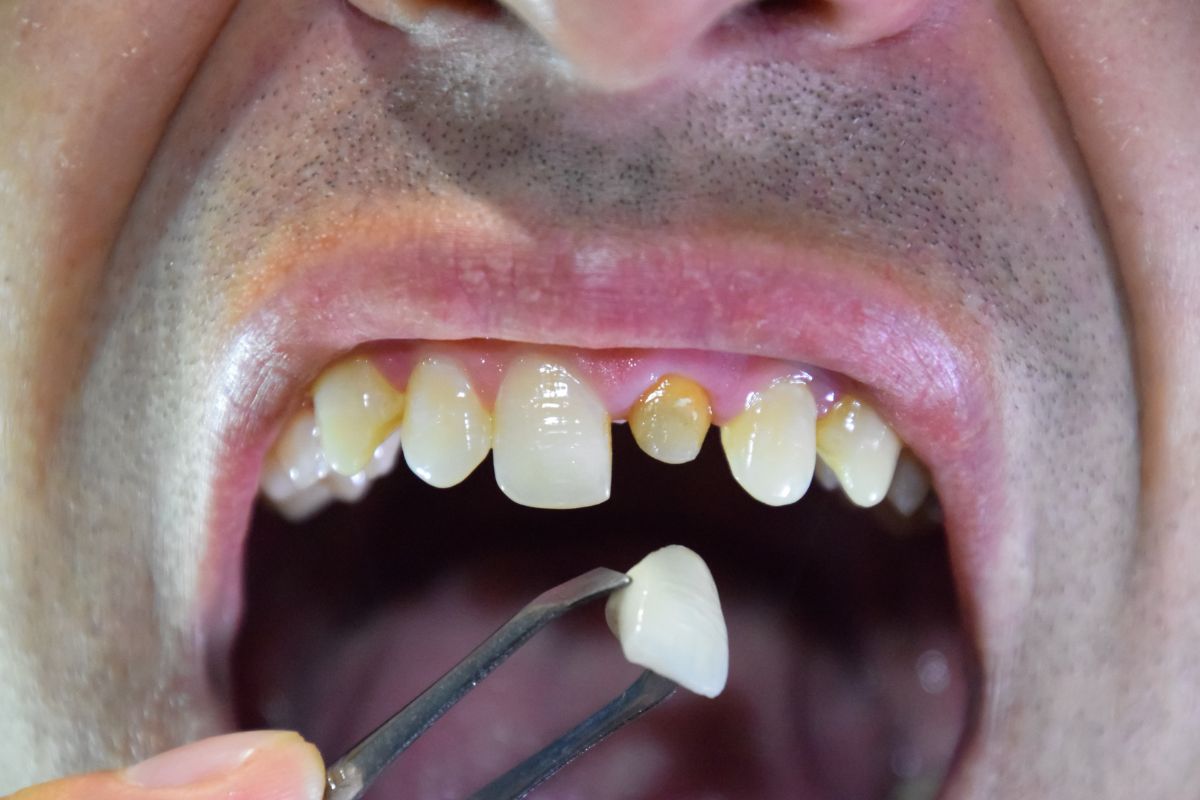
A tooth that appears darker than the surrounding teeth may be a sign of internal damage or previous trauma. Even if there’s no pain, the tooth may be weaker than it looks. A crown can restore both appearance and function, blending naturally with your smile.
6. After a Root Canal Treatment
Root canal therapy removes infection but also leaves the tooth more fragile. Without reinforcement, the tooth can fracture easily. Dentists commonly recommend placing a crown soon after treatment to protect the tooth from everyday biting forces.
Patients often explore a Dental Crown in Spring at this stage to ensure the tooth lasts for many years without complications.
7. Gum Irritation Around One Specific Tooth
If your gums are consistently inflamed around a single tooth, it could indicate decay below the gum line or a cracked tooth edge irritating the tissue. Addressing the tooth with a crown can help restore proper contours and improve gum health.
8. A Tooth That Feels Weak or “Hollow”
Some patients describe a tooth as feeling thin, unstable, or hollow when chewing. This sensation often comes from internal damage or enamel loss. A crown reinforces the tooth, restoring confidence while eating and speaking.
Why Acting Early Matters
Delaying treatment can turn a simple crown recommendation into a more invasive procedure later. Early care often means:
- Preserving your natural tooth
- Avoiding extra pain or emergency visits
- Saving time and long-term costs
Choosing timely care like a Dental Crown in Spring allows patients to maintain oral health while fitting treatment into busy local lifestyles.
Local Insight: Why Spring Residents Often Delay Care
Between school schedules in Klein ISD, commuting along I-45, and family obligations, many Spring residents delay dental visits until discomfort becomes unavoidable. Preventive care and early intervention can make treatment smoother and more affordable—without disrupting your routine.
Quick Signs Checklist
You may need a crown if you notice:
- Ongoing sensitivity
- Pain when chewing
- A cracked or worn tooth
- A large or failing filling
- Tooth discoloration
- Recent root canal treatment
If one or more apply, it’s time to get professional advice.
Ready to Protect Your Smile?
Dental issues rarely fix themselves but catching them early makes all the difference. If you’re noticing warning signs, professional guidance can help you choose the best solution for your long-term oral health.
At Vibe Dentistry Spring, our team focuses on preserving natural teeth, restoring comfort, and helping Spring families smile with confidence. Schedule your appointment today and take the next step toward a healthier, stronger smile.
FAQs
Does Getting A Dental Crown Hurt?
Most patients experience minimal discomfort. Modern techniques and local anesthesia make the process smooth and manageable.
How Long Does A Dental Crown Last?
With proper care, crowns can last 10–15 years or longer.
Can I Eat Normally After Getting A Crown?
Yes. Once placed, crowns function like natural teeth, allowing you to eat comfortably.
Is A Crown Better Than A Filling?
When a tooth is significantly weakened, a crown provides more protection than a filling.