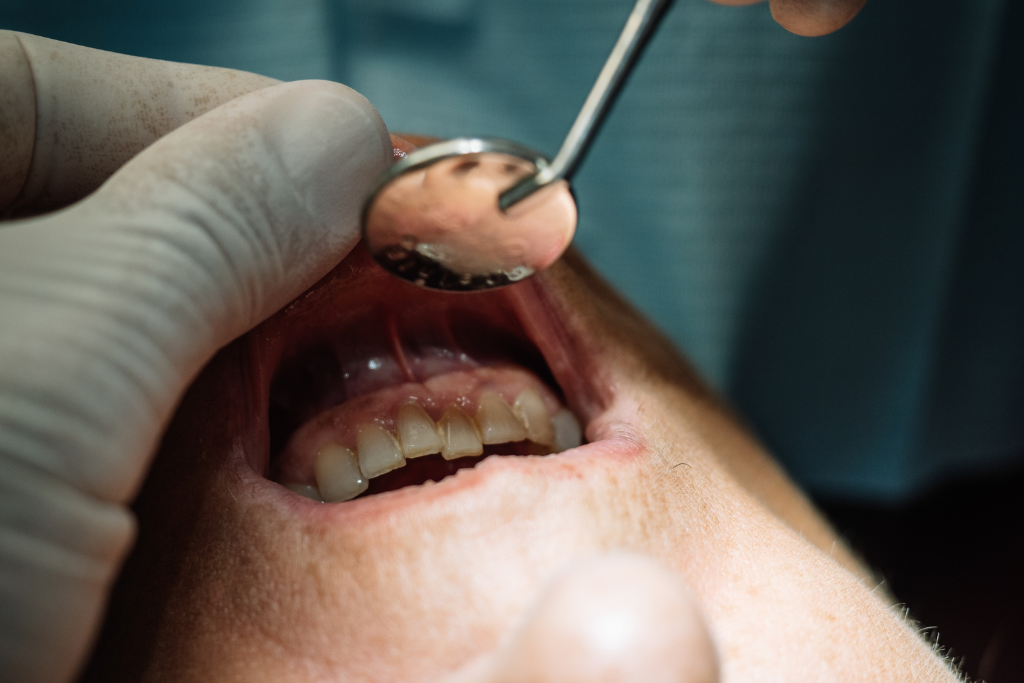
If you’ve noticed that your gum tissue looks puffy, red, or tender around just one tooth and not the rest of your mouth you’re not alone. This is one of the most common concerns we hear from patients across Spring and the greater Houston area. And while it can be easy to shrug off as minor irritation, swelling localized to a single tooth is almost always your body’s way of signaling that something underneath the surface needs attention.
Here’s what you need to know from the most likely causes to the treatment options available at your local Spring Dentist.
Seeing a dentist early makes all the difference. What starts as mild puffiness around a single tooth can progress into a serious infection if ignored. The good news is that most causes are very treatable especially when caught before they have a chance to spread.
Why Is the Swelling Only Around One Tooth?
Unlike generalized gum disease, which tends to affect multiple teeth and develop gradually, swelling around a single tooth usually points to a more specific and often treatable problem. The key is figuring out what’s driving it.
Tooth Abscess or Infection is one of the most urgent causes. When bacteria invade the pulp (the inner tissue of a tooth), the resulting infection can spread to the surrounding gum and bone. You might notice throbbing pain, sensitivity to hot or cold, or even a small pimple-like bump on the gum called a fistula that drains pus. This is a dental emergency and needs to be addressed right away. Left untreated, a tooth abscess can spread to the jaw, neck, and even beyond.
Gum Disease (Localized Periodontitis) can also affect just one area of your mouth, especially if plaque and tartar have built up around a specific tooth. Over time, that buildup causes the gum to pull away from the tooth, creating a pocket where bacteria thrive. The swelling you see is your immune system fighting back.
Trapped Food or Foreign Objects are a surprisingly frequent culprit. A popcorn hull, a piece of hard shell, or even a small fragment of a broken restoration can wedge deep beneath the gumline and trigger a localized inflammatory response. This one is often overlooked because the discomfort may come and go.
Erupting Wisdom Teeth create swollen gum tissue around the back of the mouth as the tooth pushes through. This condition called pericoronitis can become infected if food and bacteria get trapped under the flap of gum covering the partially emerged tooth.
A Cracked or Damaged Tooth can also cause isolated gum swelling. When a crack extends below the gumline, bacteria can enter and cause inflammation that looks and feels a lot like gum disease, but is actually structural in nature.
Treatment Options: What to Expect
Treatment depends almost entirely on the underlying cause, which is why a proper clinical evaluation matters so much. Here’s a general overview of how different scenarios are managed.
For infections and abscesses, treatment typically involves draining the abscess, a course of antibiotics, and either a root canal procedure to save the tooth or an extraction if the damage is too severe. Root canals, contrary to popular belief, are not painful — they relieve the pain caused by the infection.
For localized gum disease, a deep cleaning procedure called scaling and root planing is usually the first-line treatment. This removes tartar deposits from below the gumline and helps the gum tissue heal and reattach to the tooth’s root surface.
For trapped debris, the dentist can gently remove the object and clean the area. In some cases, a course of medicated rinse is recommended to calm inflammation and prevent secondary infection.
For pericoronitis (wisdom tooth-related swelling), management ranges from irrigation and antibiotics in mild cases to extraction of the wisdom tooth when the problem is recurrent or severe.
For cracked teeth, treatment options range from a crown to protect and stabilize the tooth, to extraction and replacement with an implant if the crack extends too deep to restore.
In all of these cases, early intervention leads to better outcomes and lower overall treatment costs.
What You Can Do at Home (While You Wait for Your Appointment)
Home remedies won’t resolve the underlying cause, but they can help manage discomfort in the short term. Rinsing with warm salt water two to three times a day helps reduce bacterial load and soothe inflamed tissue. Over-the-counter ibuprofen can ease pain and reduce swelling, provided you have no contraindications. Avoid poking or pressing on the swollen area, and stay away from very hot, cold, or hard foods that might aggravate the tooth.
One thing to avoid: do not apply aspirin directly to the gum. It’s an old home remedy that can actually cause a chemical burn on the soft tissue.
That said, home care has its limits. Stop waiting and call your dentist immediately if you notice any of the following:
- Swelling that’s getting worse, not better, after 48 hours
- A fever, even a mild one
- Pain that spreads to your jaw, ear, or neck
- A persistent bad taste in your mouth that won’t go away
- Visible pus or a bump on the gum that seems to drain
These are your body’s red flags and they’re worth taking seriously.
Life in Spring, TX – And Why Oral Health Matters Here
Spring is a vibrant, fast-growing community just north of Houston, and many of our patients lead genuinely active lives weekend trips to Old Town Spring, outdoor brunches at the Farmers Market, or afternoons at Mercer Arboretum. When a toothache or swollen gum sidelines you from everyday life, it affects more than your mouth. Oral health is deeply tied to your energy, sleep quality, and overall confidence.
The summer heat in Southeast Texas is no joke either; dehydration can reduce saliva production, which increases your risk of bacterial buildup and gum inflammation. Staying hydrated is genuinely one of the simplest things you can do for your gums year-round.
When to See a Dentist – Don’t Wait on This One
Swollen gums around a single tooth rarely resolve on their own. If you’ve had swelling for more than two or three days, are experiencing pain, fever, or difficulty swallowing, or notice any discharge from the gum seek care immediately. These are signs that an infection may be spreading.
As your trusted Spring Dentist, Vibe Dentistry Spring sees these cases regularly and can usually get you in quickly for an evaluation. The sooner you’re seen, the more treatment options are typically available to save your tooth.
Ready to Feel Better? Visit Vibe Dentistry in Spring, TX
At Vibe Dentistry Spring, our team led by Dr. Tanya Rachan is here to help you get out of pain and back to your regular routine as quickly as possible. Whether you’re dealing with an urgent swollen gum or a long-overdue checkup, our modern Spring, TX practice offers compassionate, personalized care in a welcoming environment.
Don’t let swollen gum become a bigger problem. Your Spring Dentist is ready to help.
You’ve already taken the first step by learning what’s going on now let’s fix it together. Schedule an appointment today and let the Vibe Dentistry team give you something to smile about.
Your smile is worth protecting – and we’re here to help you do exactly that.
FAQs
Can Swollen Gums Around One Tooth Go Away On Their Own?
Rarely. If trapped food is the culprit, a good rinse might help. But if the swelling sticks around for the past two or three days, something deeper is going on and that needs a dentist, not wishful thinking.
How Is A Localized Gum Infection Treated?
It depends on the cause could be a deep cleaning, antibiotics, abscess drainage, or a root canal. Your dentist figures out the “why” first, then the treatment follows. It’s simpler than it sounds.
Can It Be A Sign Of Something Serious?
An untreated abscess can spread to the jawbone, the neck, even the bloodstream. It’s not common, but it happens. That’s exactly why “I’ll just see how it goes” isn’t a great strategy here.
How Do I Stop This From Happening Again?
Brush twice, floss daily, and don’t skip your cleanings. Small problems, a loose crown, a tiny crack become big ones fast when left alone. Stay ahead of it and your gums will thank you.