Cosmetic dental bonding has become one of the most popular smile-enhancing treatments in Spring, TX, and for good reason. It is fast, affordable, and can transform chipped, discolored, or uneven teeth without the wait or cost associated with porcelain veneers. But bonding isn’t indestructible. When patients come to us with failed or damaged composite resin, there are usually clear reasons why.
Understanding what causes bonding to break down helps you get the most out of your treatment and avoid a frustrating return trip to the dentist sooner than you’d like.
If you are researching cosmetic bonding in Spring or trying to figure out why your previous restoration didn’t last, this guide will give you honest, practical answers. The treatment uses a tooth-colored composite resin applied directly to the tooth surface and hardened with a curing light. It is as much an art as a science, and its longevity depends on both the skill of the provider and the daily habits of the patient. Just like natural teeth, bonded teeth experience daily wear and tear. The good news is that many common bonding failures are completely preventable once you understand what puts your restorations at risk.
The Most Common Reasons Bonding Fails
- Biting on Hard Objects: This is one of the leading causes of bonding fractures. Chewing on ice, hard candies, fingernails, pen caps, or crusty bread puts immense localized pressure on the resin. A single bad bite can easily crack or chip a bonded edge.
- Teeth Grinding (Bruxism): Many patients do not realize they grind their teeth at night, but this repetitive pressure wears down bonding far faster than normal chewing. If you wake up with jaw soreness or your partner mentions grinding sounds, bring it up at your next visit.
- Poor Oral Hygiene: When plaque and bacteria accumulate around the bonded tooth, the margins where the composite meets the natural tooth can deteriorate. Bacteria can seep underneath the bond, leading to underlying decay that compromises the restoration from the inside out.
- Staining Agents: Coffee, red wine, tea, and cigarette smoke will gradually discolor composite resin. Unlike porcelain, composite is slightly porous. A bonded tooth that isn’t maintained will slowly start to look different from the surrounding natural teeth.
- Mouth Trauma: Even a minor sports injury, accidental fall, or impact can damage bonding. This is especially common when bonding is placed on the front teeth, which naturally absorb more force.
Signs Your Cosmetic Bonding May Be Failing
Catching warning signs early can help prevent more extensive repairs. Schedule a quick evaluation if you notice:
- Rough or uneven edges that were not there before.
- Visible chips or small, hairline cracks in the bonded area.
- Staining or yellowing that does not improve with a professional dental cleaning.
- Increased tooth sensitivity to hot or cold temperatures.
- A bonded tooth that feels physically different or “high” when you bite down.
How Long Should Bonding Last?
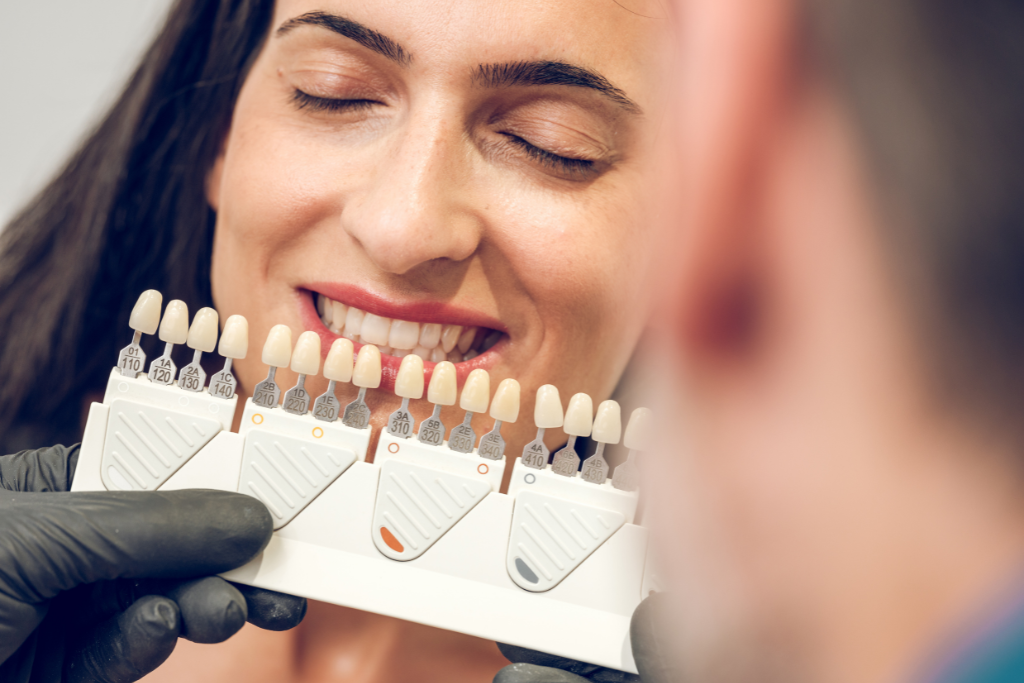
With proper care, high-quality cosmetic bonding can last anywhere from five to ten years—and sometimes longer. The placement technique matters enormously. Bonding that is etched, primed, and cured correctly will adhere far better than bonding that was rushed. At Vibe Dentistry, we take the time to precisely match the shade to your natural teeth and ensure optimal adhesion so your results hold up to daily life.
The location of the bonding also affects its lifespan. Bonding on the biting edges of front teeth experiences more wear and tear, whereas bonding placed in low-pressure areas can remain intact for many years with minimal maintenance.
Tips for Making Your Bonding Last
Protecting your aesthetic dental work doesn’t require major lifestyle changes, but a few simple habits make a significant difference:
- Stop the bad habits: Avoid biting your fingernails, chewing ice, or using your teeth as tools to open packages.
- Wear a nightguard: Protect your teeth from nighttime grinding and clenching.
- Use a sports guard: Wear a protective mouthguard during contact sports and recreational activities.
- Maintain excellent hygiene: Brush and floss consistently to prevent plaque buildup. Stay current with Routine Dental Care every six months so your dentist can check the integrity of the bond.
- Choose the right products: Use a soft-bristled toothbrush and avoid abrasive whitening toothpastes, which can scratch the composite resin. You can read more about safe daily oral hygiene through the American Dental Association guidelines.
If you notice the edge of your bonding feels rough or looks discolored, do not delay getting it evaluated. Small repairs are much simpler and less expensive than complete replacements.
Why Choosing the Right Cosmetic Dentist Matters
The success of your smile makeover begins long before the composite resin is placed. Proper case selection, careful tooth preparation, precise color matching, and expert technique all contribute to the final result. An experienced cosmetic dentist in Spring, TX understands how to sculpt bonding that looks entirely natural while ensuring it can withstand your everyday bite function.
If you are considering bonding for the first time, or if your current bonding is showing its age, the team at Vibe Dentistry is here to help. We will assess your teeth, discuss the most suitable options from our Cosmetic Dentistry services, and create a personalized plan to seamlessly restore your smile.
Frequently Asked Questions
Is cosmetic bonding right for everyone? Bonding works best for minor cosmetic concerns, such as small chips, minor gaps, and localized discoloration. More extensive structural issues may require porcelain veneers or dental crowns for long-lasting stability.
Can bonded teeth be whitened? No. Composite resin does not respond to traditional whitening gels. Because of this, we always recommend completing professional teeth whitening before your bonding procedure so we can match the resin to your newly brightened smile.
How do I know if my bonding needs replacement? Look for visible chips, rough edges that catch your tongue, noticeable discoloration, or sudden sensitivity. Your dentist can easily confirm whether a quick polish, a minor repair, or a full replacement is needed.
Does bonding damage the underlying natural tooth? No. Cosmetic bonding is one of the most conservative treatments available. It requires minimal to no removal of your natural, healthy tooth enamel.
How long does the bonding procedure take? Most cases take about 30 to 60 minutes per tooth and are completely finished in a single, comfortable office visit without the need for temporary restorations.