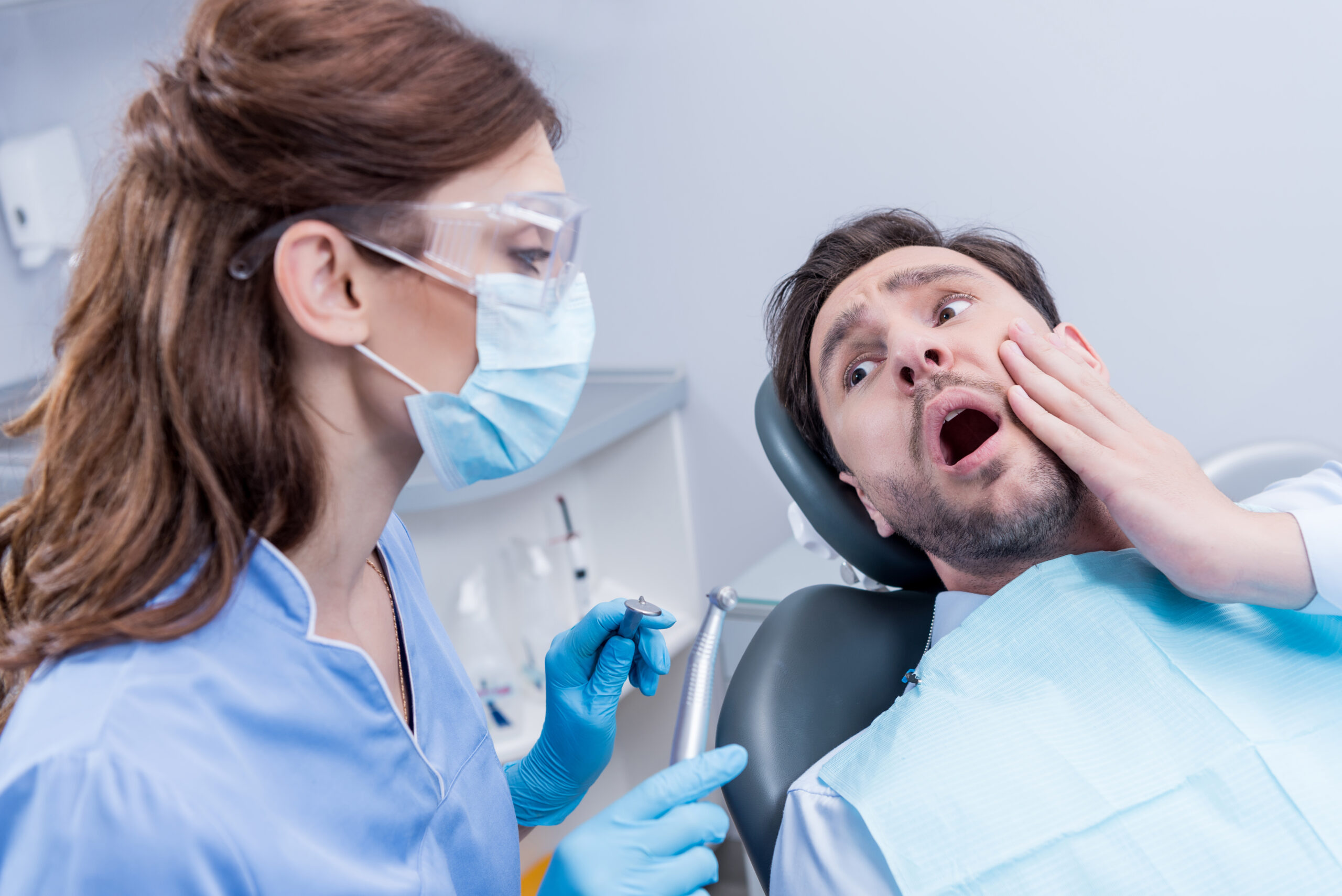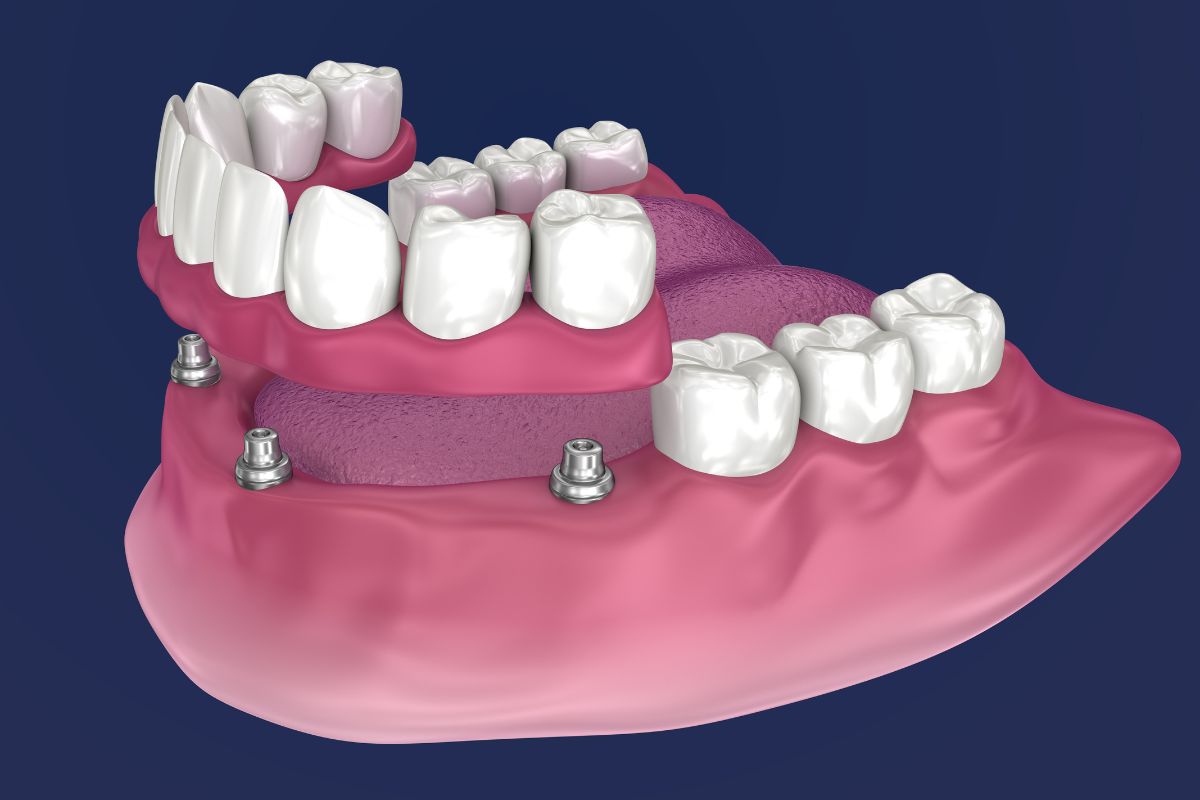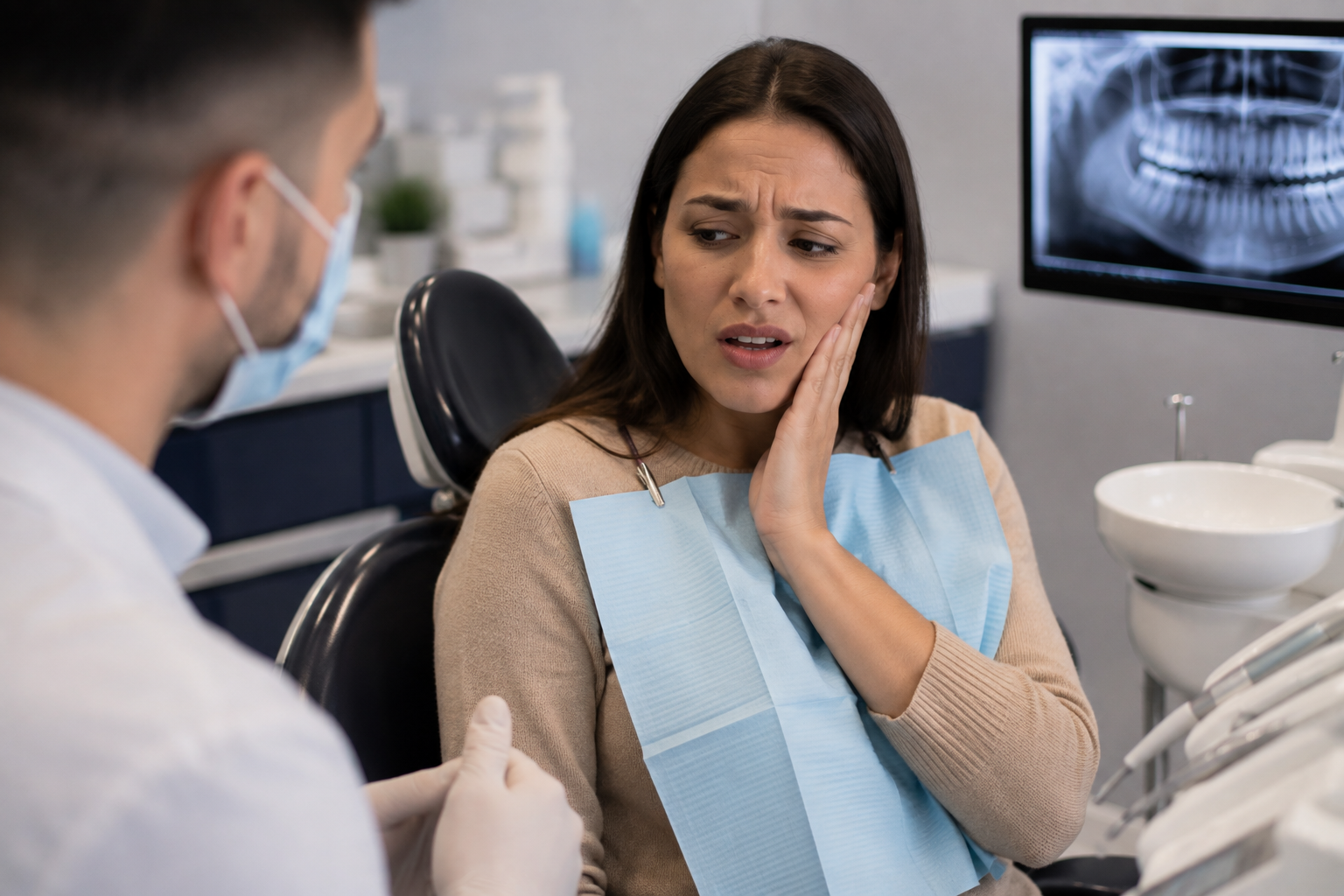
A dental crown is designed to protect a damaged tooth so you can eat, speak, and smile comfortably. While mild tenderness is completely normal for a few days after your procedure, persistent discomfort is a sign that something requires attention. If your crown hurts when chewing, it is helpful to understand whether the tooth simply needs time to settle or if it needs a quick professional adjustment.
Here is a look at the most common reasons a crowned tooth might hurt under pressure and how to find relief.
The Crown is Sitting Too High
The most common reason for pain when chewing on a crown is a slightly misaligned bite. Because your mouth is numb during the placement procedure, it can be difficult to tell if the new restoration is perfectly level with your surrounding teeth.
If the new crown is even a fraction of a millimeter too high, it makes contact with the opposing teeth before the rest of your mouth closes. This concentrates the entire force of your jaw onto one single tooth, overloading the underlying ligament and causing sharp, localized pain. A brief office visit for a bite adjustment will quickly polish down the high spot and relieve the pressure. You can explore more about how we craft and place each custom dental crown in Spring on our main Crowns page.
Temporary Crown Sensitivity
If you are wearing a temporary crown while your custom restoration is being crafted in the lab, mild sensitivity is expected. Temporary materials do not seal the tooth as tightly as permanent porcelain, leaving the underlying dentin slightly exposed to temperature changes.
However, if your temporary crown hurts when you bite down, or if it feels loose or unstable, let your dental team know. Keeping the area secure protects the prepared tooth and prevents unnecessary nerve inflammation before your permanent restoration is cemented.
Nerve Inflammation
Preparing a tooth for a crown involves removing damaged enamel and carefully reshaping the core structure. This necessary step can occasionally irritate the nerve inside the tooth. Mild sensitivity to hot, cold, or pressure usually fades within a few weeks as the nerve calms down.
If you develop a severe, throbbing ache or if the tooth hurts intensely even when you are not eating, the nerve may be struggling to heal on its own. In these cases, a gentle root canal treatment in Spring might be required to clear the inflammation beneath the crown. For broader care options, our General Dentistry services cover routine evaluations to catch these issues early.
Underlying Decay or Tooth Fracture
If a crowned tooth begins hurting months or years after placement, the cause could be new decay along the edge or a micro-fracture in the structure underneath. Addressing structural damage early is vital, and specialized treatments like our Treatment of Cracked Teeth can help salvage and strengthen the tooth before deeper complications arise.
When to Contact Your Dentist
Schedule a quick evaluation with your provider if:
- You are consistently wondering why your crown hurts when you put pressure on it after a full week of healing.
- Your bite feels uneven or the crown feels loose.
- The pain is sudden, sharp, and keeps you awake at night. In this case, reaching out to an emergency dentist in Spring is recommended to quickly diagnose and relieve the acute pain.
Most causes of post-crown discomfort are minor and easily fixable. A short visit to the office will ensure your restoration functions exactly as it should, allowing you to get back to eating comfortably. For more information on managing dental pain, you can also review American Dental Association guidelines for post-treatment care.
Frequently Asked Questions
How long should a new crown feel tender after placement? Mild gum soreness and light temperature sensitivity typically resolve within 3 to 7 days. Pain that worsens when chewing is usually a sign that the bite needs to be adjusted.
Can a high crown cause headaches or jaw pain? Yes. When your bite is uneven, your jaw muscles overcompensate to close properly, which can strain the temporomandibular joint (TMJ) and trigger tension headaches or localized facial soreness.
What can I do at home to manage crown discomfort while waiting for an adjustment? Chew food on the opposite side of your mouth, avoid hard or sticky foods, and take an over-the-counter anti-inflammatory (such as ibuprofen) as directed. Contact your dental provider promptly to schedule a quick polish and bite check.