When it comes to protecting your teeth from decay, brushing and flossing are your first lines of defense. But even the most diligent oral hygiene routine might not be enough to keep cavities at bay, especially in those hard-to-reach areas like the grooves of your molars. This is where dental sealants come into play. Dental sealants provide an additional layer of protection, safeguarding your teeth from the acids and bacteria that can cause decay. Here’s everything you need to know about dental sealants and how they can help protect your smile.
What Are Dental Sealants?
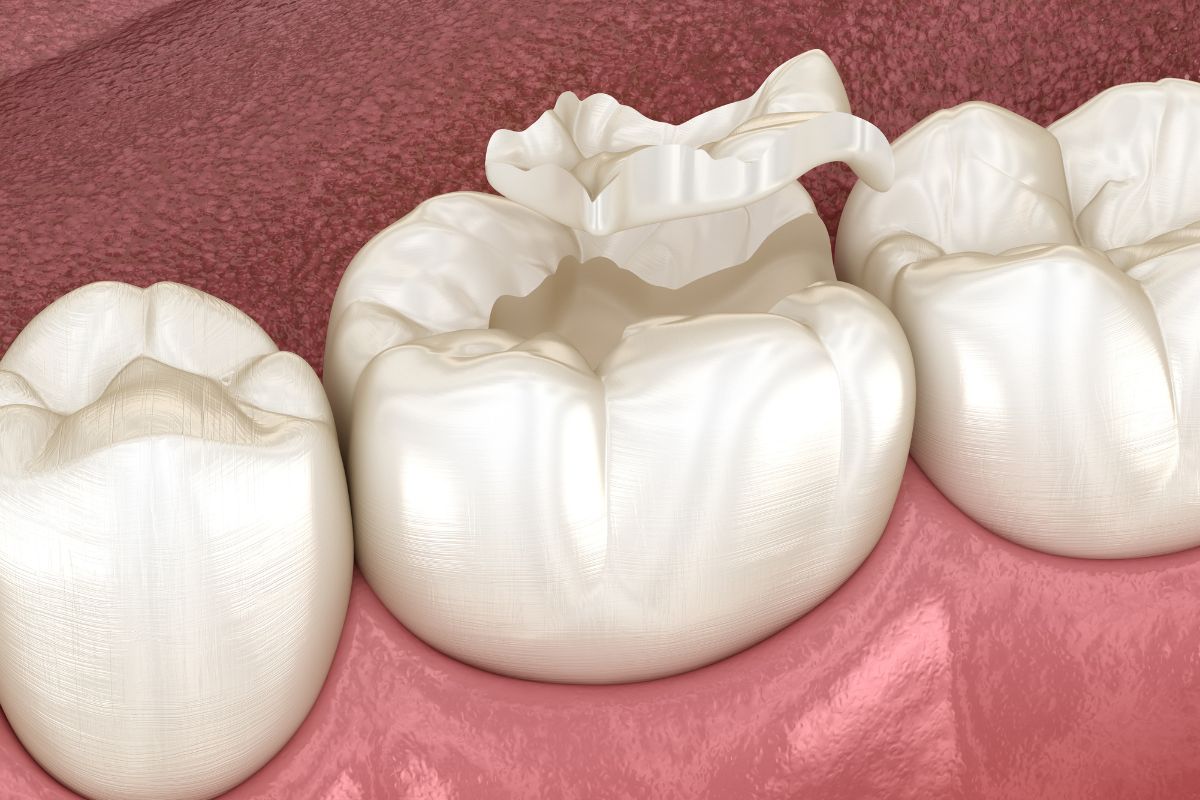
Dental sealants are a thin, protective coating that is applied to the chewing surfaces of the back teeth (molars and premolars). These teeth have deep grooves and fissures that can be difficult to clean thoroughly, even with regular brushing and flossing. The sealant material bonds to the tooth’s enamel, creating a smooth surface that is less likely to trap food particles and bacteria.
How Do Dental Sealants Work?
The primary purpose of dental sealants is to prevent tooth decay. The chewing surfaces of your molars and premolars have natural pits and grooves where food particles can get stuck, creating an environment where bacteria thrive. Over time, this can lead to cavities. By covering these grooves with a sealant, you create a barrier that prevents food and bacteria from settling in, reducing the risk of decay.
Who Should Get Dental Sealants?
Dental sealants are particularly beneficial for children and teenagers, as they are more prone to cavities. The earlier a child receives sealants, the better. The American Dental Association (ADA) recommends applying sealants to a child’s permanent molars as soon as they come in, typically between the ages of 6 and 12. However, adults who are at risk for cavities can also benefit from sealants, especially if they have deep grooves or fissures in their teeth.
The Benefits of Dental Sealants
Dental sealants offer numerous benefits, making them a popular choice for preventive dental care. Here are some of the key advantages:
- Prevents Cavities: Studies show that sealants reduce the risk of decay by nearly 80% in molars, making them a highly effective preventive measure.
- Quick and Painless Application: Applying sealants is a fast and painless procedure that can be done during a routine dental visit. It typically takes just a few minutes per tooth.
- Long-Lasting Protection: Sealants can last several years before they need to be reapplied. During regular dental check-ups, your dentist will monitor the condition of your sealants and recommend reapplication if necessary.
- Cost-Effective: Compared to the cost of treating a cavity, sealants are an affordable way to prevent decay and avoid more extensive dental work in the future.
The Dental Sealant Procedure: What to Expect
Getting dental sealants is a straightforward process that involves a few simple steps:
- Cleaning the Tooth: The dentist or dental hygienist will thoroughly clean the tooth to remove any plaque or food particles. This ensures that the sealant adheres properly to the enamel.
- Preparing the Tooth: A special gel is applied to the chewing surface of the tooth to help the sealant bond to the enamel. After a few seconds, the gel is rinsed off, and the tooth is dried.
- Applying the Sealant: The sealant material is painted onto the tooth’s surface, where it quickly bonds with the enamel. A special curing light is used to harden the sealant, creating a durable, protective shield.
- Final Check: The dentist will check the sealant to ensure it has been applied evenly and has fully hardened. Once in place, the sealant is ready to protect your tooth from decay.
How Long Do Dental Sealants Last?
While dental sealants can last several years, they are not permanent. The longevity of a sealant depends on factors such as your oral hygiene habits, the wear and tear on your teeth, and whether you grind your teeth. On average, sealants can last from three to five years, though some can last much longer with proper care. Your dentist will check the condition of your sealants during regular dental visits and can reapply them if necessary.
Are Dental Sealants Safe?
Yes, dental sealants are safe for both children and adults. The materials used in sealants have been extensively tested and are approved by the American Dental Association and other dental health organizations. Some parents express concern about the small amount of bisphenol A (BPA) present in some sealant materials, but the levels are extremely low and considered safe. The benefits of sealants in preventing cavities far outweigh any potential risks.
Maintaining Your Dental Sealants
To ensure your dental sealants last as long as possible, it’s important to maintain good oral hygiene and avoid habits that can damage them. Here are some tips for maintaining your sealants:
- Brush and Floss Regularly: Continue to brush your teeth at least twice a day with fluoride toothpaste and floss daily to remove plaque and prevent decay.
- Avoid Chewing Hard Objects: Chewing on ice, pens, or other hard objects can chip or crack your sealants, reducing their effectiveness.
- Visit Your Dentist Regularly: Regular dental check-ups are essential for monitoring the condition of your sealants and ensuring they remain intact.
Conclusion
Dental sealants are a simple, effective way to protect your teeth from cavities and maintain your oral health. Whether for your child or yourself, sealants offer long-lasting protection and peace of mind, helping to keep your smile healthy and beautiful. If you’re interested in learning more about dental sealants or think they might be right for you, don’t hesitate to contact your dentist in Spring today.