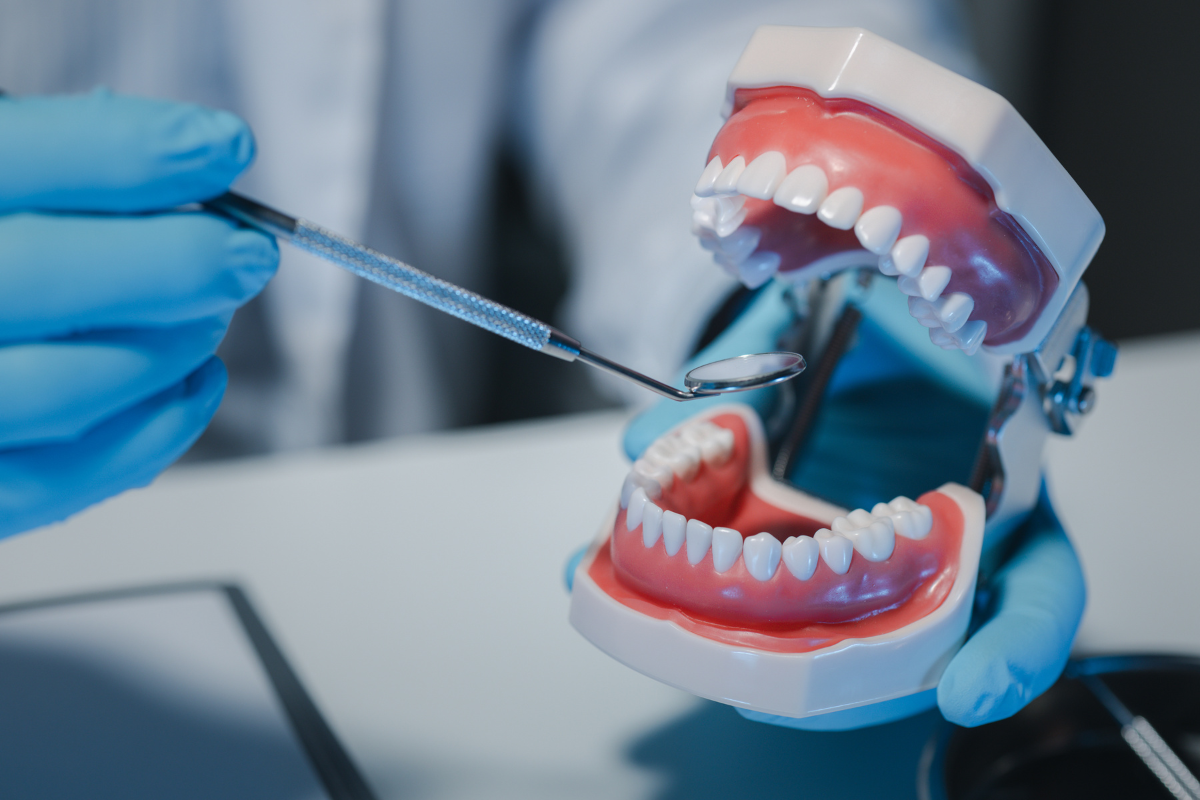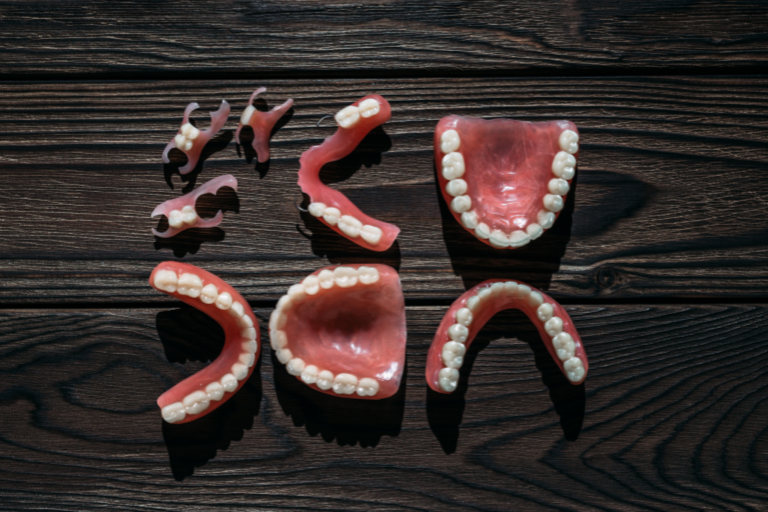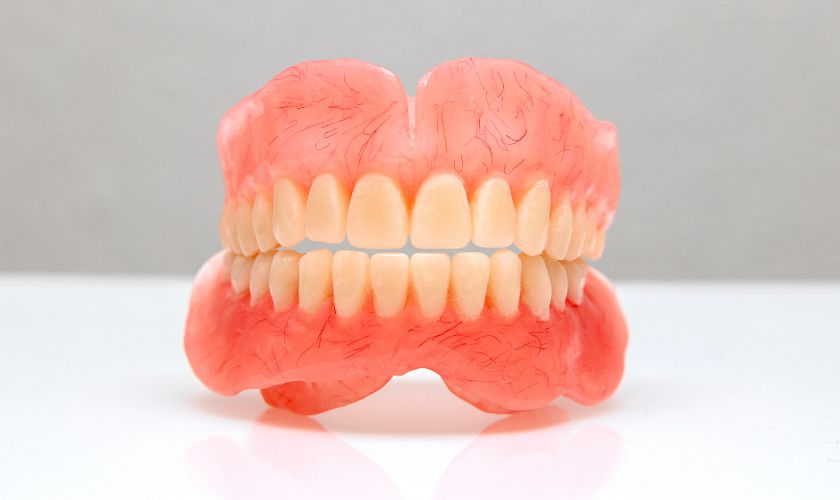
Dentures are a common solution for individuals who have lost their natural teeth due to age, disease, or injury. While dentures restore the ability to chew and speak properly, many denture wearers report changes in their sense of taste. This blog explores the connection between dentures and taste perception and provides practical tips to enhance your eating experience.
Understanding Taste Perception
Taste perception is a complex process involving the taste buds on the tongue, the sense of smell, and the brain. The tongue’s taste buds detect five primary tastes: sweet, sour, salty, bitter, and umami. However, a significant part of taste is influenced by smell. When we chew, aromas travel to the olfactory receptors in our nose, contributing to the overall flavor experience.
How Dentures Can Affect Taste
1. Coverage of Taste Buds
One primary way dentures can affect taste is by covering the taste buds on the roof of the mouth (palate). The upper denture often covers the entire roof of the mouth, which can diminish the ability to detect certain tastes. Although most taste buds are located on the tongue, the palate also plays a role in the perception of flavors.
2. Material of Dentures
The materials used in dentures can also influence taste perception. Acrylic and metal are the most common materials. Some studies suggest that the acrylic used in dentures can impart a slight taste, affecting the overall flavor of food.
3. Oral Health Issues
Poorly fitting dentures can cause sores and infections, which can alter taste. Additionally, reduced saliva production, often experienced by denture wearers, can impact the ability to taste. Saliva is crucial for breaking down food and transporting taste molecules to the taste buds.
Stats and Research Findings
Several studies have investigated the impact of dentures on taste perception:
- A study published in the Journal of Prosthetic Dentistry found that 53% of denture wearers reported a diminished sense of taste.
- Another study in the Journal of Oral Rehabilitation observed that denture wearers had a lower threshold for detecting salty and sweet tastes.
- Research from the National Institute of Dental and Craniofacial Research highlights that changes in taste perception are more pronounced in older adults, who are more likely to wear dentures.
Tips to Enhance Taste with Dentures
1. Ensure Proper Fit
Ensuring that dentures fit well is crucial. Poorly fitting dentures can not only cause discomfort but also affect your ability to taste. Regular check-ups with your dentist can help maintain the correct fit and make necessary adjustments.
2. Maintain Good Oral Hygiene
Keeping your mouth clean is essential. Regularly clean your dentures and brush your gums, tongue, and remaining natural teeth. This helps prevent infections and improves overall oral health, which can enhance your sense of taste.
3. Stay Hydrated
Dry mouth is a common issue for denture wearers and can affect taste. Drinking plenty of water throughout the day can help keep your mouth moist. Chewing sugar-free gum can also stimulate saliva production.
4. Experiment with Flavors
Since some taste buds may be less effective, experimenting with different flavors and seasonings can help enhance your eating experience. Spices, herbs, and marinades can make food more enjoyable and flavorful.
5. Remove Dentures When Possible
When not in social settings, consider removing your dentures to allow your palate to be exposed to food. This can help engage more taste buds and enhance flavor perception.
Psychological Impact and Adaptation
The psychological aspect of adjusting to dentures should not be overlooked. Feeling self-conscious about dentures can affect the enjoyment of eating. It’s important to give yourself time to adapt and seek support if needed. Joining support groups or speaking with a counselor can be beneficial.
Conclusion
While dentures can affect your sense of taste, understanding the factors involved and taking proactive steps can help mitigate these effects. Ensuring a proper fit, maintaining good oral hygiene, staying hydrated, experimenting with flavors, and allowing time for adaptation are key strategies to enhance your eating experience with dentures. If you have concerns about your sense of taste, don’t hesitate to consult with your dentist for personalized advice and solutions.
By staying informed and proactive, you can enjoy a satisfying and flavorful diet even with dentures.