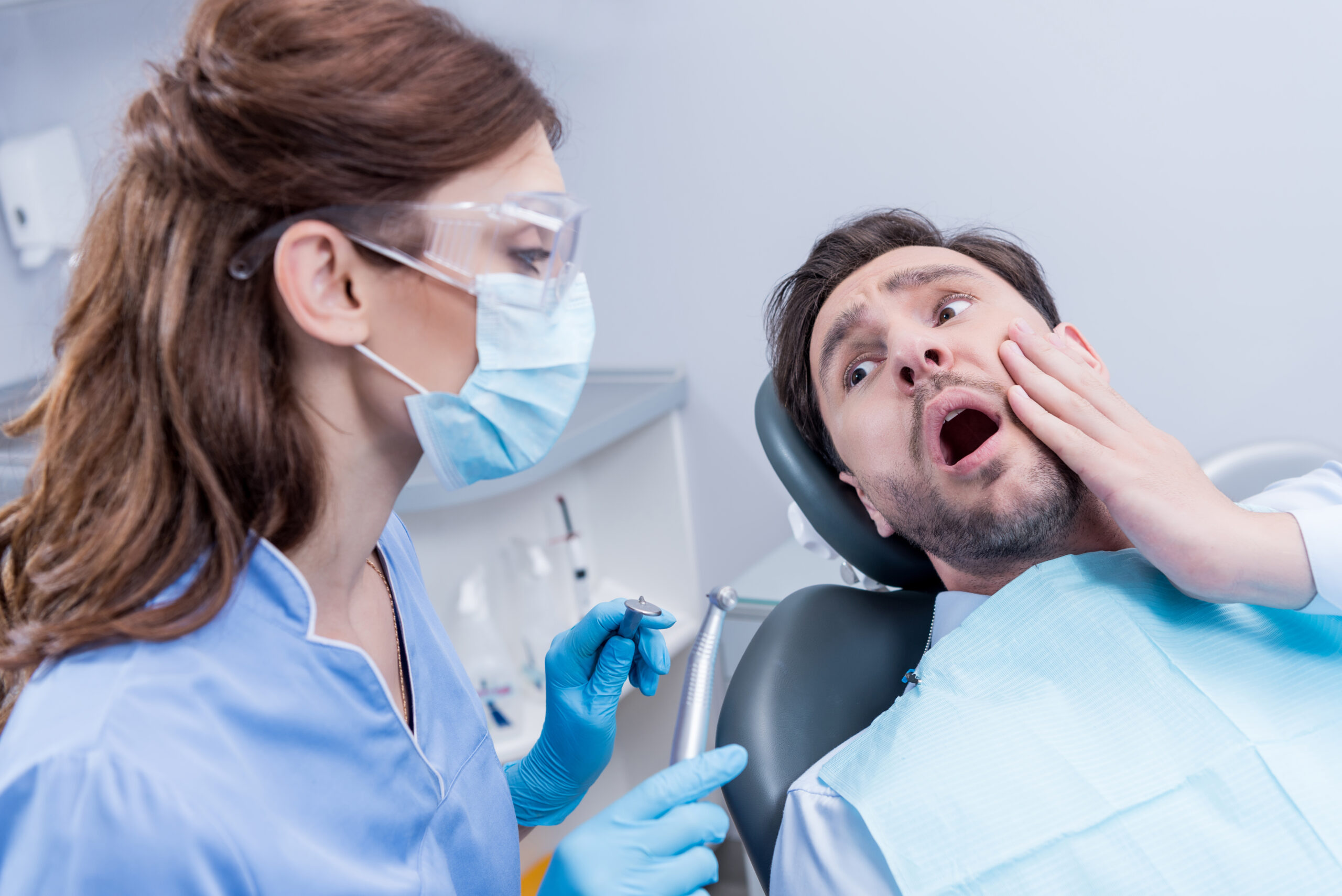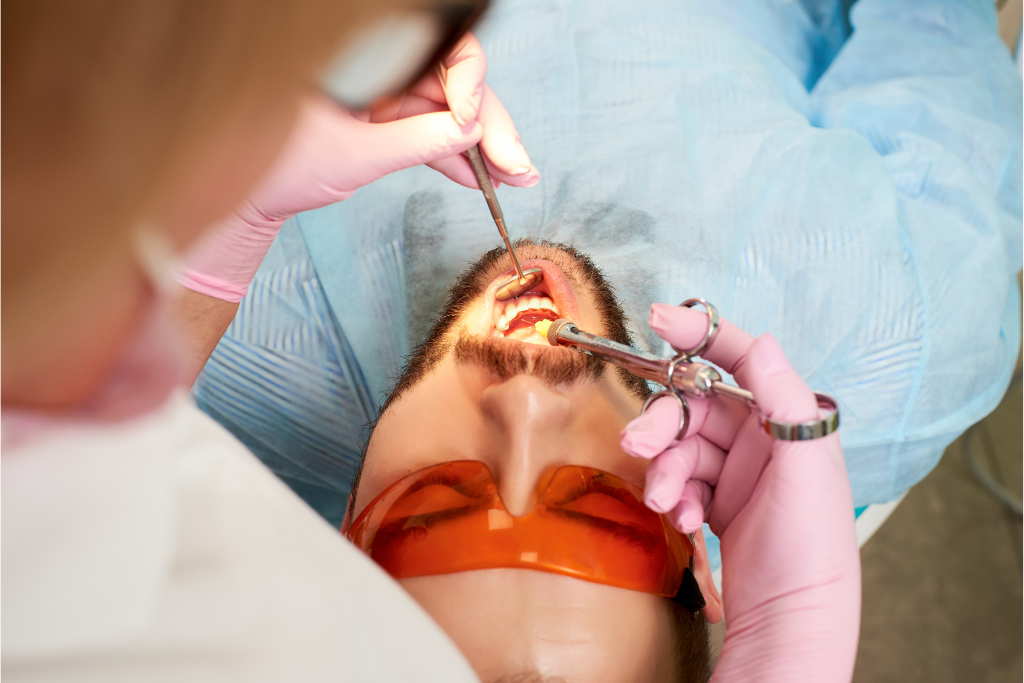
Spring, TX is a community that loves its sports. From youth soccer leagues at Burroughs Park to Friday night football games under the lights and weekend baseball tournaments, athletes of all ages spend plenty of time on the field, court, and diamond. While sports provide countless physical and social benefits, they also come with the risk of injury—and dental trauma is among the most common.
A collision with another player, a stray elbow during a basketball game, or an accidental fall can crack, loosen, or even knock out a tooth in seconds. Unfortunately, many people aren’t sure what to do when a dental emergency happens. Knowing how to respond during those first few minutes can significantly improve the chances of saving your natural tooth.
When a sports-related dental injury occurs, contacting an emergency dentist in Spring, TX as quickly as possible is the most crucial step. Time truly matters; treatment within the first 30 to 60 minutes offers the absolute best opportunity to save the tooth and avoid complex complications.
Common Sports Dental Injuries & Immediate Steps
Not every sports injury affects the teeth in the same way. Some damage is immediately obvious, while other issues may not show symptoms until days later.
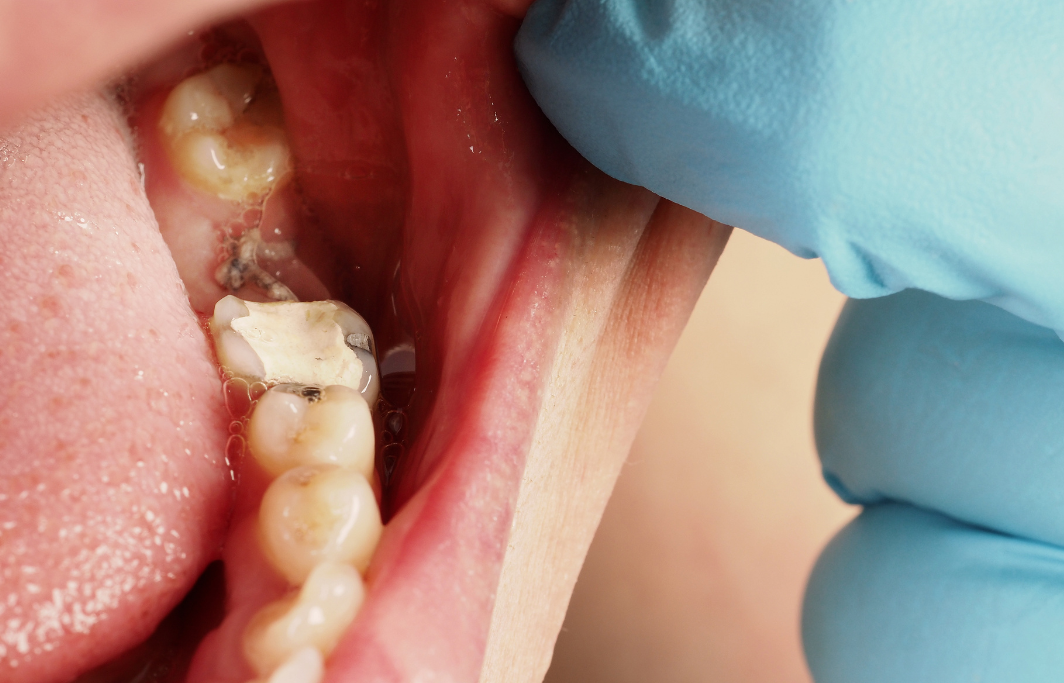
- Cracked or Chipped Teeth: A cracked tooth may cause sensitivity to hot and cold or discomfort while chewing. Sharp edges from a chip can irritate your tongue and expose the underlying dentin to bacteria.
- Luxation (Dislodged Teeth): A tooth forced sideways, deeper into the gum, or pushed out of alignment requires immediate professional repositioning and splinting.
- Avulsed (Knocked-Out) Teeth: This is the most urgent dental emergency. If an adult tooth gets knocked out completely, carefully pick it up by the crown (the chewing surface) rather than the root. Rinse it gently with cool water if it is dirty, but avoid scrubbing. If possible, place the tooth back into its socket. If you cannot, store the tooth in a clean container of cold milk or your own saliva to prevent the root cells from drying out while you rush to the clinic.
Signs You Need an Emergency Dentist in Spring, TX
Even when an injury doesn’t appear severe initially, certain symptoms should never be ignored. Contact your dental team immediately if you notice:
- A knocked-out or partially dislodged tooth.
- A loose tooth after an impact.
- Severe tooth pain or ongoing bleeding.
- Visible cracks, chips, or fractures.
- Swelling around the gums, lips, or jaw.
- Difficulty biting or chewing normally.
- Numbness in the teeth, gums, or facial area.
Prompt Dental Emergency care helps prevent additional damage and drastically improves the likelihood of preserving your smile.
Why Waiting Is Never the Right Call
One of the biggest mistakes patients make after a sports injury is assuming everything is fine because the initial pain fades away. While that reaction is understandable, waiting often allows hidden damage to worsen.
A tooth that appears completely normal after an impact can suffer internal bleeding, nerve damage, or root trauma that isn’t visible without a professional X-ray. Over time, the tooth’s nerve may die, leading to a painful infection that spreads to the surrounding tissues. What could have been fixed with a simple bonding procedure may eventually require extensive Root Canal Therapy or extraction. That’s why visiting an emergency dentist in Spring, TX after a sports injury is always the safest choice, even if your symptoms seem minor at first.
This is especially true for the growing population of student-athletes in Klein ISD and local Spring recreational leagues. Parents should watch for delayed warning signs like tooth discoloration, unusual temperature sensitivity, or subtle swelling, which indicate underlying trauma even if the child is not complaining of pain.
Preventing the Next Sports Dental Emergency
The good news is that most sports-related dental injuries are entirely preventable.
The single most effective way to protect your teeth during athletic activities is by wearing a custom-fitted mouthguard. Unlike bulky, store-bought “boil-and-bite” options, a custom guard provided by your dentist is designed specifically for your unique bite. This precise fit provides superior comfort, easier breathing, and maximum shock absorption during an impact.
You can further protect your smile by replacing worn-out mouthguards each season, wearing appropriate helmets or face cages, and addressing any existing dental decay during your Routine Dental Care visits before the sports season begins. You can review more safety guidelines for athletes on the American Dental Association’s MouthHealthy portal.
Get Emergency Dental Care Before the Damage Worsens
If you or someone in your family takes a hit to the mouth during a game or practice, do not wait to see what happens. Whether you are dealing with a minor chip or a knocked-out tooth, reaching out to an experienced emergency dentist in Spring, TX is always the safest choice.
At Vibe Dentistry, we are here to provide fast, compassionate care to get you out of pain and back in the game.
Frequently Asked Questions
Can a knocked-out adult tooth actually be saved? Yes. If you act quickly and receive professional treatment within about an hour of the injury, there is a very high success rate for reimplanting the tooth. Keeping the tooth moist in milk or saliva during transport is critical.
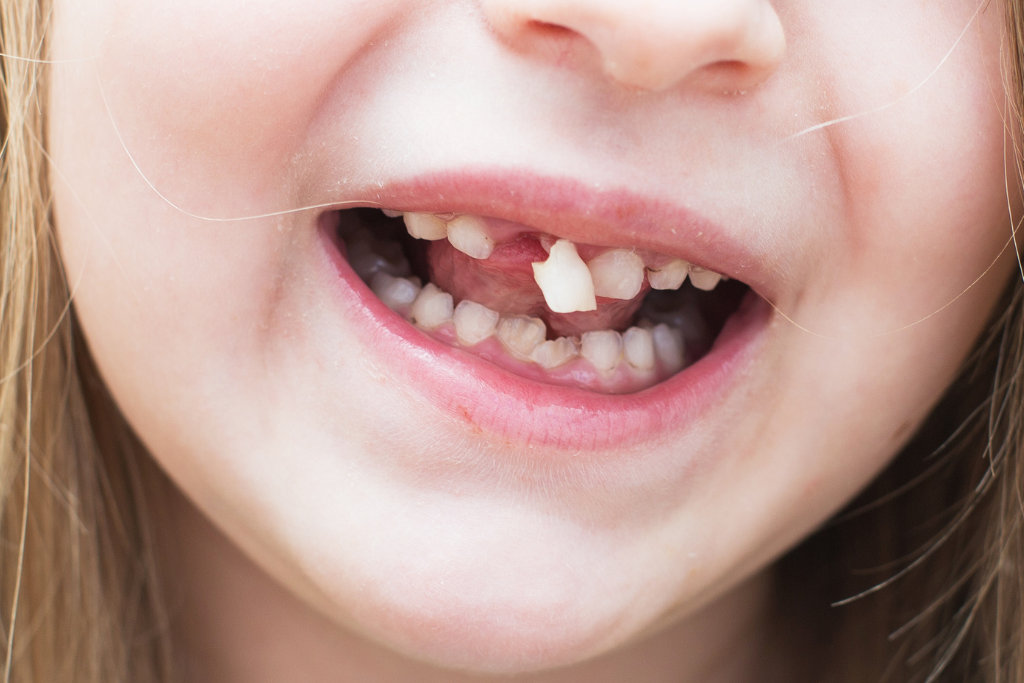
Do baby teeth need emergency treatment after sports injuries? Absolutely. Injuries to baby teeth can damage the developing permanent teeth sitting right beneath them in the jawbone. Prompt evaluation ensures the adult teeth remain unharmed.
My tooth doesn’t hurt after an injury. Does it still need to be checked? Yes. Many serious dental injuries, including nerve damage and hairline root fractures, do not cause immediate pain. A quick dental examination and X-ray can identify hidden issues before they escalate.
How long does sports dental emergency treatment usually take? Most initial emergency treatments—including cosmetic bonding for chips, splinting loose teeth, and reimplantation procedures—can be completed in under an hour to stabilize your smile.