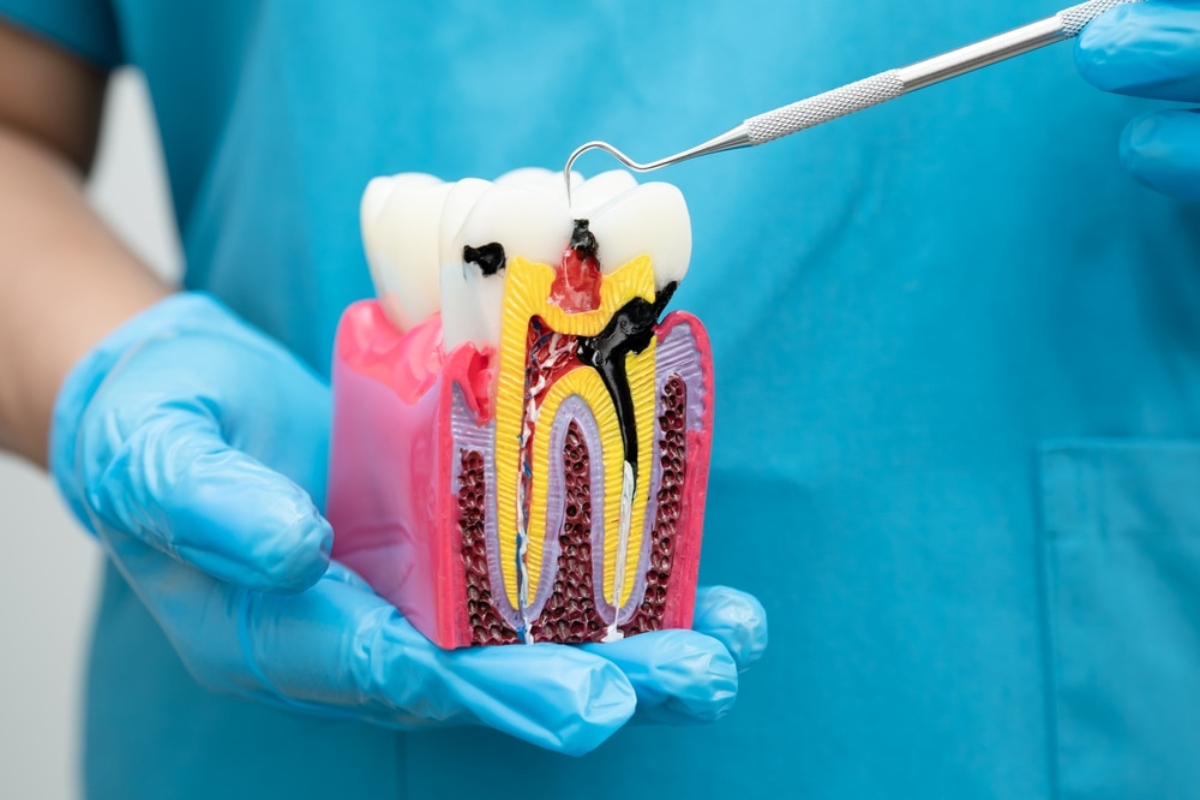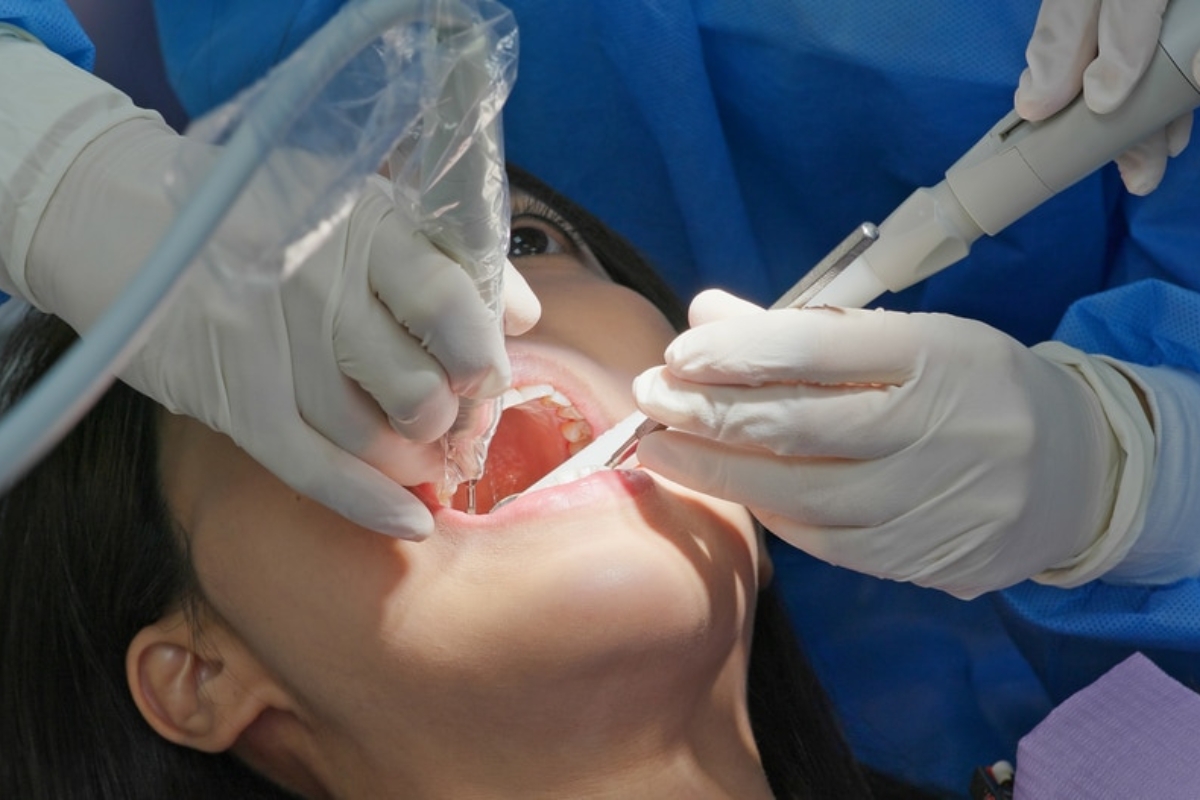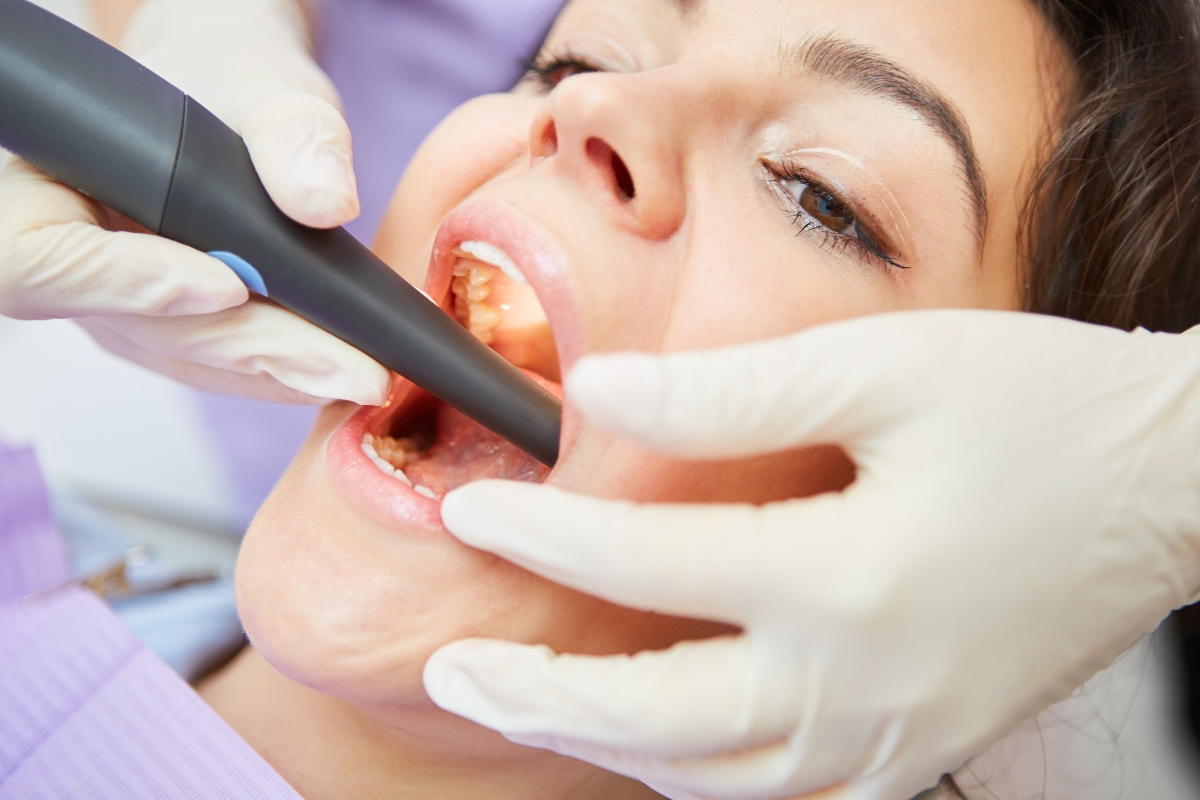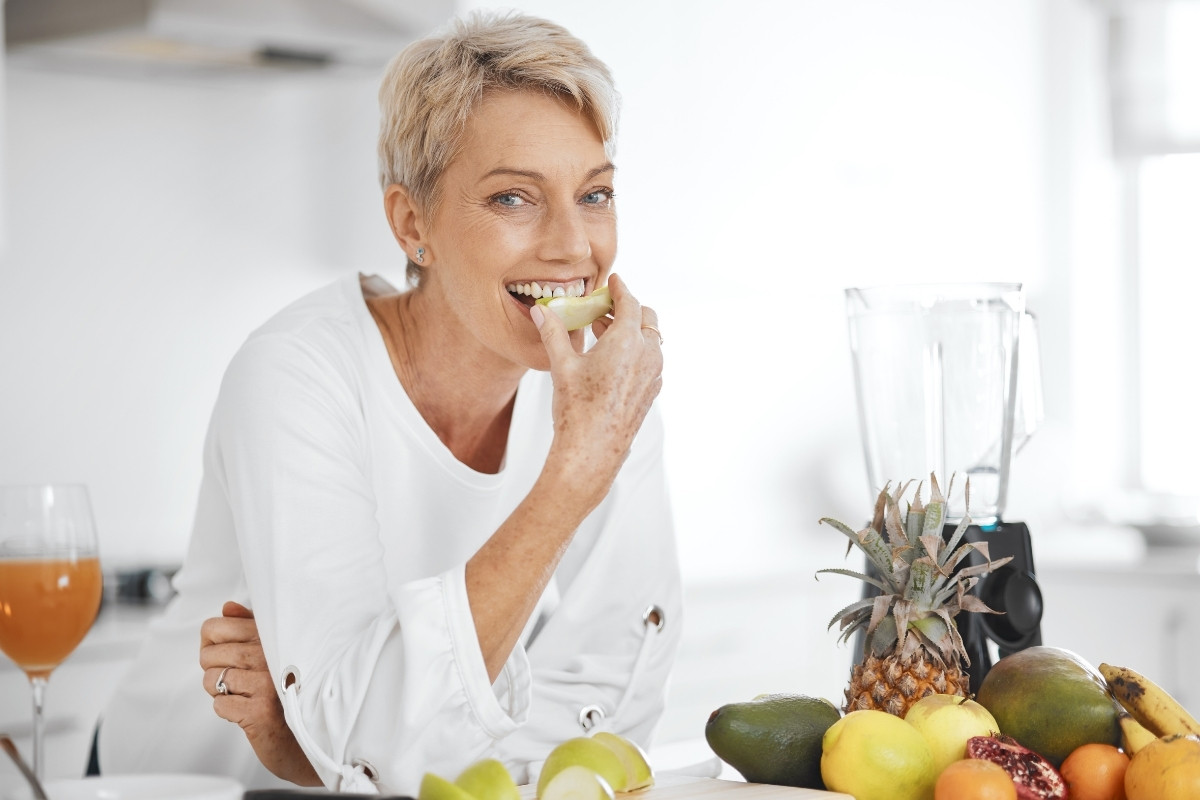
A Root Canal treatment is one of the most common dental procedures performed to save a damaged or infected tooth. While modern technology has made the procedure relatively painless, recovery still requires care – especially when it comes to what you eat afterward. Choosing the right foods not only helps reduce discomfort but also promotes faster healing and prevents damage to the treated tooth.
Why Diet Matters After Root Canal Treatment?
After a root canal, your tooth and surrounding area may be sensitive for a few days. Until your permanent crown is placed, the tooth is also more fragile and at risk of chipping. Eating the wrong foods can cause unnecessary pain, delay recovery, or even damage the treated tooth.
Soft, nutrient-rich foods are the key to a smooth recovery. They minimize chewing strain, reduce irritation, and ensure your body gets the nutrients needed for healing.
Foods to Eat After a Root Canal
1. Soft Fruits
Bananas, applesauce, ripe peaches, pears, and avocados are excellent choices. They’re gentle on your teeth while providing vitamins and fiber for recovery.
2. Dairy Products
Yogurt, pudding, smoothies, and soft cheeses are packed with protein and calcium, which help strengthen teeth and gums. Avoid dairy that is too cold immediately after the procedure, as extreme temperatures can cause sensitivity.
3. Cooked Vegetables
Steamed carrots, mashed potatoes, and soft squash are easy to chew and rich in essential nutrients. These can be mashed or pureed to reduce chewing effort.
4. Soups and Broths
Warm (not hot) soups are soothing and hydrating. Broths are easy to consume, provide essential minerals, and are perfect when chewing feels uncomfortable.
5. Protein-Rich Foods
Scrambled eggs, soft fish, and shredded chicken provide protein that supports healing and energy without straining your teeth.
6. Grains and Pasta
Oatmeal, soft rice, and well-cooked pasta are gentle on the teeth and keep you full. Add a little butter or sauce for flavor, but avoid spicy seasonings immediately after treatment.
7. Smoothies and Shakes
Blended drinks allow you to combine fruits, vegetables, and proteins into one nutritious meal. Just avoid using a straw, as suction can put pressure on the healing tooth.
Foods to Avoid After a Root Canal
While soft foods aid recovery, certain items can irritate or damage your treated tooth. Avoid the following:
- Hard and crunchy foods: Nuts, chips, raw vegetables, or candy can break or irritate the temporary filling.
- Sticky foods: Chewing gum, caramel, and chewy candies may pull on the treated tooth.
- Spicy foods: Can irritate sensitive tissue around the tooth.
- Hot or icy foods: Extreme temperatures may trigger sensitivity.
- Alcohol and carbonated drinks: These can slow healing and cause discomfort.
Tips for Eating Comfortably After a Root Canal
- Chew on the opposite side of the treated tooth.
- Cut food into small, manageable bites.
- Stick to room-temperature foods to avoid sensitivity.
- Maintain good oral hygiene by brushing and rinsing gently.
- Stay hydrated to support healing.
Long-Term Eating Habits After Root Canal
Once your dentist places a permanent crown, your treated tooth will function like a natural tooth. At that point, you can return to your normal diet. However, maintaining a balanced diet rich in calcium, vitamins, and protein will help strengthen your teeth and gums in the long term.
How Long to Eat Soft Foods After a Root Canal?
Most patients should stick to soft foods for 2 to 3 days after a root canal, as the treated tooth and surrounding tissue remain sensitive. During this time, choose gentle options like yogurt, mashed vegetables, scrambled eggs, and smoothies to avoid putting pressure on the healing tooth. If you received a temporary filling or crown, it’s best to avoid chewing on that side until your permanent crown is placed. Your dentist may recommend extending the soft-food diet if discomfort persists. Always follow your dentist’s instructions to ensure smooth healing and avoid complications.
What to eat after a root canal before a crown?
After your Root Canal treatment, your dentist will usually place a temporary filling or crown to protect the tooth until the permanent crown is ready. During this stage, the tooth is more fragile and requires extra care. Choosing the right foods will prevent damage and keep you comfortable.
Stick to soft, non-sticky foods that don’t put pressure on the temporary crown. Great options include mashed potatoes, oatmeal, scrambled eggs, soft pasta, yogurt, and smoothies. Steamed vegetables, applesauce, and ripe bananas are also gentle choices. If you want protein, go for soft fish or shredded chicken that doesn’t require much chewing.
Avoid foods that are hard, crunchy, or sticky, such as nuts, chips, hard bread, caramel, and chewing gum. These can dislodge or crack your temporary crown. Also, be cautious with very hot or icy foods since sensitivity is common during this healing stage.
Always chew on the opposite side of your mouth until the permanent crown is placed. With the right diet and careful chewing habits, your tooth will remain protected, and your recovery will be smooth until your follow-up at the dental office for your permanent crown placement.
FAQs About Eating After a Root Canal
1. How soon can I eat after a root canal?
You should wait until the numbness from anesthesia wears off before eating. Eating while numb may cause you to bite your tongue or cheek accidentally.
2. Can I eat meat after a root canal?
Yes, but choose soft meats like shredded chicken or fish. Avoid tough, chewy cuts of meat until your tooth is fully healed.
3. Is it okay to drink coffee after a root canal?
You can, but avoid very hot coffee immediately after treatment, as your tooth may be sensitive to temperature. Opt for lukewarm drinks for the first few days.
4. Can I chew on the treated tooth?
It’s best to avoid chewing on the treated side until your permanent crown is placed. Use the opposite side of your mouth to prevent damage to the temporary filling.
5. How long do I need to stick to soft foods?
Most patients need soft foods for about 2–3 days. Once sensitivity decreases, you can gradually return to your normal diet.
6. Are smoothies safe to drink?
Yes, smoothies are a great option because they’re soft and nutritious. Just avoid using a straw, as the suction can affect healing.
7. What happens if I accidentally eat something crunchy?
If it doesn’t cause pain, you’re likely fine. However, if you experience discomfort or damage to your temporary filling, contact your dentist immediately for evaluation.