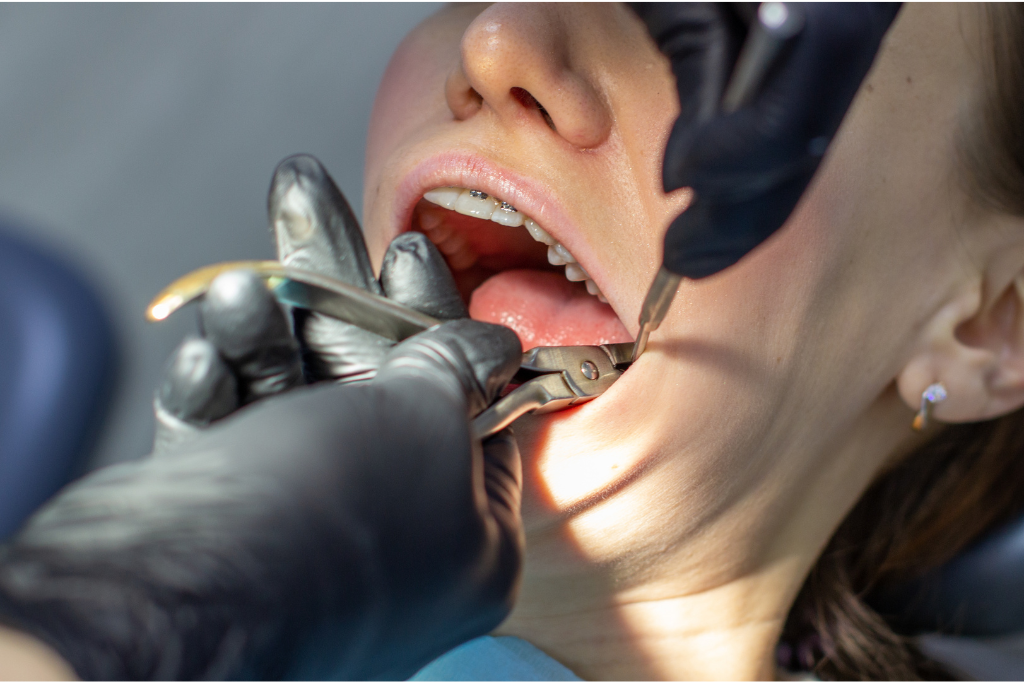
When a tooth becomes badly damaged or infected, many patients ask the same question: should the tooth be saved or removed? It’s a decision that can affect your oral health, comfort, and confidence for years to come.
In most situations, dentists prefer to save a natural tooth whenever possible. Modern dental treatments can often restore teeth that once would have needed extraction. However, there are cases where pulling the tooth may actually be the healthier option.
If you’re dealing with tooth pain, swelling, or a damaged tooth, understanding the difference between saving and removing a tooth can help you make the best decision for your long-term oral health. A trusted dentist can evaluate the condition of your tooth and recommend the most effective treatment before the problem becomes more serious.
Why Saving a Natural Tooth Is Usually Best
Your natural teeth are designed to work together to support chewing, speaking, and jaw alignment. Even with advanced dental restorations available today, a natural tooth is still considered the best option whenever it can be preserved safely.
Treatments like fillings, crowns, and root canals can often repair damage caused by decay, cracks, or infection. Saving the tooth also helps prevent nearby teeth from shifting out of place, which can happen after an extraction.
Many families in Spring live busy lives filled with work commutes, school events, and outdoor activities throughout the year. Because schedules can get hectic, some people delay dental care until the pain becomes severe. Unfortunately, waiting too long can reduce the chances of saving the tooth.
An experienced dentist in Spring TX will carefully examine the condition of the tooth before recommending the most effective treatment option.
When a Tooth Can Be Saved
A tooth can often be restored if enough healthy structure remains. Even infected teeth may still be saved through root canal therapy.
During a root canal, the infected tissue inside the tooth is removed, the area is disinfected, and the tooth is sealed to prevent future infection. In many cases, a crown is placed afterward to strengthen and protect the tooth.
Contrary to common myths, modern root canal treatment is typically no more uncomfortable than getting a filling. Advanced technology and local anesthesia have made dental procedures far more comfortable than many patients expect.
Saving the natural tooth also helps preserve the jawbone. Once a tooth is removed, the bone in that area may begin to shrink over time.
For patients searching for a dentist in Spring TX, preserving a natural tooth is often the healthiest and most affordable long-term solution.
When Pulling a Tooth May Be the Better Option
Although dentists usually try to save teeth first, there are situations where extraction may be necessary.
A tooth may need to be removed if it is severely cracked below the gumline, weakened by advanced gum disease, or damaged beyond repair from trauma or infection. In some cases, the infection may spread too deeply into the surrounding bone and tissue.
Wisdom teeth are another common reason for extraction. Impacted wisdom teeth can cause crowding, swelling, and recurring pain.
Ignoring a severely infected tooth can lead to serious health complications. Dental infections do not always stay isolated to the mouth. If left untreated, bacteria can spread into surrounding tissues and even enter the bloodstream.
This is why prompt dental care matters. Visiting a Spring Dentist early often increases the chances of saving the tooth before extraction becomes necessary.
What Happens After a Tooth Extraction?
After a tooth is removed, the empty space should usually be replaced to avoid future dental problems.
Missing teeth can cause neighboring teeth to shift over time, affecting your bite and making cleaning more difficult. Bone loss can also occur in the jaw where the tooth was removed.
Dental implants and bridges are common replacement options. Dental implants are especially popular because they look natural and help maintain jawbone strength.
Many people in Spring appreciate treatment options that allow them to maintain a natural-looking smile while returning quickly to work and daily activities.
Still, replacing a missing tooth often requires more time and expense than saving the natural tooth in the first place. That’s why dentists usually recommend preservation whenever possible.
Signs You Should See a Dentist Immediately
Tooth problems rarely disappear on their own. Delaying treatment can turn a minor issue into a serious dental emergency.
You should schedule a dental visit right away if you notice:
- Persistent or throbbing tooth pain
- Swelling around the gums or jaw
- Sensitivity to hot or cold that lingers
- Pain while chewing or biting
- A cracked or broken tooth
- Bad breath that does not improve
- A loose adult tooth
- Pus or signs of infection near the gums
Many patients wait until the pain becomes unbearable before calling a dentist in Spring TX. Unfortunately, delaying care can sometimes mean the tooth can no longer be saved.
Early treatment almost always leads to simpler and less expensive solutions.
How Dentists Decide Whether to Save or Remove a Tooth
Every dental situation is different. Dentists evaluate several factors before recommending treatment.
They look at the amount of healthy tooth structure remaining, the extent of infection, gum health, bone support, and your overall oral condition.
Your long-term goals matter too. Some patients are better candidates for restorative treatment, while others may benefit more from extraction and replacement.
A trusted Spring Dentist will explain your options clearly and help you make the decision that best supports your long-term oral health.
The Importance of Acting Early
One of the biggest mistakes patients make is waiting too long to address tooth pain or damage.
Small cavities can often be repaired with a simple filling. Minor cracks may only require a crown. But once infection spreads deeply into the tooth or bone, treatment becomes more complicated.
Seeking care early can often save both your tooth and your money.
Whether you’re experiencing discomfort, swelling, or sensitivity, scheduling an evaluation with a dentist in Spring TX can help prevent more serious problems later on.
How Do I Know If My Tooth Is Beyond Repair?
A dental exam and X-rays are necessary to determine whether the tooth can still be restored safely.
If you’re dealing with tooth pain, infection, or a damaged tooth, the team at Vibe Dentistry is here to help. Our experienced team provides personalized care focused on protecting your long-term oral health while keeping you comfortable every step of the way. Schedule your appointment today and let us help you find the best solution for your smile.
Frequently Asked Questions
Is It Always Better To Save A Natural Tooth?
In most cases, yes. Preserving the natural tooth helps maintain jawbone health, chewing ability, and proper tooth alignment.
Can A Tooth Infection Be Treated Without Extraction?
Many infected teeth can be treated successfully with root canal therapy if the infection is caught early enough.
How Painful Is A Tooth Extraction?
Most tooth extractions are performed with local anesthesia, making the procedure far more comfortable than many patients expect.
What Is The Best Replacement Option After Extraction?
Dental implants are often considered the most natural-looking and durable tooth replacement option.