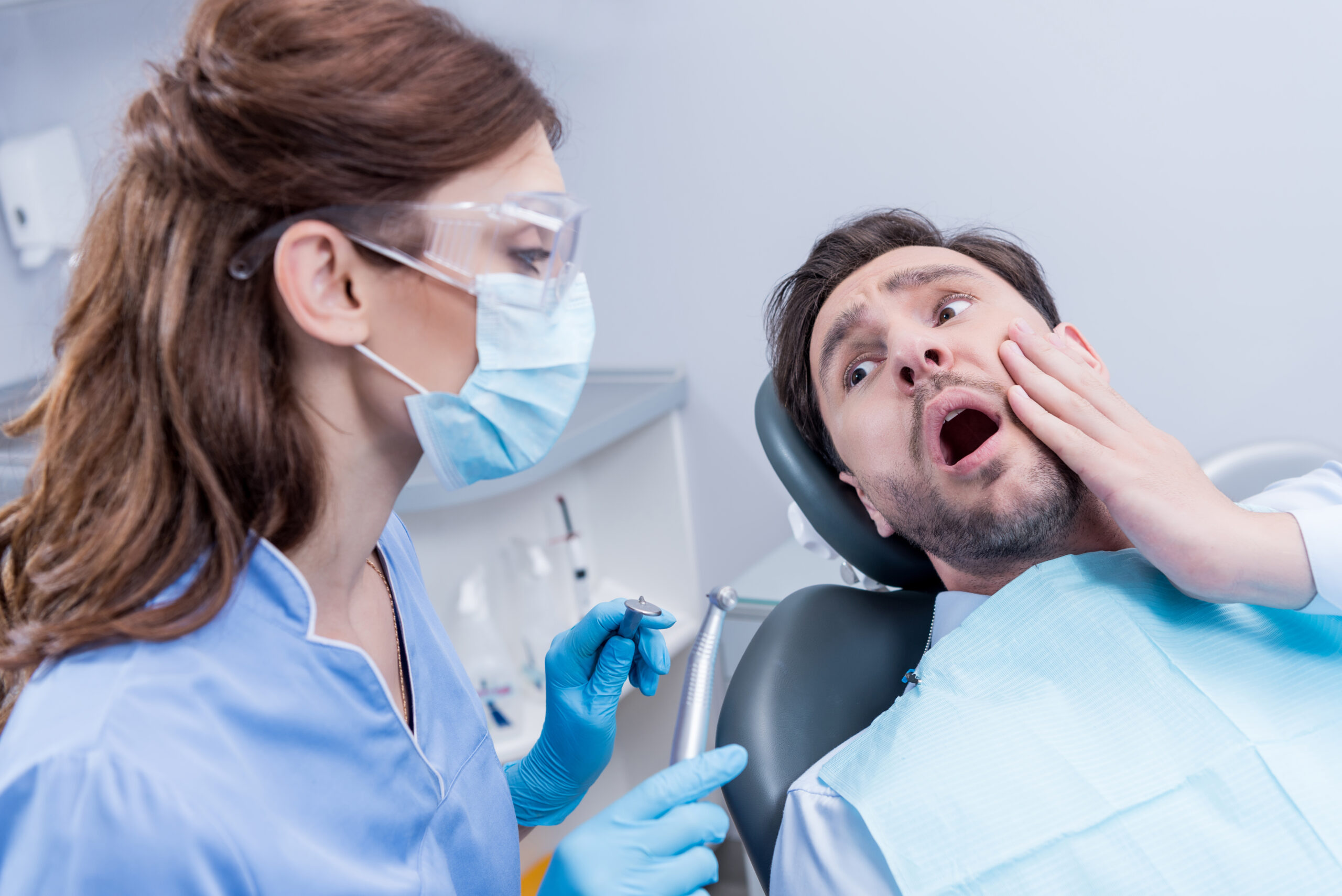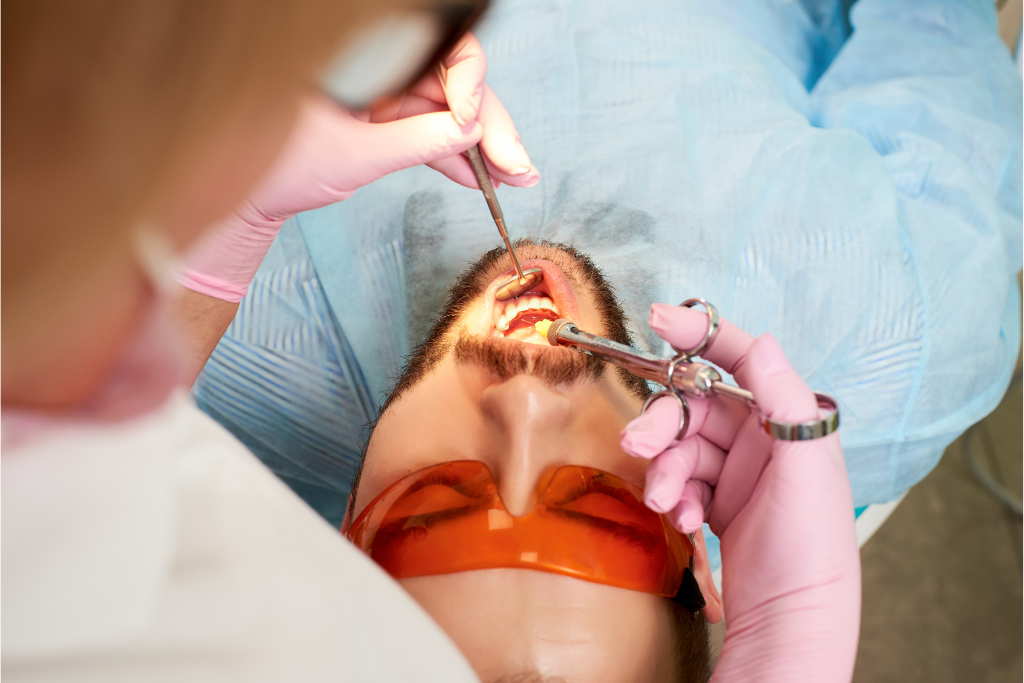
Dental emergencies can arise unexpectedly, causing pain, discomfort, and anxiety. Knowing when to seek emergency dental care is crucial for preserving oral health and preventing further complications. In this article, we will discuss six common dental emergencies that require immediate attention, along with guidance on how to handle each situation.
Severe Tooth Pain:
Intense, persistent tooth pain can indicate various underlying issues, such as tooth decay, infection, or a dental abscess. If over-the-counter pain relievers and home remedies fail to alleviate the pain, it’s essential to seek prompt dental evaluation to identify and address the root cause.
Knocked-Out Tooth:
A knocked-out tooth, also known as an avulsed tooth, is a dental emergency that requires immediate action to increase the chances of successful re-implantation. Rinse the tooth gently without scrubbing, place it back into the socket if possible, or store it in milk or saliva and seek emergency dental care within 30 minutes.
Broken or Cracked Tooth:
A broken or cracked tooth can result from trauma, decay, or biting on hard objects. Rinse your mouth with warm water, apply a cold compress to reduce swelling, and seek emergency dental treatment to assess the extent of damage and prevent infection or further complications.
Lost Dental Filling or Crown:
If a dental filling or crown becomes dislodged or falls out, it can expose the underlying tooth structure and cause sensitivity or discomfort. Avoid chewing on the affected tooth, and schedule an emergency dental appointment to replace the filling or crown and prevent further damage.
Severe Gum Bleeding or Injury:
Excessive gum bleeding or trauma to the gums can indicate periodontal disease, injury, or underlying health issues. Rinse your mouth with saltwater, apply gentle pressure to the affected area with clean gauze, and seek immediate dental care to address the cause of bleeding and prevent infection.
Abscess or Swelling:
A dental abscess is a serious infection characterized by swelling, pus formation, and severe pain. It requires immediate dental attention to drain the abscess, prescribe antibiotics, and prevent the spread of infection to surrounding tissues or other parts of the body.
Conclusion:
Dental emergencies can occur suddenly and require prompt intervention to alleviate pain, preserve oral health, and prevent further complications. By recognizing the signs of dental emergencies and knowing how to respond effectively, you can minimize discomfort and ensure timely treatment. If you experience any of the aforementioned dental emergencies, do not hesitate to contact your dentist or seek emergency dental care for prompt evaluation and appropriate management.