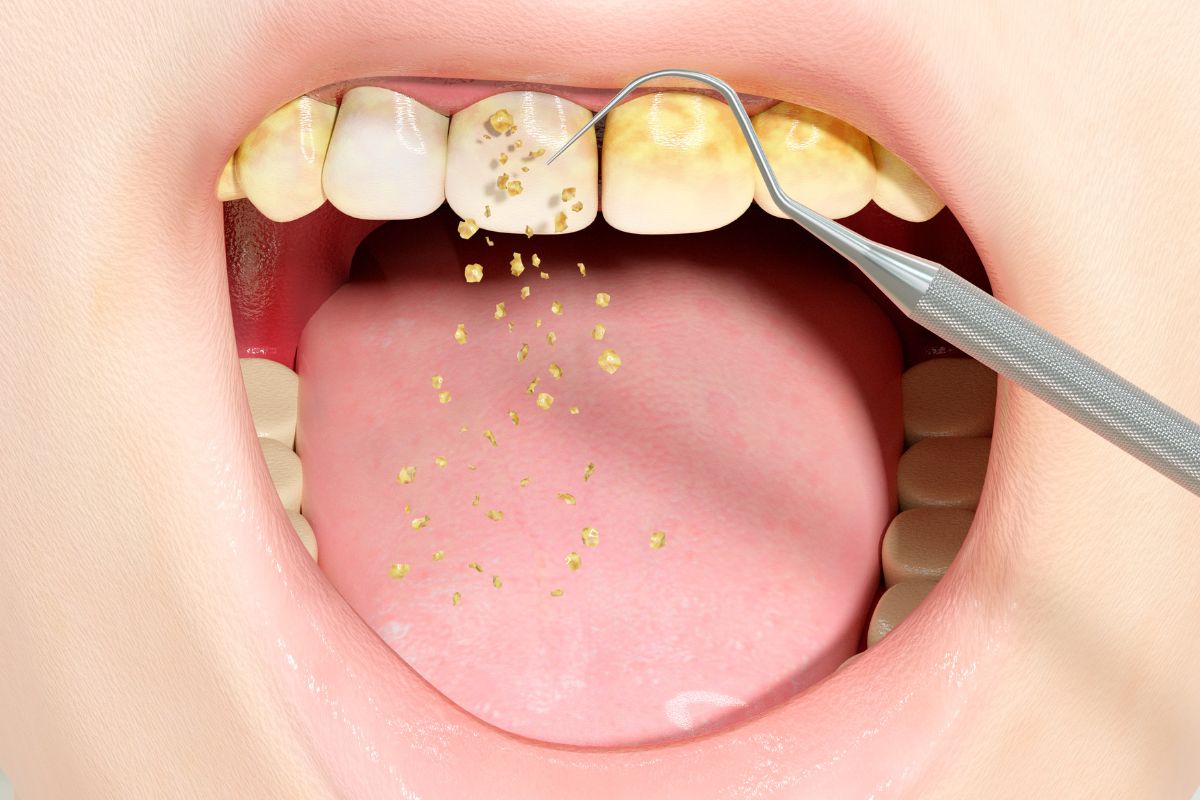
Experiencing discomfort or sensitivity after getting a crown can be confusing and even alarming for patients. A dental crown in Spring is designed to protect a weakened tooth, restore function, and relieve pain, not add to it. However, there are cases where patients may feel discomfort, especially when biting, chewing, or putting pressure on the tooth. Understanding the possible reasons for this pain and what you can do about it can help you find relief and restore comfort.
Common Reasons Why a Crown Hurts Under Pressure
1. Tooth Sensitivity
After getting a crown, it’s normal to experience mild sensitivity, especially to hot or cold foods. However, if you feel sharp pain when chewing, it may be due to the tooth underneath still being sensitive. In many cases, this can settle down over time, but if it worsens, your dentist should evaluate the situation.
2. High Bite (Occlusion Issue)
If your crown is slightly taller than the surrounding teeth, it can cause extra pressure when you bite down. This uneven bite leads to soreness, pain, and sometimes even jaw discomfort. A simple adjustment at your dental office can correct the height and provide relief.
3. Nerve Irritation or Infection
Even though a crown covers the tooth, the nerves inside remain alive unless you’ve had a root canal. If the nerve becomes inflamed or infected, you may feel pain when chewing or applying pressure. Sometimes, the tooth may require root canal therapy if the nerve damage is significant.
4. Loose Crown
If the crown does not fit properly or the cement holding it weakens, it may shift slightly when biting. This movement can cause pain and allow bacteria to sneak underneath, leading to decay or infection.
5. Gum Issues Around the Crown
Sometimes the discomfort isn’t from the tooth itself but from the gums surrounding the crown. Inflamed or irritated gum tissue can make chewing painful, particularly if bacteria or food particles get trapped around the crown’s edges.
6. Cracked or Damaged Crown
Even though crowns are durable, they are not indestructible. If a crown develops a crack, chip, or fracture, it can expose the underlying tooth or create sharp edges that hurt when biting.
7. Bruxism (Teeth Grinding)
If you grind or clench your teeth at night, the crown may be under excessive stress. This constant pressure can lead to pain, wear, or even damage to the crown and surrounding teeth. A nightguard may be recommended by your dentist to protect your teeth.
How to Prevent Crown-Related Pain in the Future
Taking proactive steps can reduce the chance of tooth sensitivity or pain after crown placement:
- Ensure your dentist does a bite check to confirm your crown is properly aligned.
- Practice excellent oral hygiene by brushing and flossing around the crown.
- Schedule regular checkups to catch issues before they worsen.
- Wear a mouthguard if you grind or clench your teeth at night.
- Avoid chewing on ice, hard candies, or other surfaces that may strain or crack the crown.
When cared for correctly, a crown can last for many years, providing function and aesthetics without ongoing discomfort.
Treatment Options for Crown Pain
- Bite Adjustment: If the crown is too high, your dentist can reshape it for a balanced bite.
- Gum Treatment: Deep cleaning or gum therapy may be needed if inflammation is present.
- Crown Replacement: If the crown is cracked, loose, or poorly fitted, replacing it may be the best solution.
- Root Canal Therapy: If the nerve inside the tooth is infected, a root canal can remove the infection while preserving the crown.
- Nightguard: For patients with bruxism, a custom-fitted nightguard helps reduce pressure and protect the crown.
What to Do If Your Crown Hurts
- Monitor the pain: If the discomfort is mild and improving, it may be part of the normal adjustment process.
- Avoid hard foods: Chewing on tough or sticky foods may worsen the pain.
- Maintain oral hygiene: Brush and floss carefully around your crown to prevent gum inflammation and decay.
- Schedule a check-up: Persistent or worsening pain should never be ignored. Visiting your dental office allows your dentist to examine the crown, bite, and tooth beneath to find the root cause.
FAQs About Crown Pain
1. Is it normal for a crown to hurt when I chew?
Some soreness is normal for a few days after crown placement. If pain continues beyond a week, it may indicate a bite issue or infection.
2. Why does my crown hurt months after the procedure?
Delayed crown pain often points to nerve-related issues, decay under the crown, or shifting in your bite that needs correction.
3. Can a crown be too high and cause pain?
Yes. A crown that sits too high puts uneven pressure on the tooth and surrounding teeth, leading to pain when chewing.
4. What should I do if my crown feels loose and painful?
Avoid chewing on it and contact your dental office immediately. A loose crown can expose your tooth to decay or damage.
5. Will I need a root canal if my crown hurts?
Not always. While some cases require root canal therapy for nerve issues, pain may also stem from bite misalignment, gum irritation, or a damaged crown.
6. Can teeth grinding cause my crown to hurt?
Yes. Grinding puts extra stress on crowns, leading to sensitivity, cracks, or pain under pressure. A nightguard can help protect your crown.
7. How long should pain last after getting a crown?
Mild soreness usually lasts a few days. If pain persists beyond a week or worsens, consult your dentist to check for underlying problems.