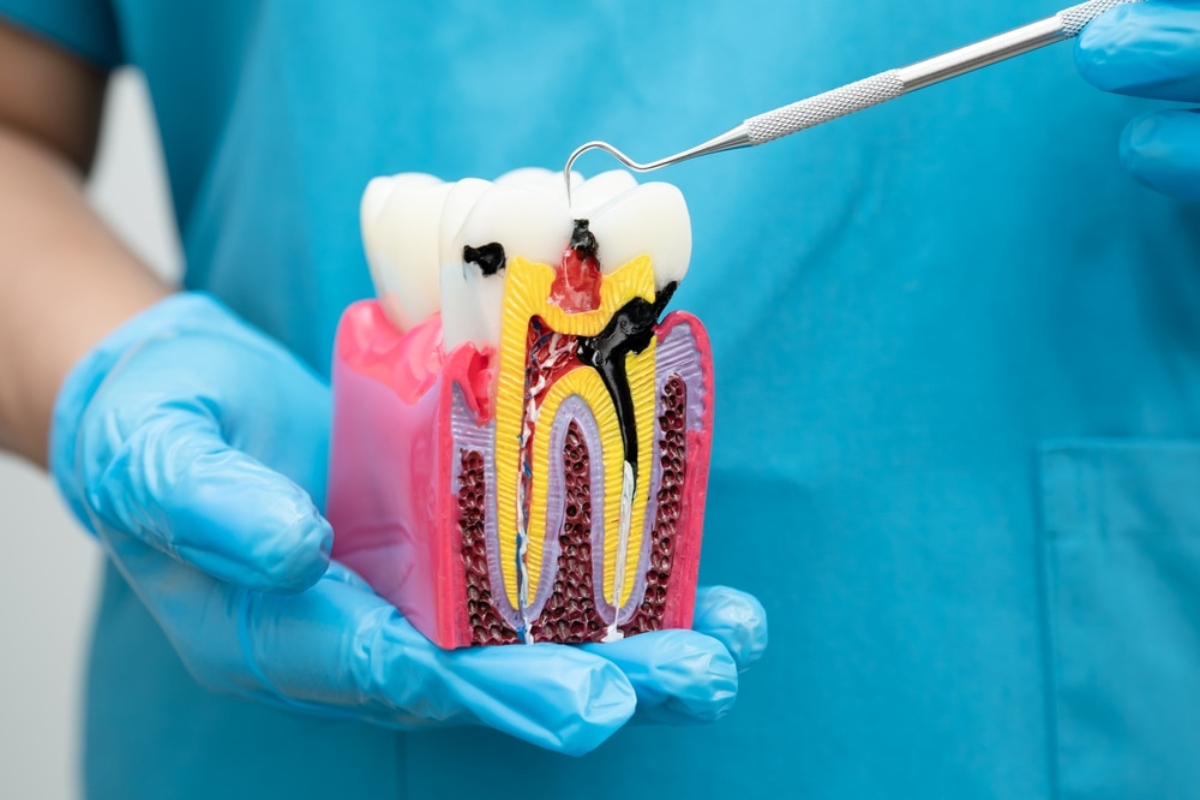
A toothache can be excruciating, often signaling a deeper issue within the tooth. While the mere mention of a root canal might send shivers down the spine, understanding the procedure’s significance can dispel myths and illuminate the path to saving and resurrecting a damaged smile.
The Anatomy of a Toothache: Unveiling the Culprit
A toothache is often the result of infection or inflammation within the tooth’s pulp—the soft tissue housing nerves, blood vessels, and connective tissue. When bacteria infiltrate this inner sanctum, it can lead to severe pain, swelling, and, if left untreated, the loss of the tooth.
The Root Canal Procedure:
Contrary to popular belief, a root canal is not a punishment; it’s a lifeline for a distressed tooth. The procedure involves removing the infected or inflamed pulp, cleaning and disinfecting the interior of the tooth, and then sealing it to prevent future infections. While the process may sound daunting, advancements in dental technology have made it a relatively painless and highly effective solution.
Preserving the Natural Beauty: Why Root Canals Matter
- Save the Tooth, Save the Smile: One of the primary goals of a root canal is to preserve the natural tooth. Unlike extractions, which result in a missing gap, a successfully treated tooth can function and appear just like any other tooth in the mouth.
- Preventing Further Complications: If left untreated, an infected tooth can lead to more significant oral health issues, such as abscesses, bone loss, and the spread of infection to neighboring teeth. Root canals nip these complications in the bud, preventing a cascade of dental problems.
- Maintaining Facial Structure: Losing a tooth doesn’t just impact your smile; it can also affect the overall structure of your face. Teeth play a crucial role in supporting facial muscles, and preserving them through root canal treatments helps maintain facial aesthetics.
The Procedure Unveiled: A Step-by-Step Journey to Recovery
- Diagnosis and Assessment: The journey to tooth resurrection begins with a thorough examination and diagnosis. X-rays help dentists assess the extent of the infection and determine if a root canal is necessary.
- Anesthesia and Comfort: Contrary to common fears, modern dentistry ensures that patients undergoing root canals are adequately anesthetized. Discomfort during the procedure is minimized, making the experience far less daunting.
- Pulp Removal and Cleaning: Once numb, the dentist accesses the tooth’s pulp chamber, removes the infected or inflamed pulp, and thoroughly cleans and disinfects the interior.
- Sealing the Tooth: With the root canal space cleared of infection, the dentist seals the tooth, preventing further bacterial intrusion. In many cases, a dental crown is placed on the treated tooth to enhance its strength and appearance.
Post-Root Canal Care: Tips for a Swift and Smooth Recovery
- Follow Post-Procedure Instructions: Dentists provide specific guidelines for post-root canal care. This often includes avoiding certain foods, taking prescribed medications, and maintaining good oral hygiene.
- Attend Follow-Up Appointments: Regular check-ups post-root canal are crucial to ensure the tooth is healing properly. Follow-up appointments allow the dentist to monitor progress and address any concerns promptly.
- Oral Hygiene is Key: A commitment to excellent oral hygiene, including regular brushing, flossing, and routine dental check-ups, is vital for the long-term success of a root canal.
Conclusion:
In the realm of dentistry, root canals serve as a beacon of hope for teeth on the brink. Far from being a dreaded procedure, a root canal is a chance at tooth resurrection—a lifeline that not only saves a distressed tooth but also restores a confident and beautiful smile. Understanding the importance of root canals can transform apprehension into empowerment, ensuring that individuals facing this procedure can approach it with knowledge, confidence, and the anticipation of a healthier, revitalized smile.