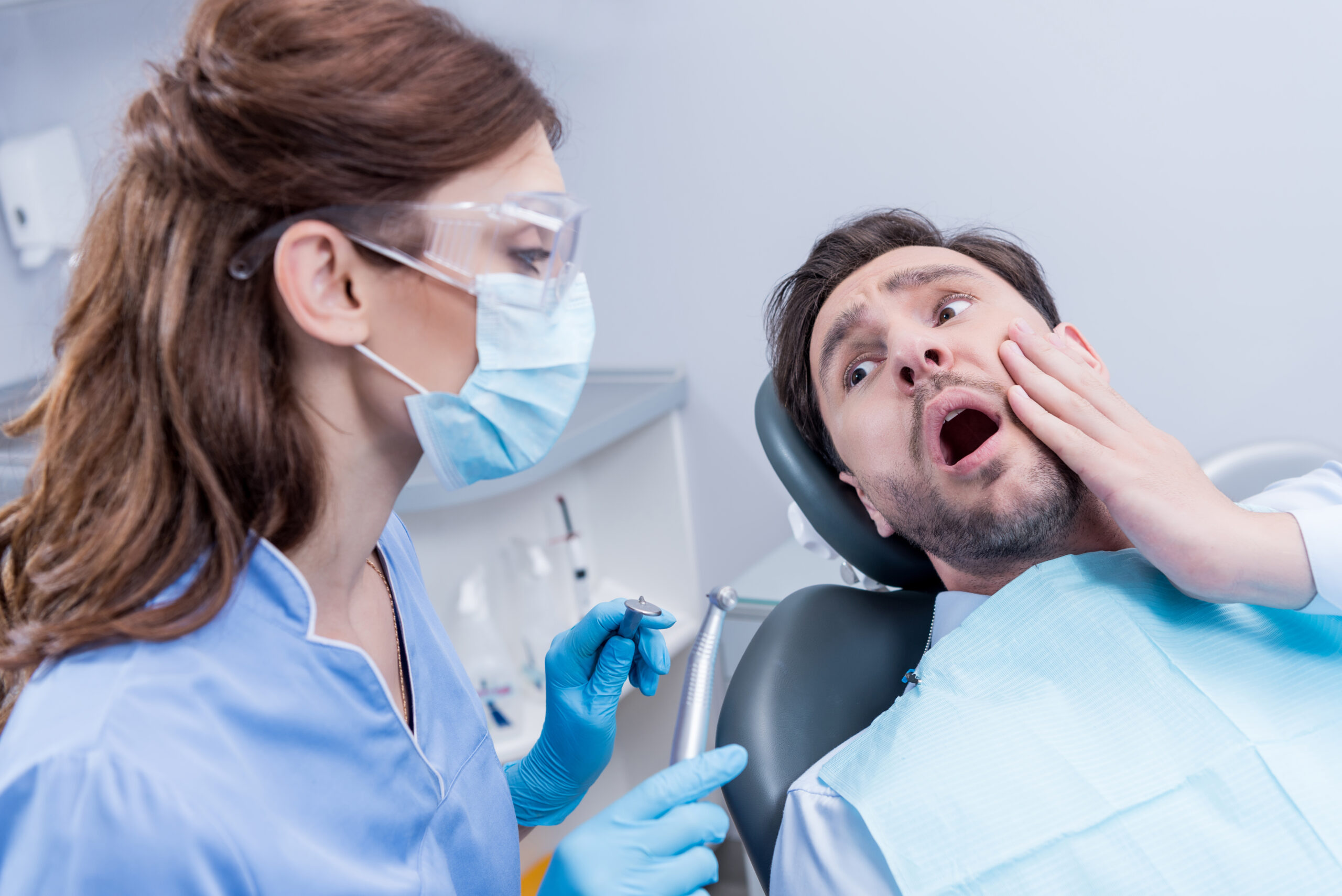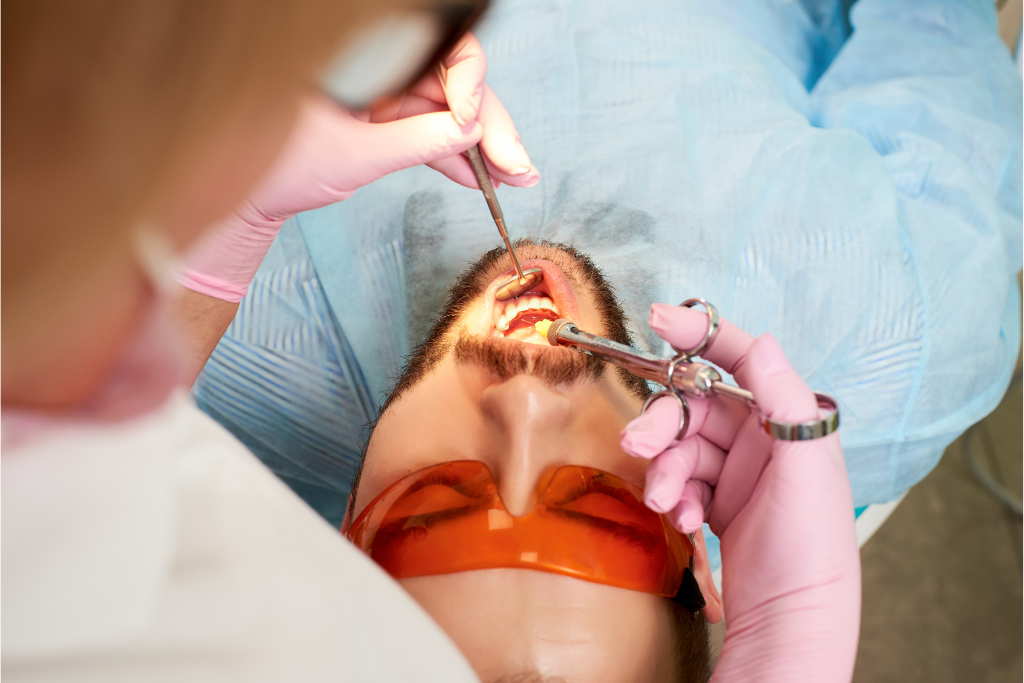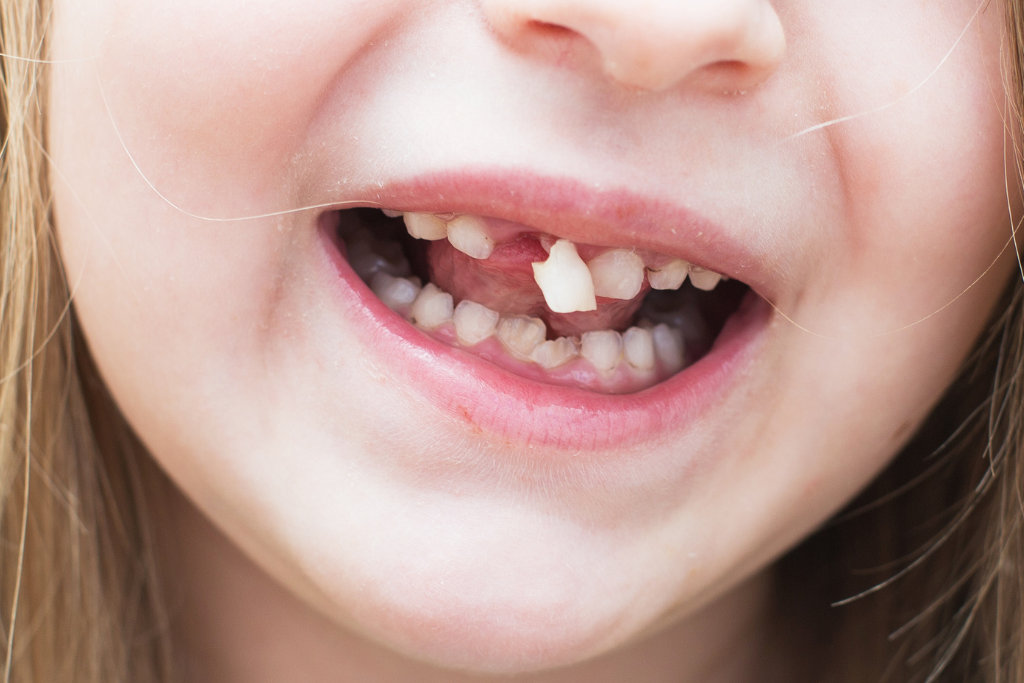
Dental emergencies can strike unexpectedly, causing pain and anxiety. Knowing how to navigate these situations and seeking prompt care can make all the difference in preserving oral health. In this guide, we unveil common dental emergencies and shed light on how an expert emergency dentist can provide the crucial assistance needed.
1. Knocked-Out Tooth: The Race Against Time
A knocked-out tooth demands swift action. Rinse the tooth gently, avoiding the root, and attempt to reinsert it into the socket. If that’s not possible, store it in milk or a tooth preservation kit. Seek immediate attention from an emergency dentist, as time is of the essence for successful reattachment.
2. Severe Toothache: A Cry for Attention
Intense tooth pain is a clear signal that something is amiss. Rinse your mouth with warm water, floss to dislodge any debris, and take over-the-counter pain relievers if needed. Schedule an emergency dental appointment to diagnose and address the root cause of the pain.
3. Broken or Fractured Tooth: Salvaging the Pieces
A broken or fractured tooth requires careful handling. Save any broken pieces, rinse your mouth with warm water, and use a cold compress to alleviate swelling. An emergency dentist can assess the extent of the damage and recommend appropriate restoration, such as dental bonding or a crown.
4. Lost Filling or Crown: Temporary Solutions
A lost filling or crown can expose sensitive tooth structures. While awaiting professional care, use over-the-counter dental cement or sugar-free gum to cover the affected area temporarily. An emergency dentist will evaluate the situation and provide a lasting solution to restore the dental restoration.
5. Abscessed Tooth: A Serious Infection
An abscessed tooth, marked by a painful, swollen bump on the gums, indicates a severe infection. Rinse your mouth with a mild saltwater solution and schedule an emergency dental visit promptly. Untreated abscesses can lead to systemic health issues, making swift intervention crucial.
6. Soft Tissue Injuries: Managing Oral Bleeding
Injuries to the lips, tongue, or cheeks that result in bleeding require immediate attention. Clean the affected area gently and apply a cold compress to control swelling. If bleeding persists, seek emergency dental care, as stitches may be necessary to promote proper healing.
7. Lost or Broken Orthodontic Appliances: Seeking Solutions
Malfunctioning braces, wires, or other orthodontic appliances can cause discomfort and pose oral health risks. Use orthodontic wax to alleviate irritation temporarily and contact your orthodontist for guidance. In case of significant damage, seek emergency dental care for timely repairs.
8. Trauma to the Jaw: A Dentist’s Expertise Matters
Injuries to the jaw, such as dislocations or fractures, necessitate immediate attention. Keep the jaw stable using a cloth or tie and head to the emergency room or an emergency dentist promptly. Timely intervention is crucial for addressing trauma-related dental issues effectively.
9. Foreign Object Lodged in Teeth: Caution and Care
If a foreign object is stuck between your teeth, attempt to dislodge it gently with dental floss. Avoid using sharp objects to prevent further damage. If unsuccessful, seek professional help from an emergency dentist to avoid potential complications.
10. Persistent Bleeding After Tooth Extraction: An Urgent Situation
Excessive bleeding after a tooth extraction requires immediate attention. Bite down on gauze to control bleeding and contact your dentist. If bleeding persists or is severe, seek emergency dental care to address potential complications and ensure proper healing.
Why an Emergency Dentist is Essential
Emergency dentists are equipped with the expertise and resources to handle urgent dental situations promptly. Their specialized training allows them to address a wide range of dental emergencies, offering immediate relief and long-term solutions. Seeking professional care ensures accurate diagnosis, appropriate treatment, and the preservation of oral health.
Conclusion:
Dental emergencies can be stressful, but knowing how to respond and seeking expert care promptly is crucial. Memorize these guidelines, and keep the contact information of an emergency dentist readily available. By taking swift and appropriate action, you can navigate dental emergencies with confidence, ensuring the best possible outcome for your oral health.