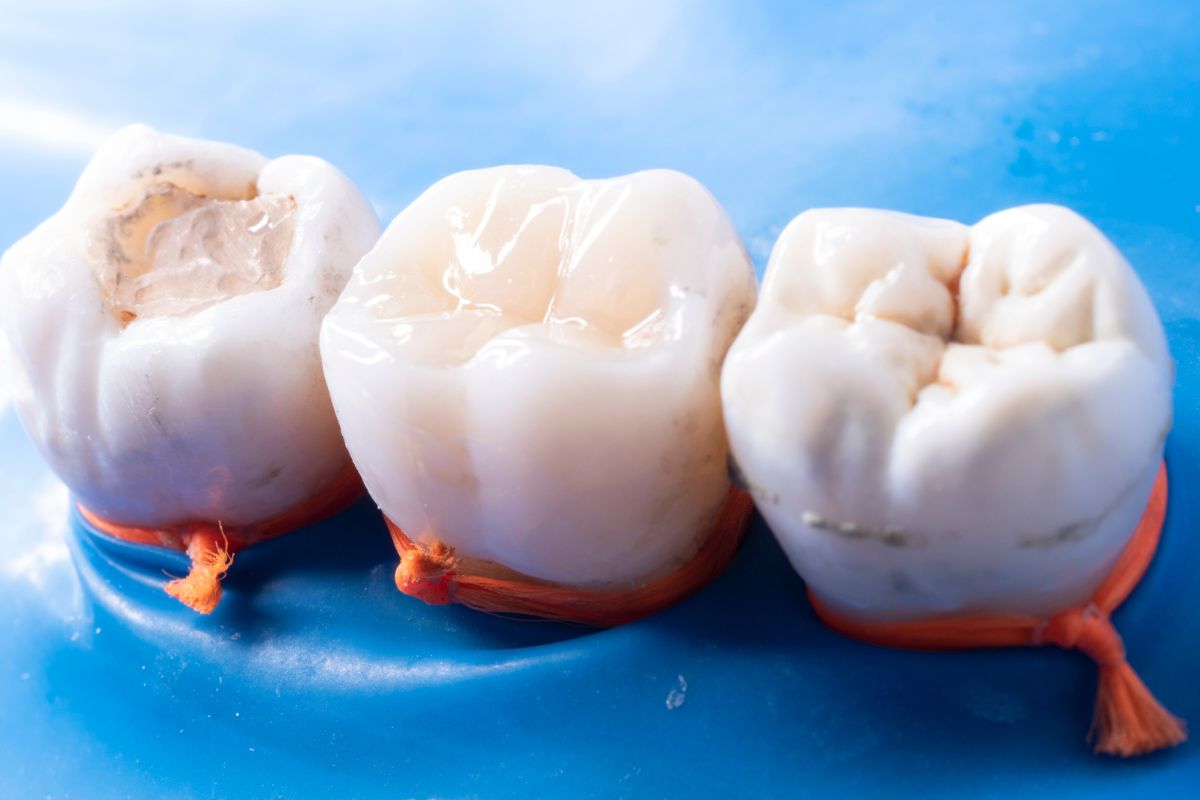
Ignoring a cavity might seem like a minor issue, but the consequences can be severe. A small, seemingly inconsequential spot on your tooth can quickly become a major dental problem if left untreated.
Dental fillings in Spring are crucial in maintaining oral health by stopping decay and restoring your tooth’s function. But what happens if you delay getting that filling?
From increased pain and sensitivity to more costly and complex treatments down the line, waiting can have serious repercussions. Dive into the risks of postponing cavity treatment and discover why timely action is essential for your dental well-being.
The Importance of Dental Fillings
Dental fillings are essential for treating cavities and preserving tooth health. When a tooth decays, it forms a cavity that can weaken the tooth and cause further damage. A filling restores the tooth’s structure by filling the space left by the decay. This not only halts the cavity’s progression but also shields the tooth from bacteria and further damage.
Fillings help maintain the tooth’s function, allowing you to chew and speak normally. They also prevent future complications, such as more severe decay or infections. In short, fillings are critical to maintaining a healthy, functional smile.
Consequences of Not Getting a Cavity Filled
If you put off getting a cavity filled, several things can happen:
Increased Decay: If left untreated, a cavity will continue to grow. The decay will spread deeper into the tooth, affecting more of its structure.
Tooth Sensitivity: An untreated cavity can cause increased sensitivity to hot, cold, or sugary foods and drinks. This sensitivity often signals that the tooth is in trouble.
Pain and Discomfort: As the decay progresses, it may cause pain. What starts as a minor ache can become a severe, constant pain.
Risk of Infection: If the cavity reaches the tooth’s nerve, it can lead to an infection or abscess. This condition often requires more intensive treatment, like a root canal.
Impact of Delaying Tooth-Colored Composite Fillings
Tooth-colored composite fillings are a popular choice for their aesthetic benefits. They blend seamlessly with your natural teeth. However, delaying these filings can have specific risks:
Increased Visibility of Damage: The damage becomes more visible as a cavity worsens, even with composite fillings. The longer you wait, the more noticeable the deterioration.
Complicated Repair: A composite filling might not be enough if decay progresses too far. You might need a more extensive repair, such as a crown.
Higher Cost: Waiting to get a filling can increase the cost of treatment. More extensive repairs often come with a higher price than early intervention.
How does Waiting for Dental Restorations Affect Oral Health?
Waiting too long to get a cavity filled impacts your overall oral health in the following ways:
Spread of Decay: Untreated cavities can lead to decay spreading to adjacent teeth. This can create a domino effect, damaging multiple teeth.
Gum Disease Risk: Severe decay and infection can contribute to gum disease. This can cause gum inflammation, bleeding, and even tooth loss.
Loss of Tooth Structure: Extensive decay can weaken the tooth’s structure, making it more vulnerable to fractures or breakage.
The Benefits of Timely Treatment
Addressing cavities with the appropriate filling materials promptly has many benefits.
Prevents Further Damage: Early treatment stops the decay from worsening, preserving your tooth’s health and structure.
Reduces Discomfort: Filling a cavity early minimizes pain and discomfort, making it easier to eat and speak without issues.
Saves Money: Timely dental treatment often costs less than waiting until the damage is more severe. In the long run, preventative care saves additional expenses.
What to Expect During a Filling Procedure
Getting a dental cavity filled is typically straightforward. Here’s what happens:
Assessment: Your dentist in Spring will examine the cavity and determine the extent of the decay.
Preparation: The affected area is cleaned and prepared for the filling. If necessary, anesthesia is administered to ensure comfort.
Filling: The cavity is filled with the chosen material, such as a composite resin. After that, the filling is polished and shaped to resemble your real tooth.
Avoiding dental fillings for a cavity can lead to a range of serious issues. The longer you wait, it can do more damage to your teeth. Early treatment prevents complications and saves you from unnecessary pain and higher costs.
If you suspect you have a cavity, make an appointment with your dentist as soon as possible. To book your consultation for cavity prevention with filling services, contact Vibe Dentistry Spring today.