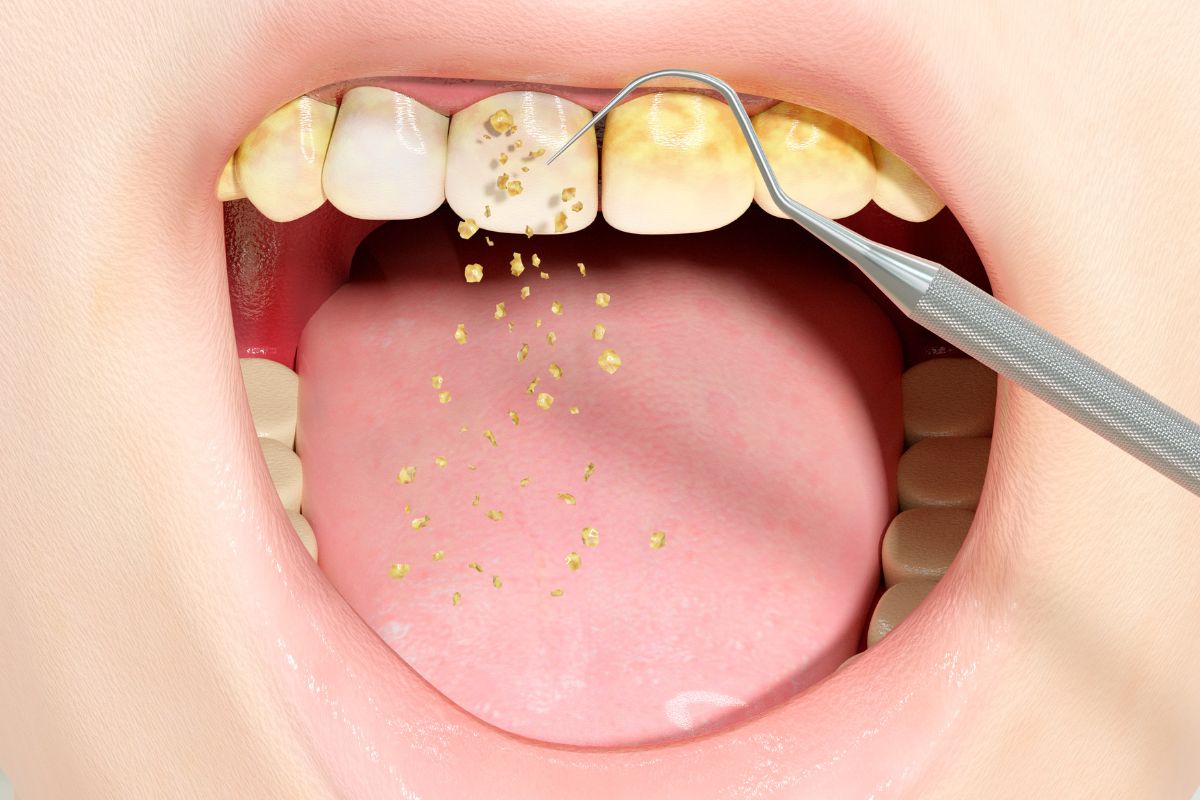
Plaque and tartar buildup are common dental issues that can have significant impacts on oral health. While plaque is a soft, sticky film of bacteria that forms on your teeth daily, tartar (or calculus) is hardened plaque that accumulates over time. Both can lead to dental problems like cavities, gum disease, and even tooth loss. Preventing and removing plaque and tartar is key to maintaining a healthy smile.
What Are Plaque and Tartar?
- Plaque
Plaque forms when bacteria from food particles mix with saliva and attach to the surfaces of your teeth. If not removed daily, plaque can begin to harden into tartar within 24-48 hours. - Tartar
Tartar forms when plaque is left to accumulate and hardens on the teeth. Unlike plaque, which can be removed through brushing, tartar requires professional dental cleaning to be effectively removed.
The Risks of Plaque and Tartar Buildup
Allowing plaque and tartar to build up can result in several dental health issues, including:
- Gum Disease: Tartar buildup along the gumline can lead to inflammation and gum disease, with symptoms like swelling, bleeding, and gum recession.
- Tooth Decay: Plaque acids wear down the enamel, creating cavities that compromise tooth strength and health.
- Bad Breath: The bacteria in plaque and tartar can produce odor-causing compounds, contributing to persistent bad breath.
According to the Centers for Disease Control and Prevention (CDC), over 47% of adults in the United States experience some form of gum disease by age 30. Taking care of plaque and tartar can reduce this risk and help maintain oral health.
Home Remedies for Managing Plaque
While professional dental cleanings are essential, certain practices can help manage plaque and prevent tartar formation at home.
1. Brush and Floss Regularly
Brushing your teeth twice daily and flossing once a day can significantly reduce plaque buildup. Use fluoride toothpaste and a soft-bristle brush to clean all surfaces of your teeth effectively.
2. Use a Plaque-Fighting Mouthwash
Incorporate an antibacterial mouthwash into your routine to help control plaque-causing bacteria. Look for products with the American Dental Association (ADA) Seal of Acceptance for quality assurance.
3. Try Oil Pulling
Oil pulling, especially with coconut oil, can reduce bacteria in the mouth. Swish a tablespoon of oil in your mouth for 10–15 minutes daily before brushing. Though not a replacement for brushing and flossing, it can be a beneficial addition.
4. Eat a Healthy Diet
Limiting sugary foods and drinks, which encourage plaque formation, can prevent excessive buildup. Instead, consume fibrous vegetables and crunchy fruits like apples and carrots, which help scrub your teeth naturally.
5. Drink Plenty of Water
Staying hydrated helps wash away food particles and neutralizes acids that promote plaque buildup. It also stimulates saliva production, a natural defense against plaque bacteria.
Why Professional Cleanings Are Essential
Even the best at-home care can’t remove tartar once it’s formed. Scheduling regular check-ups and cleanings with a dentist in Spring is essential to manage tartar buildup.
How Does a Dentist Remove Tartar?
During a dental cleaning, hygienists use scaling tools to remove tartar from the surfaces of your teeth and gums. This process not only prevents gum disease but also helps your teeth feel cleaner and fresher.
Recommended Frequency of Cleanings
The American Dental Association suggests visiting a dentist every six months for a routine cleaning. However, if you’re prone to tartar buildup or have a history of gum disease, your dentist in Spring may recommend more frequent visits.
Advanced Dental Treatments for Tartar Removal
If tartar has led to advanced dental problems like gum disease, additional treatments may be required:
- Scaling and Root Planing – This deep-cleaning procedure goes below the gum line, removing tartar and smoothing out the tooth roots to prevent bacteria from reattaching. Scaling and root planing are commonly recommended for early to moderate gum disease.
- Ultrasonic Cleaning – Some dentists use ultrasonic devices that use sound waves to break down and remove tartar from the teeth. This method is highly effective and generally more comfortable for patients.
- Laser Therapy – Laser treatments can target and remove tartar while minimizing damage to surrounding gum tissue. Laser therapy is effective for patients with advanced gum disease and can shorten recovery time.
The Benefits of Preventing Plaque and Tartar Buildup
- Improved Oral Health: Consistent plaque control prevents cavities and gum disease, leading to better long-term oral health.
- Better Aesthetics: Tartar buildup can lead to tooth discoloration. Preventing it keeps your teeth looking brighter.
- Lower Dental Costs: Managing plaque and tartar at home and with routine cleanings can reduce the need for more expensive procedures later.
The ADA notes that prevention-focused dental care can lead to up to 20% savings on dental costs over a lifetime, making it worth the investment in both time and money.
Conclusion: A Healthy Smile Starts with Prevention
Plaque and tartar are common but preventable issues. By practicing good oral hygiene at home and scheduling regular dental cleanings with a dentist in Spring, you can maintain a healthy, beautiful smile. With consistent effort and professional support, you can stay ahead of plaque and tartar, ensuring your dental health for years to come.