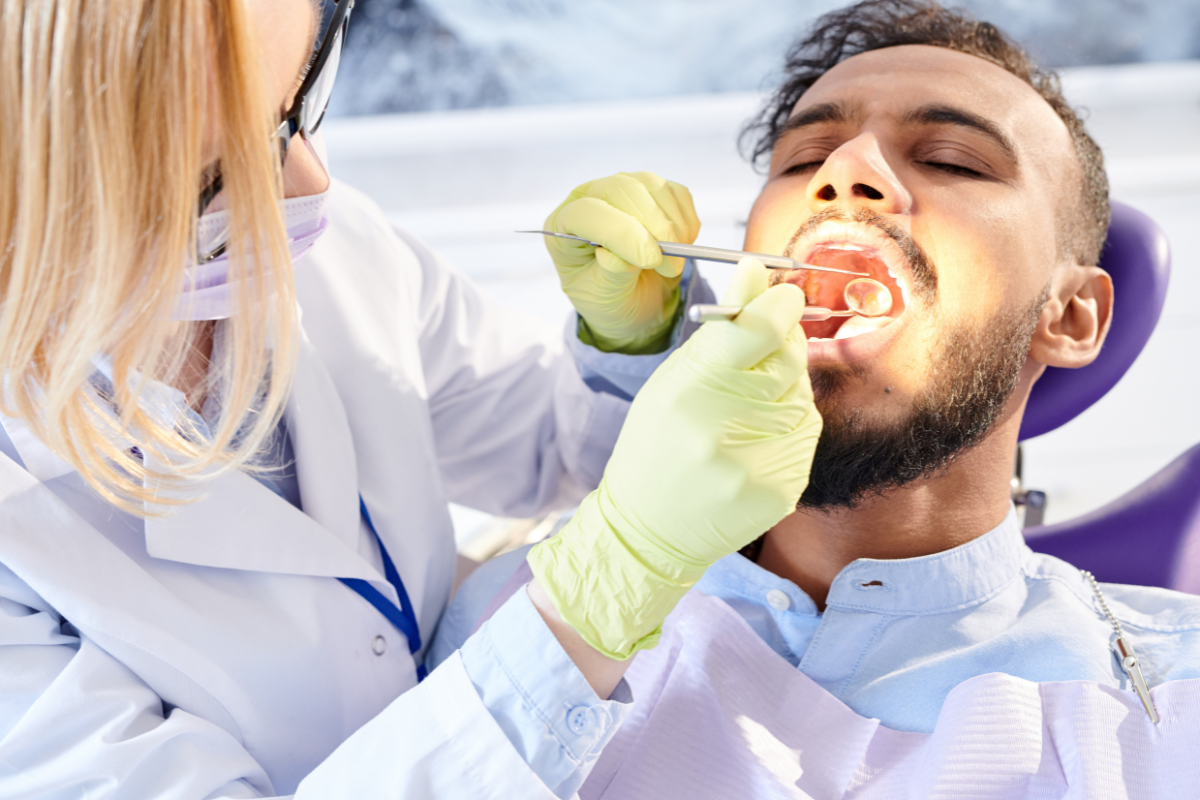
Your diet plays a huge role in maintaining a healthy smile, but did you know that certain foods can increase the risk of cavities, enamel erosion, and even gum disease? While regular dental checkups with a dentist in Spring are essential for maintaining oral health, being mindful of what you eat can make a big difference in preventing dental issues.
1. Sugary Snacks: The Leading Cause of Cavities
Why Sugar is Bad for Teeth:
Sugary treats, especially those that stick to your teeth, provide a feeding ground for harmful bacteria. When bacteria in the mouth consume sugars, they produce acid, which attacks tooth enamel and leads to decay. According to the American Dental Association (ADA), sugary snacks are one of the top contributors to dental issues, especially in children.
Worst Offenders:
- Hard candies
- Chewy candies (e.g., caramels, gummies)
- Cookies and pastries
Did You Know?
Studies show that nearly 90% of Americans consume more sugar than recommended daily, greatly increasing the risk of cavities.
2. Acidic Beverages: Soft Drinks, Sports Drinks, and Juices
Why Acids Erode Teeth:
Acidic drinks can erode the enamel over time, leading to sensitivity and discoloration. Even “diet” sodas, which have low or no sugar, still contain acids that can weaken your teeth.
Beverages to Limit:
- Sodas and diet sodas
- Sports and energy drinks
- Citrus juices (e.g., orange, lemonade)
Quick Tip:
If you drink acidic beverages, use a straw to minimize contact with teeth and rinse your mouth with water afterward to help neutralize acids.
3. Starchy Foods: More Than Just Empty Calories
How Starches Harm Teeth:
Foods high in starch, like chips, crackers, and pasta, can become trapped between teeth and are broken down into sugar by saliva. These sugars then attract bacteria, leading to decay.
Surprising Culprits:
- Potato chips
- Bread and crackers
- Pasta and rice dishes
Interesting Fact:
Research indicates that starches when combined with sugar, have an even higher risk of causing cavities than sugar alone.
4. Citrus Fruits: Good for Health, Risky for Teeth
Why Citrus Can Be Harmful:
Citrus fruits are high in vitamin C, but their high acidity can erode enamel, especially when consumed frequently. Lemon, orange, and grapefruit juices are highly acidic, which can make teeth more sensitive over time.
How to Safely Consume Citrus:
- Limit your intake of citrus fruits and juices.
- Drink water after consuming to neutralize acids.
- Avoid brushing immediately after consuming acidic foods to prevent erosion.
5. Sticky Foods: Hard to Clean, Easy to Harm
How Stickiness Contributes to Decay:
Sticky foods cling to teeth and can be challenging to remove, even with brushing. They allow bacteria to thrive, increasing the risk of decay.
Worst Sticky Foods for Teeth:
- Dried fruits (raisins, apricots)
- Syrupy foods (maple syrup, honey)
- Nut butter (especially those with added sugar)
Expert Advice from Your Dentist in Spring:
Try to choose fresh fruit over dried options, and if you indulge in sticky snacks, rinse your mouth with water or brush soon after.
6. Alcohol: Dehydrating and Damaging
Why Alcohol Affects Oral Health:
Alcohol dehydrates the mouth, reducing saliva production, which plays a vital role in washing away food particles and protecting against cavities.
High-Risk Alcoholic Beverages for Teeth:
- Wine (red can stain; white is acidic)
- Beer and spirits
- Cocktails with high sugar content
Did You Know?
Chronic alcohol consumption can lead to dry mouth, increasing the risk of tooth decay. Maintaining hydration by drinking water between alcoholic drinks can help reduce these effects.
7. Ice: A Surprising Risk to Your Teeth
Why Ice is Harmful:
While ice itself is sugar-free, chewing on ice can chip or crack your teeth. Damaged teeth are more vulnerable to decay and may require costly dental treatments.
Tips to Break the Habit:
- Opt for chilled drinks without ice.
- Chew sugar-free gum if you feel the urge to crunch on something.
Fact:
Dentists report that ice chewing is a common cause of enamel damage and dental injuries.
Conclusion: Making Healthier Choices for Stronger Teeth
While avoiding these foods altogether may not be realistic, being mindful of the effects of certain foods and drinks can help you maintain a healthy smile. Remember to drink plenty of water, maintain regular brushing and flossing habits, and schedule regular appointments with a dentist in Spring. Staying proactive about dental health will not only keep your teeth strong but can also help prevent costly dental treatments in the future.
Incorporating healthier choices in your diet and limiting harmful foods can make a significant difference in your oral health. For personalized advice, visit a trusted dentist in Spring, who can offer tailored recommendations to protect and enhance your smile.