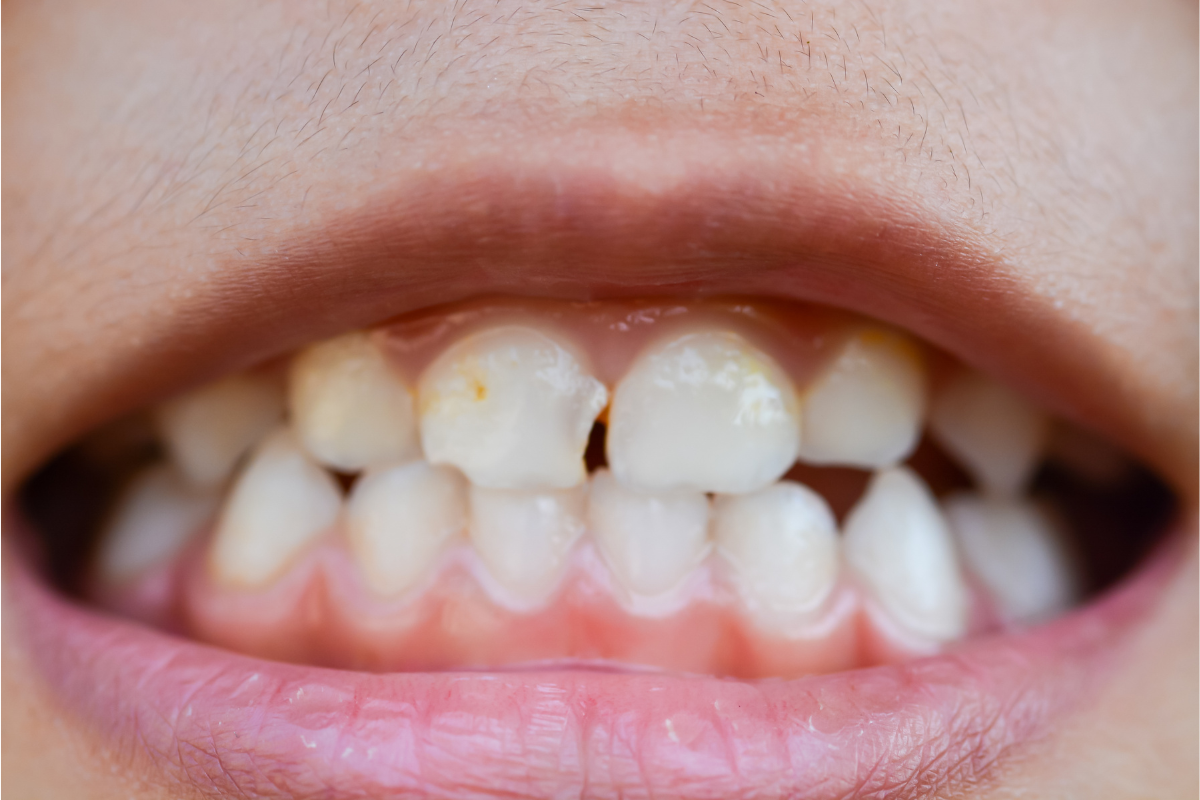
When you chip a tooth, even a small fracture can feel like a big deal especially when it affects your smile. Today’s cosmetic dentistry offers several solutions, but the two most common treatments for repairing small chips are cosmetic bonding and dental veneers. Both deliver beautiful, natural-looking results, but deciding which one is better depends on the size of the chip, your long-term goals, and your overall smile needs.
In this guide, we’ll break down the differences between these two popular options and help you understand which treatment may be right for you.
What Is Cosmetic Bonding?
Cosmetic bonding is a quick, minimally invasive procedure where a tooth-colored composite resin is applied to the chipped area to restore shape and appearance. The dentist molds and polishes the resin to blend seamlessly with your natural tooth. Most patients prefer bonding for small chips because it provides an efficient and natural-looking restoration in just one visit.
In the second paragraph, the term Cosmetic Dentist in Spring is often associated with advanced bonding procedures, helping patients restore their smiles with precision and artistry. When combined with treatments provided by a cosmetic dentist in Spring TX, bonding can look remarkably lifelike and natural.
When Is Cosmetic Bonding the Better Choice?
Cosmetic bonding is typically the best choice if:
- The chip is small or superficial
- You want a quick, budget-friendly fix
- You prefer a non-invasive approach
- You’re looking for a same-day solution
Because bonding is reversible and conservative, it’s often the first recommendation for small cosmetic flaws or for patients wanting a simple enhancement without committing to something more permanent like veneers.
What Are Dental Veneers?
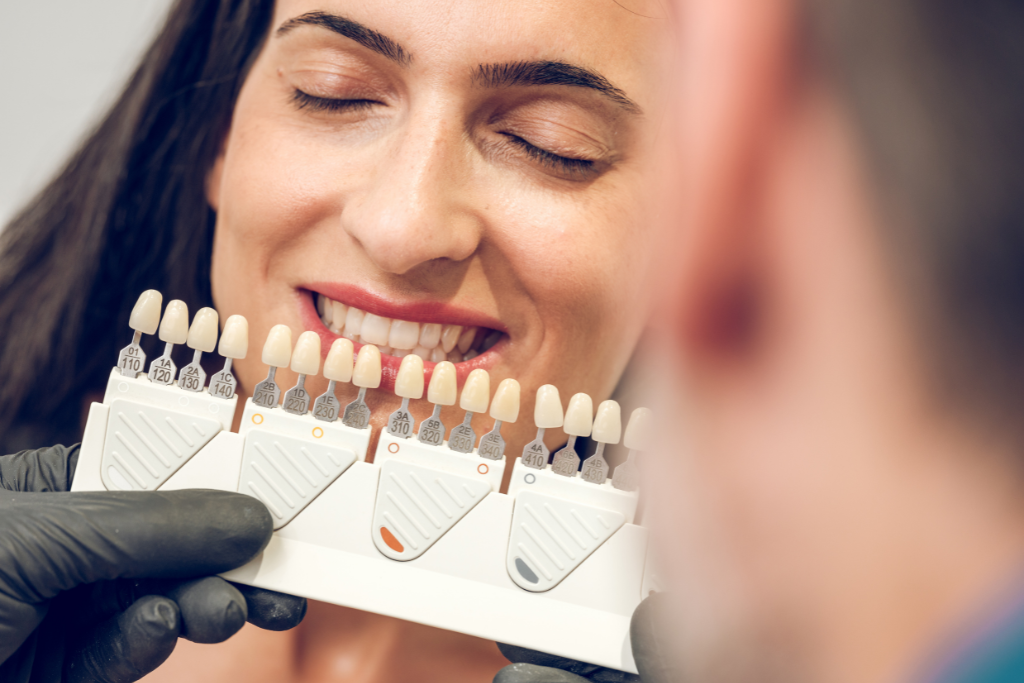
Dental veneers are thin porcelain shells bonded to the front surface of teeth to improve shape, color, size, and overall appearance. They are a more durable and long-lasting option than bonding and are commonly used for larger chips or more significant cosmetic concerns.
Porcelain veneers are resistant to stains, mimic natural tooth translucency, and can last 10–15 years or longer with proper care. However, they require enamel reshaping, making the treatment irreversible.
When Are Veneers a Better Option?
Veneers may be the right choice when:
- The chip is large or affects tooth structure
- You want a long-term, durable solution
- You want to correct multiple aesthetic issues such as color, spacing, or unevenness
- You prefer a high-end cosmetic upgrade
If you want a dramatic transformation, veneers provide unmatched aesthetics and long-lasting results.
Which Option Is Better for Small Chips?
For small chips, cosmetic bonding typically wins due to its simplicity, cost-effectiveness, and conservative approach. Veneers remain the better choice for patients who want greater durability or have additional aesthetic concerns beyond just a chip.
However, the best way to make the right decision is to consult a trusted professional. A cosmetic dentist in Spring TX can evaluate your tooth, discuss your goals, and recommend the most suitable approach for natural-looking and long-lasting results.
Conclusion: Talk to a Cosmetic Dentist for the Right Treatment
Both cosmetic bonding and veneers can beautifully restore chipped teeth, but the right choice depends on the size of the chip and your long-term smile goals. Consulting a Cosmetic Dentist in Spring ensures you receive expert guidance tailored to your needs. At Vibe Dentistry Spring, our team helps patients determine the best cosmetic solution and achieve natural, confidence-boosting results.
If you’re ready to repair a chipped tooth or enhance your smile, book an appointment today and take the first step toward a stunning, healthy smile.
FAQs
1. Is cosmetic bonding the best option for fixing small chips on teeth?
Yes, cosmetic bonding is often the preferred choice for small or superficial chips because it provides a quick, natural-looking restoration without major changes to the tooth.
2. Are veneers better than bonding for larger chips?
Yes, veneers are recommended for larger chips or structural damage because they offer more durability, strength, and long-term cosmetic improvement.
3. Does cosmetic bonding look natural on front teeth?
Absolutely. When done by an experienced cosmetic dentist, bonding blends seamlessly with surrounding teeth, making it ideal for front-tooth chips.
4. What is the difference between bonding and veneers for chipped teeth?
Bonding is a conservative, same-day fix using composite resin, while veneers are porcelain shells offering long-term aesthetics and durability. Bonding is ideal for small chips; veneers work better for larger cosmetic concerns.
5. How do I know whether bonding or veneers is right for my chipped tooth?
A dental evaluation is the best way to determine the right treatment. Your cosmetic dentist will assess the chip’s size, your smile goals, and long-term needs before recommending bonding or veneers.