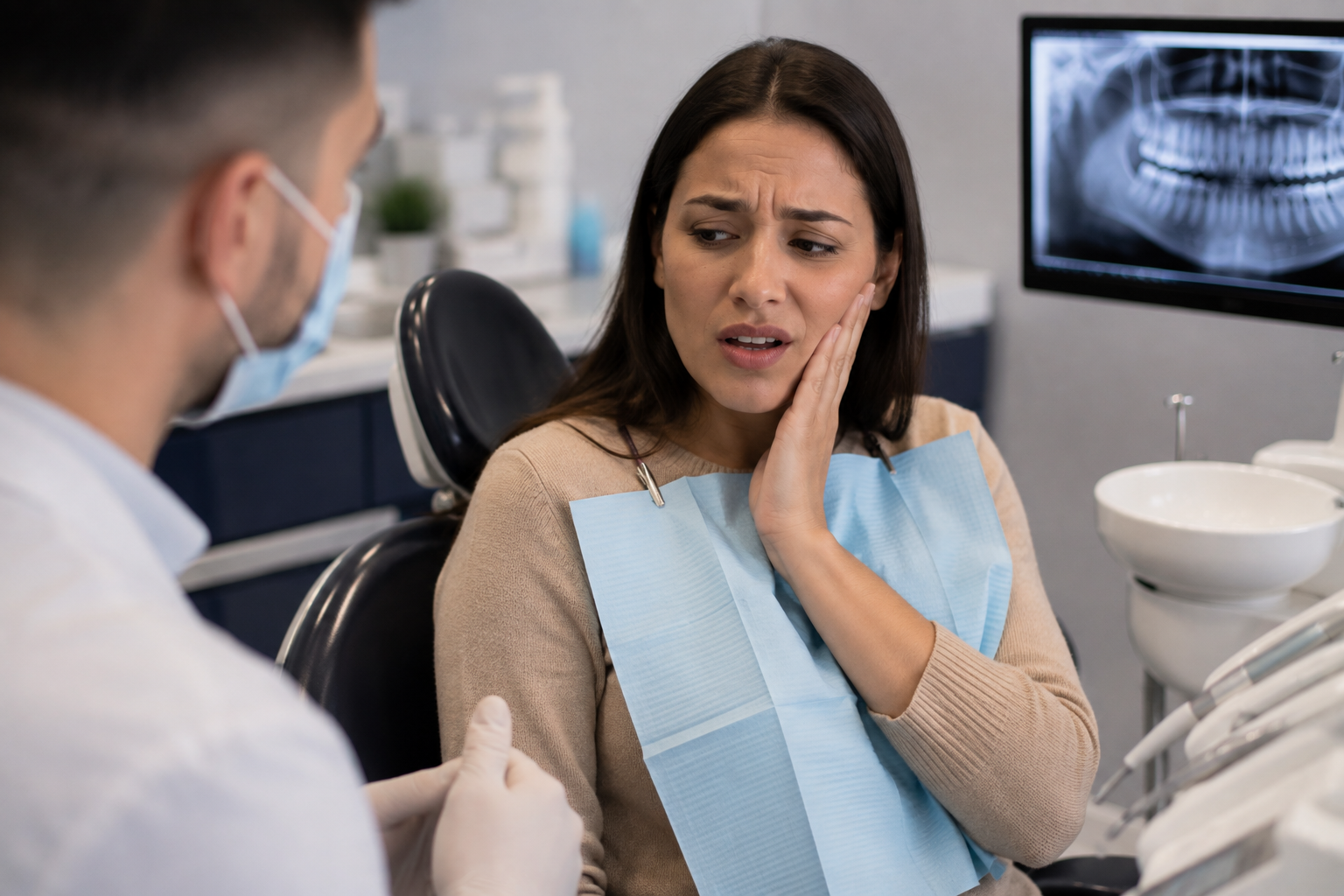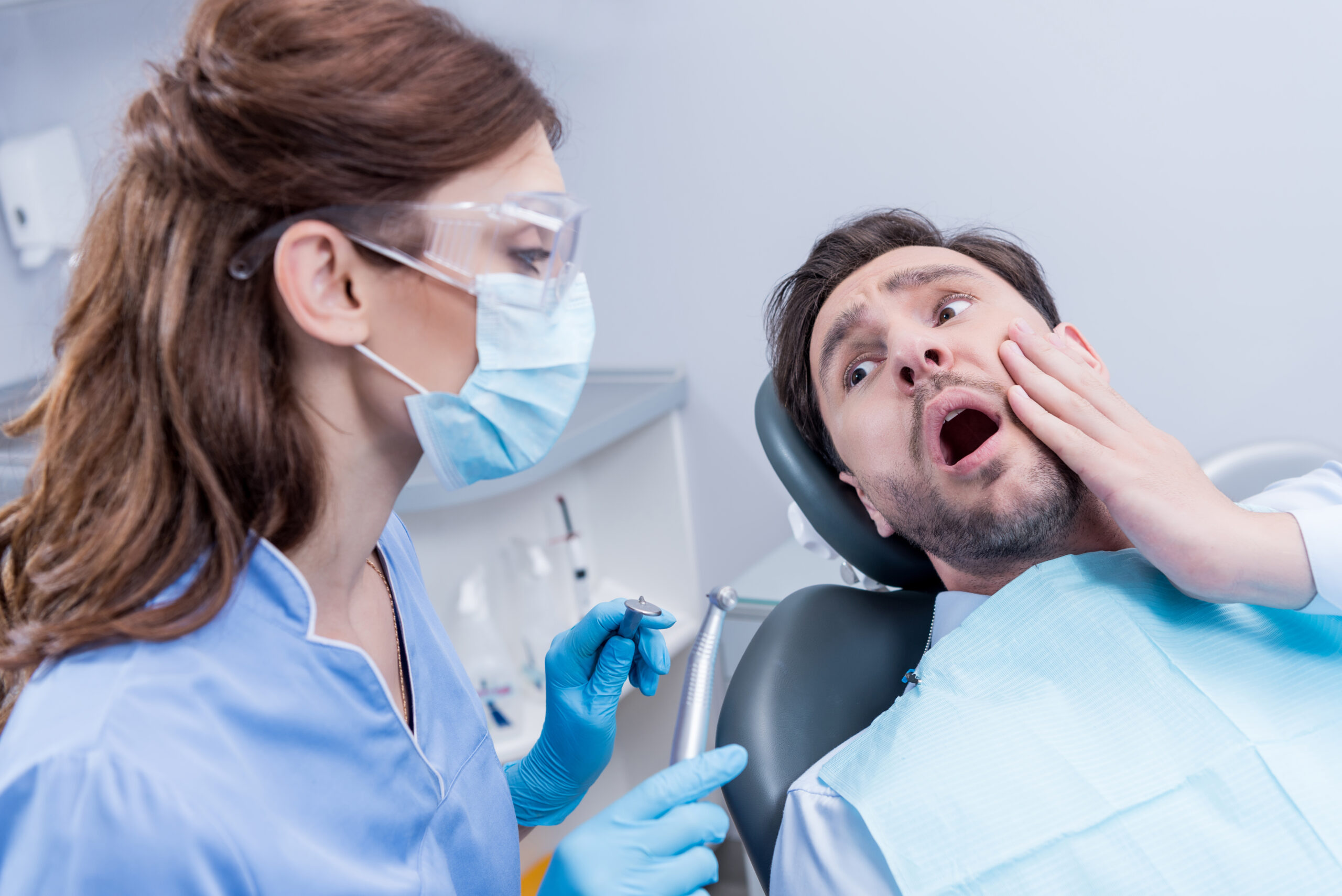
A broken tooth can stop you in your tracks. One moment everything is fine, and the next you’re holding a piece of your tooth and wondering what to do. If a broken tooth got you panicking, here’s what to do right now—stay calm, because you have options. If you need an emergency dentist Spring TX, Dr. Tanya Rachan and the team at Vibe Dentistry are here to walk you through every step.
Acting quickly matters. How you handle the next few hours can protect your tooth and reduce pain. This guide gives you clear, practical steps to follow before you reach our office.
What to Do Right Now: Tips from an Emergency Dentist Spring TX
First, take a breath. A broken tooth is stressful, but panicking makes it harder to act wisely. Start with these immediate steps to protect your mouth and your tooth fragment:
-
Rinse gently with warm water to clean the area.
-
Save the fragment if you can find it—store it in a small container with milk or saliva.
-
Apply gentle pressure with clean gauze if there is any bleeding.
-
Use a cold compress on the outside of your cheek to reduce swelling.
-
Take over-the-counter pain relief like ibuprofen to manage discomfort.
-
Cover any sharp edges with dental wax or sugarless gum to protect your tongue and cheek.
Do not try to glue your tooth back together. Household adhesives are toxic and can cause more damage. Your safest move is to contact an emergency dentist in Spring TX as soon as possible for an urgent appointment.
What to Avoid After Breaking a Tooth
Knowing what not to do is just as important as knowing what to do. The wrong actions can turn a manageable situation into a more serious dental problem.
Avoid biting down on the broken side of your mouth. Even soft foods can increase pressure on an already vulnerable tooth. Steer clear of extreme temperatures too—both very hot and very cold foods can trigger sharp pain in exposed tooth nerves.
Do not poke at the tooth with your fingers or tongue more than necessary. Introducing bacteria from your hands can increase the risk of infection. Skip alcohol-based mouthwashes as well—they can irritate exposed tissue and make pain worse.
-
Avoid hard, crunchy, or sticky foods.
-
Skip hot drinks like coffee or tea.
-
Do not use super glue or any adhesive on the tooth.
-
Avoid placing aspirin directly on the gum—it can cause tissue damage.
-
Do not ignore the break, even if pain fades—hidden damage can worsen quietly.
Pain sometimes subsides on its own, but that does not mean the problem has resolved. A crack or break can expose the inner pulp of your tooth to bacteria. Getting professional care quickly from a Dentist Spring TX relies on is always the right call.
Understanding the Type of Break You Have
Not every broken tooth is the same. The severity of your break affects what treatment you will need. Understanding the difference helps you describe your situation clearly when you call our Spring dentist office.
A chipped tooth involves a small piece of enamel breaking off. It often causes minimal pain and may only need smoothing or bonding. A cracked tooth can extend from the surface down toward the root. This type is more serious and can cause intermittent pain when chewing.
A split tooth means the crack has divided the tooth into separate segments. This usually requires more involved treatment. A broken cusp happens when a piece of the chewing surface breaks off, often around an old filling. Finally, a root fracture starts below the gumline and may not be visible at all—these are often only detected with X-rays.
Describing your symptoms in detail when you call helps Dr. Rachan prepare for your visit. Mention whether you feel pain constantly or only when biting, and whether cold or heat triggers sensitivity.
What to Expect at Your Emergency Dental Visit
Walking into a dental office with a broken tooth can feel intimidating. Knowing what happens during your visit takes away some of that anxiety. At Vibe Dentistry, our goal is to make you comfortable and address your concern efficiently.
Dr. Rachan will begin with a thorough examination of the tooth and surrounding area. She will likely take digital X-rays to assess the depth of the break and check the root structure. This gives her a complete picture before recommending any restorative treatment.
Depending on the severity, treatment options may include:
-
Cosmetic bonding in Spring — for minor chips, a tooth-colored resin is expertly shaped and hardened onto the tooth.
-
Dental Fillings Spring — used when a small portion has broken away, often near a previous restoration.
-
Dental Crown Spring — a custom crown is placed over the vulnerable tooth to restore its shape, strength, and function.
-
Root Canal Treatment Spring — highly recommended if the inner pulp is exposed, inflamed, or infected.
-
Tooth extraction — considered only as a last resort when the tooth cannot be safely saved.
The team at Vibe Dentistry explains every option before proceeding. You will never feel rushed or pressured. Your comfort and understanding come first.
Protecting Your Teeth Before a Break Happens
Prevention is always better than treatment. Once you have recovered from a broken tooth, it is worth thinking about how to protect your smile going forward. Dr. Rachan and our team offer several ways to strengthen your teeth proactively.
If you grind your teeth at night, a custom nightguard can prevent cracking while you sleep. Wearing a mouthguard during contact sports also significantly reduces the risk of dental trauma. These small investments protect your teeth for years to come.
For younger patients and those with deep grooves in their back teeth, dental sealants offer a protective coating that helps prevent decay and structural weakness. Sealants are a simple, painless preventive treatment that adds a durable barrier to tooth surfaces. Regular checkups also give your dentist the opportunity to spot small cracks or weaknesses before they become emergencies.
When to Seek Immediate Emergency Dental Care
Some dental situations require urgent attention—do not wait overnight or over a weekend if you experience any of the following warning signs:
-
Severe, throbbing pain that does not respond to pain relievers.
-
Visible bleeding that does not stop after 10 minutes of pressure.
-
Signs of infection such as swelling, fever, or a bad taste in your mouth.
-
A tooth that has been knocked completely out.
-
Significant trauma to the jaw or face.
These symptoms suggest the break may have reached the nerve or that infection is developing. Both situations require prompt professional treatment to prevent complications. Do not delay—contact Vibe Dentistry right away.
If you find yourself frantically searching for a “dentist near me” during a crisis, know that Spring residents have access to compassionate, same-day care with Dr. Tanya Rachan. As a leading emergency dentist in Spring, our team prioritizes urgent patients and works to see you as quickly as possible. You do not have to manage a dental crisis alone.
Whether your break is minor or severe, Vibe Dentistry is ready to help you get back to smiling with confidence. Book Now to schedule your appointment with our team.
Frequently Asked Questions
Can a broken tooth heal on its own? No, a broken tooth cannot heal by itself. Teeth do not have the ability to regenerate lost structure. Without treatment, a broken tooth can worsen over time, leading to infection, pain, or tooth loss. Always see a dentist as soon as possible.
Is a broken tooth a dental emergency? It depends on the severity. A small chip with no pain may not require same-day care, but significant breaks, exposed nerves, or heavy bleeding are absolute dental emergencies. When in doubt, call Vibe Dentistry and describe your symptoms—we will help you determine how urgently you need to be seen.
What if my broken tooth does not hurt? A painless break can still be serious. The lack of pain may mean the nerve is not yet affected, but bacteria can still enter the tooth and cause infection over time. You should still schedule an appointment promptly to assess the full extent of the damage.
How long can I wait before seeing a dentist for a broken tooth? Ideally, you should seek care within 24 to 48 hours. Waiting longer increases the risk of infection, further breakage, and more complex treatment needs. If you experience pain, swelling, or bleeding, treat it as an emergency and contact us right away.
Will my broken tooth need to be pulled? Extraction is usually a last resort. Most broken teeth can be restored with bonding, a crown, or root canal therapy depending on the severity. Dr. Rachan will always explore every option to save your natural tooth before recommending removal.