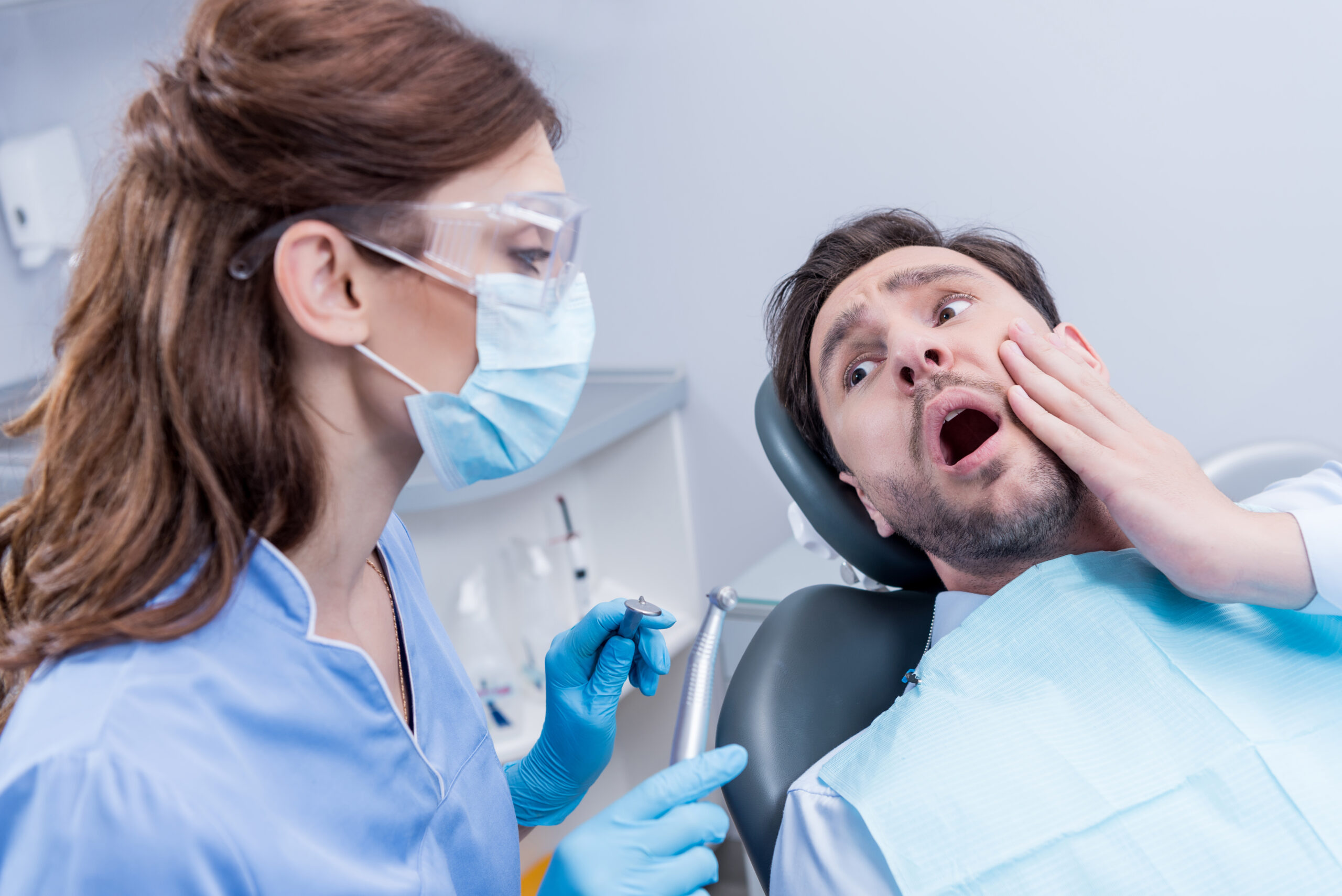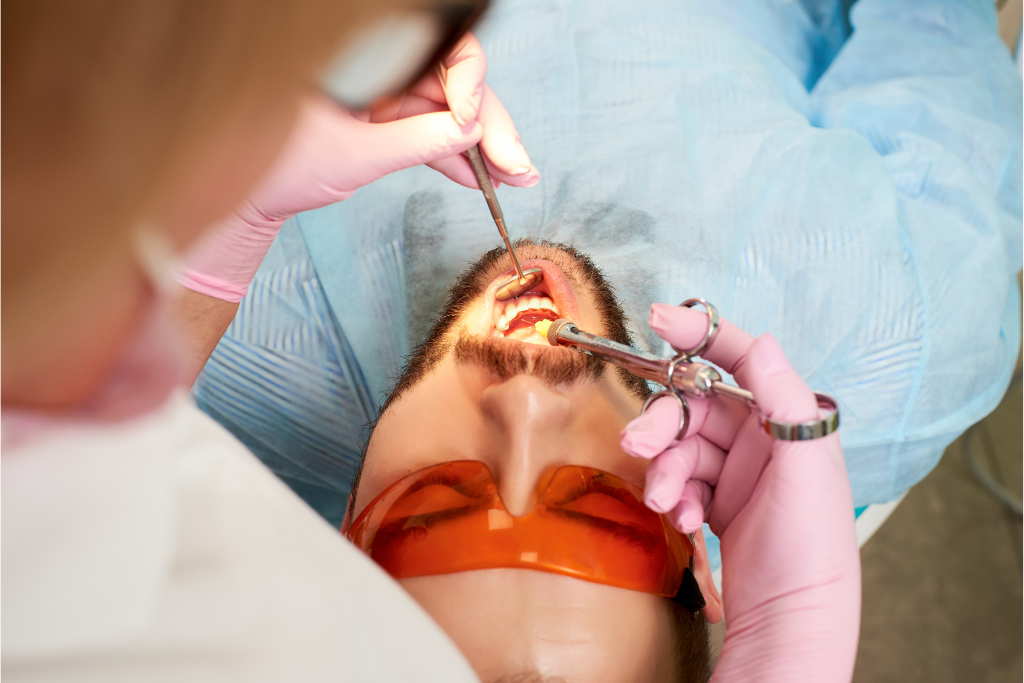
Are you tired of those unexpected dental emergencies that ruin your day and leave you with aching teeth and broken smiles? We’ve all been there, desperately searching for a solution while enduring excruciating pain. But fear not! In this blog post, we’re diving deep into the world of common dental emergencies and equipping you with the knowledge to handle them like a pro. From sudden toothaches to chipped teeth, we’ve got your back (and your smile) covered. Get ready to turn those frowns upside down as we reveal the secrets to dealing with dental emergencies like never before!
Dental Emergency
1: Toothache
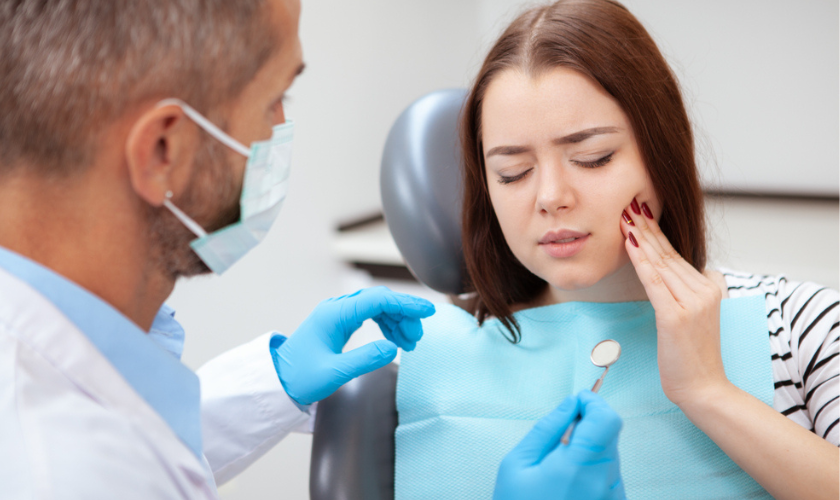
If you’re dealing with a toothache, the first thing you should do is rinse your mouth with warm water. Then, use dental floss to remove any food or other debris that may be caught between your teeth. If the pain is severe, you may want to take an over-the-counter pain reliever such as ibuprofen.
It is essential to visit a dentist as soon as possible if the pain continues. A cavity, an infection, or even something as simple as food caught between your teeth can all contribute to a toothache.
2: Broken Tooth
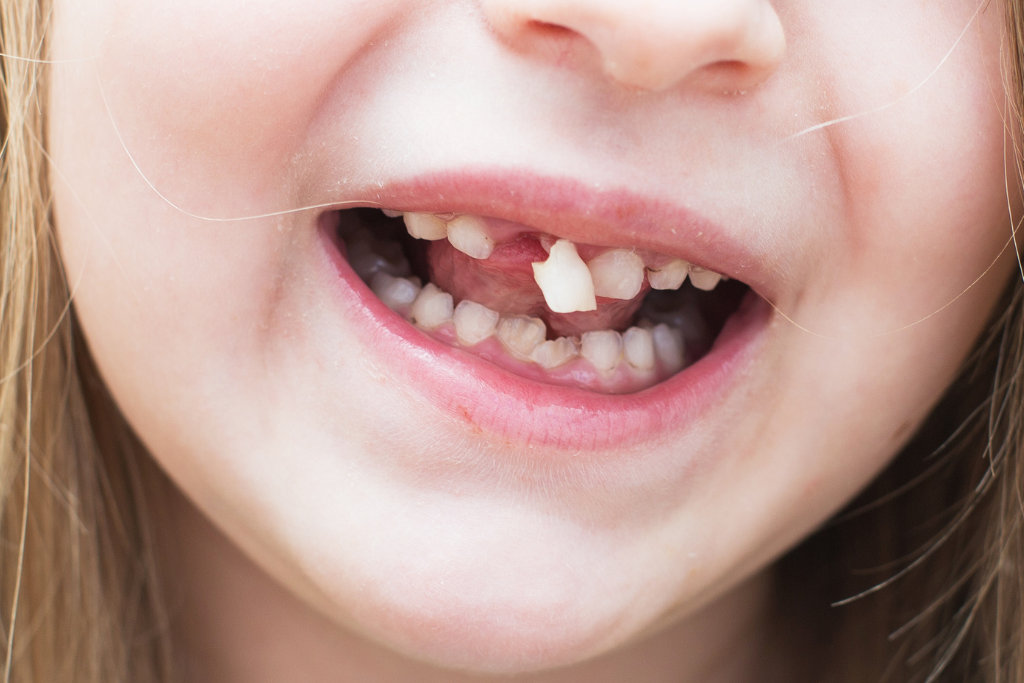
When you have a broken tooth, it’s important to seek dental care as soon as possible. A broken tooth can be a very painful experience, and it can also lead to other problems if it’s not treated properly. If you have a broken tooth, you may need to have it extracted or repaired. In some cases, a broken tooth can be repaired with a simple filling. However, if the break is severe, you may need more extensive treatment, such as a root canal or dental crown.
3: Lost Filling or Crown
If you have a lost tooth filling or crown, it’s important to seek dental care as soon as possible. A lost tooth filling or crown can cause pain and sensitivity, and if left untreated, can lead to more serious dental problems.
If you have a lost tooth filling or crown, your first step should be to contact your dentist. If you don’t have a regular dentist, you can find one in your area by visiting the American Dental Association website. Once you’ve found a dentist, make an appointment for an examination and to have the tooth repaired.
In the meantime, there are a few things you can do to help relieve pain and sensitivity:
Rinse your mouth with warm water.
Place a piece of sugarless gum or dental cement over the exposed tooth. Be sure not to use anything with sugar, as this can make the problem worse.
Take over-the-counter pain medication such as ibuprofen or acetaminophen.
If you experience severe pain or discomfort, please see your dentist or go to the emergency room immediately.
4: Soft Tissue Injury
If you’ve suffered a soft tissue injury to your mouth, you may be feeling pain, swelling, and/or bleeding. These are all common symptoms of a soft tissue injury, and they can range from mild to severe.
If you have a mild soft tissue injury, you may be able to treat it at home with some simple self-care measures. For example, if you have a small cut or abrasion in your mouth, you can rinse it with warm water and apply a topical oral anesthetic such as Orajel to help relieve pain. If you have a more serious injury, however, such as a laceration or avulsion (when a tooth is completely knocked out), you’ll need to see a dentist right away.
At the dentist’s office, he or she will clean and assess the wound and determine whether you need stitches. In some cases, a dental professional may also recommend that you see an oral surgeon for more complex treatment.
Tips for Dealing with a Dental Emergency
When you have a dental emergency, time is of the essence. The faster you can get to a dentist or oral surgeon, the better your chances are of saving your tooth. Here are some tips for dealing with common dental emergencies:
If you have a tooth that has been knocked out, try to find it and bring it with you to the dentist. Rinse it off gently with water but do not scrub it or remove any tissue attached to it. If possible, insert the tooth back into its socket and bite down on a gauze pad to keep it in place. If you cannot insert the tooth back into its socket, put it in a cup of milk or salt water.
When you have a cracked or chipped tooth, rinse your mouth with warm water and apply a cold compress to your face to reduce swelling. If necessary, you can also take over-the-counter painkillers. See your dentist as soon as possible so they can repair the damage.
If you have severe pain from a toothache, rinse your mouth with warm water and floss gently around the affected tooth to remove any food particles that may be causing the pain. You can also take over-the-counter pain medication if needed. See your dentist as soon as possible so they can determine the cause of the pain and treat it accordingly.
Conclusion
Dental emergencies can be frightening and disorienting. However, with the right knowledge and preparation, you can better manage a dental emergency or prevent one from happening in the first place. Remember to always keep your dentist’s contact information handy so that you can call for assistance if needed. Additionally, taking preventive measures such as brushing twice daily and flossing regularly will help reduce your risk of developing common dental issues like tooth decay or gum disease which could lead to an emergency situation. Taking care of your teeth is essential for maintaining good oral health – don’t forget it!