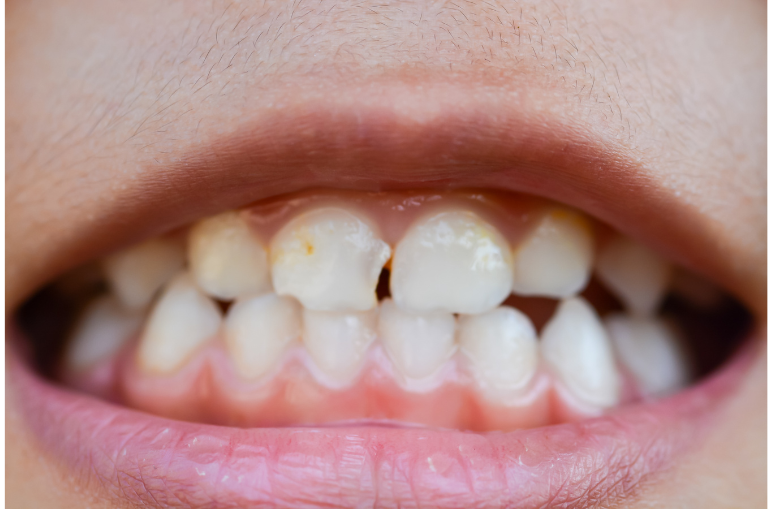
You’re brushing your teeth one morning and notice a faint line on one tooth. It doesn’t hurt. No sharp pain, no sensitivity, no swelling. So you move on with your day, assuming it’s nothing serious.
This is a common reaction but it’s also one of the biggest mistakes people make when it comes to cracked teeth.
A tooth doesn’t have to hurt to be damaged. In fact, many cracked teeth stay painless for weeks or even months, quietly worsening beneath the surface. By the time discomfort appears, the crack may already be deeper and harder to treat. Understanding what’s happening early can help you protect your smile and avoid complex dental procedures later.
Why a Cracked Tooth May Not Hurt at First
Not all cracks affect the nerve immediately. Some only involve the outer enamel, which has no nerve endings. Others may open and close slightly when you chew, causing irritation that comes and goes.
In everyday life especially with busy schedules, stress, and habits like teeth grinding—small cracks can develop without warning. Many people in Spring notice these cracks during routine brushing or while looking closely in the mirror, not because of pain.
Just because a tooth is quiet doesn’t mean it’s healthy.
Types of Cracks That Often Go Unnoticed
Some dental cracks are subtle and easy to miss without a professional evaluation:
- Craze lines – Tiny surface lines in the enamel that are usually cosmetic but should still be monitored
- Hairline fractures – Small cracks that may deepen over time with chewing pressure
- Hidden cracks under old fillings – These can grow silently beneath restorations
- Early stress fractures – Often caused by grinding or biting hard foods
Each type behaves differently, but all share one risk: progression.
What Happens If You Ignore a Cracked Tooth?
Leaving a cracked tooth untreated can lead to complications that are far more uncomfortable and expensive than early care.
Possible outcomes include:
- Bacteria entering the crack and causing infection
- Increased sensitivity to hot or cold over time
- Sudden pain when chewing
- Gum inflammation near the affected tooth
- The crack spreading and splitting the tooth
- The need for root canal therapy or extraction
Once the inner pulp is affected, treatment becomes more involved. That’s why early evaluation matters, even when everything feels “fine.”
This is where seeing a Dentist in Spring can make a real difference early diagnosis often means simpler solutions and better long-term results.
Common Local Habits That Increase Crack Risk
Living in Spring comes with its own lifestyle factors that can contribute to cracked teeth:
- Chewing ice during hot Texas summers
- Teeth grinding due to stress or sleep issues
- Using teeth to open packaging or bottles
- Eating hard foods like nuts, candies, or crusty bread
- Old dental fillings weakening over time
These habits are common, but their effects often go unnoticed until damage occurs.
How Dentists Detect Cracks You Can’t See
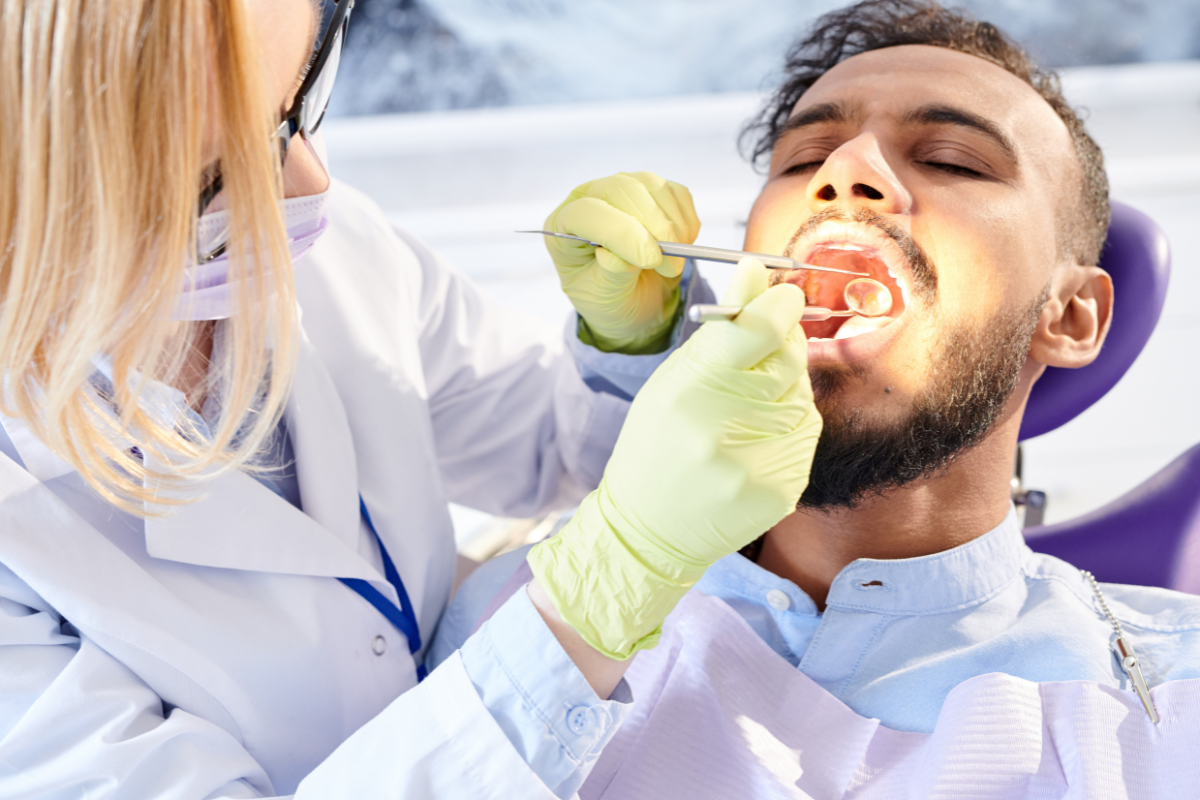
Cracks aren’t always visible to the naked eye. Dental professionals use a combination of tools and techniques to identify them early, including:
- Bite tests to pinpoint pressure sensitivity
- Specialized lighting and magnification
- Digital X-rays to rule out deeper damage
- Careful evaluation of symptoms and history
An experienced Dentist in Spring understands how local lifestyle factors contribute to dental wear and can spot warning signs before they escalate.
What You Can Do Right Now
If you suspect a cracked tooth but feel no pain, take these precautions:
- Avoid chewing on that side
- Skip very hard, sticky, or crunchy foods
- Don’t ignore minor sensitivity if it develops
- Maintain gentle brushing and flossing
- Schedule a professional evaluation sooner rather than later
Early care is almost always more conservative than waiting for symptoms.
Don’t Wait for Pain to Make the Decision for You
A cracked tooth without pain is still a warning sign. Addressing it early can protect your natural tooth, reduce treatment complexity, and preserve your long-term oral health.
If you’ve noticed a crack or suspect something isn’t quite right, professional guidance matters. Vibe Dentistry Spring is committed to helping patients in the Spring community protect their smiles with proactive, personalized care. Booking an appointment today can help you stay ahead of problems before discomfort ever begins.
FAQs
Can A Cracked Tooth Heal On Its Own?
No. Tooth enamel cannot regenerate. While symptoms may come and go, the crack itself will not repair without treatment.
Is It Normal To Have A Cracked Tooth With No Pain?
Yes. Many cracks don’t cause pain until they reach deeper layers of the tooth or allow bacteria inside.
How Long Can A Cracked Tooth Go Untreated?
There’s no safe timeline. Some cracks worsen quickly, while others progress slowly—but all carry risk if ignored.
Will I Always Need A Crown For A Cracked Tooth?
Not always. Treatment depends on the crack’s size, depth, and location. Early detection may allow simpler options.
Should I See A Dentist Even If It Doesn’t Hurt?
Yes. Pain is not a reliable indicator of tooth health. Early evaluation helps prevent complications.