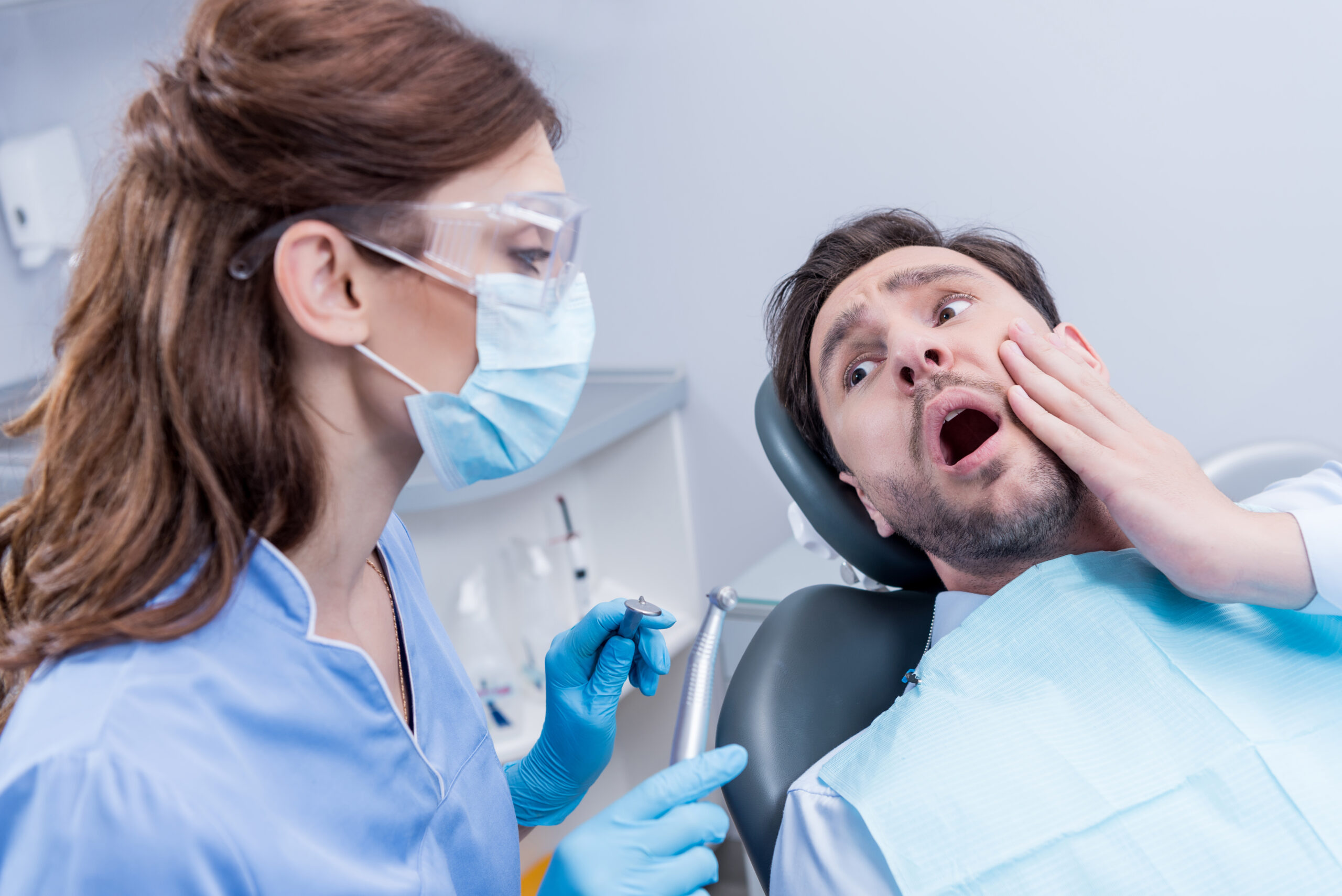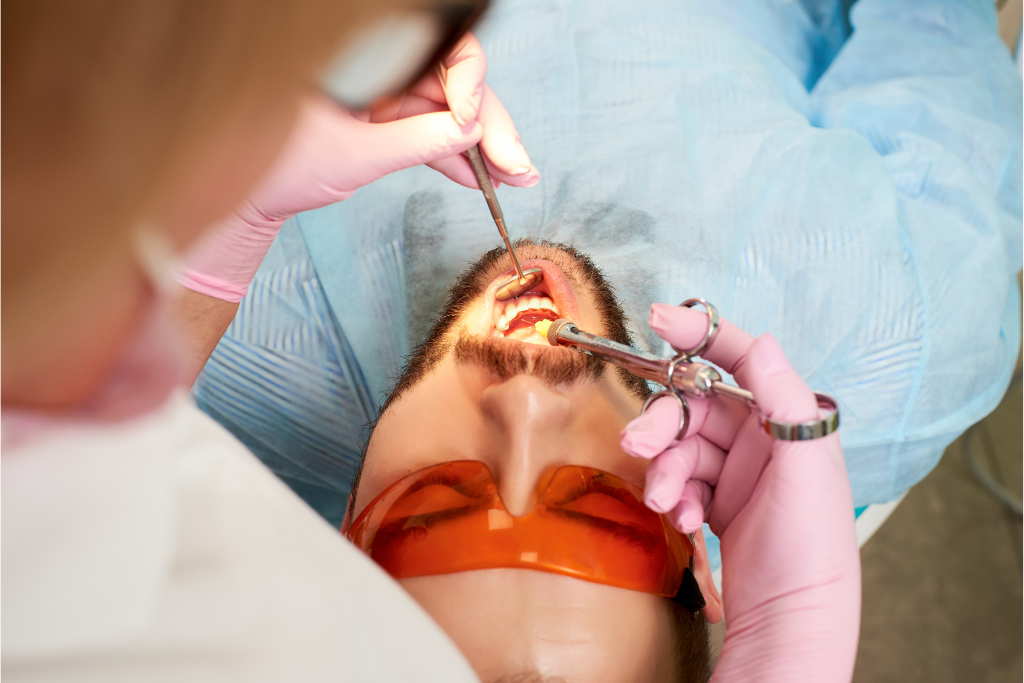
When it comes to dental care, many of us understand the importance of regular checkups, cleanings, and preventive measures. However, there’s another crucial aspect of oral health that often gets less attention: emergency dentistry. Dental emergencies can strike at any time, and knowing the vital role of emergency dentists is essential for maintaining your overall health and well-being. In this blog, we’ll delve into what constitutes a dental emergency, why it’s vital to have access to emergency dental care, and how to prepare for unexpected oral health issues.
What Qualifies as a Dental Emergency?
A dental emergency is any situation where immediate professional dental care is needed to alleviate severe pain, stop bleeding, prevent infection, or save a tooth or oral structure. These situations can range from sudden injuries to ongoing dental issues that have escalated to a critical point.
Here are some common scenarios that qualify as dental emergencies:
- Severe Toothache: A persistent, excruciating toothache that doesn’t respond to over-the-counter pain relief.
- Knocked-Out Tooth: If a tooth is knocked out due to injury, it’s crucial to seek immediate dental care to have the best chance of saving the tooth.
- Bleeding Gums or Oral Tissues: Uncontrolled bleeding from the gums or other oral tissues, may be due to injury, infection, or other issues.
- Broken or Fractured Tooth: A tooth that is chipped, cracked, or broken requires prompt attention to prevent further damage and potential infection.
- Lost Dental Restoration: If a filling, crown, bridge, or any dental prosthesis becomes dislodged or damaged, it should be addressed quickly to avoid complications.
- Infections or Abscesses: Swelling, pain, and pus around the gums or tooth may indicate an infection that needs immediate attention.
- Severe Oral Trauma: Any facial or oral trauma resulting in injuries to the teeth, jaw, or soft tissues should be considered a dental emergency.
- Loose or Displaced Teeth: Teeth that are loosened, out of alignment, or displaced from their normal position should be addressed without delay.
The Vital Role of Emergency Dentists
- Immediate Pain Relief: Dental emergencies are often characterized by excruciating pain. Emergency dentists can provide quick pain relief through various treatments, which may include dental fillings, root canals, or extractions.
- Preservation of Teeth: In situations where teeth are at risk of being lost, emergency dentists can often intervene to save them. This is especially important for maintaining proper oral function and aesthetics.
- Prevention of Complications: Dental issues can quickly escalate into severe infections, which can potentially spread to other parts of the body. Emergency dentists can prevent these complications by treating infections at their source.
- Rapid Diagnosis: Emergency dentists are experienced in assessing oral health problems swiftly, which allows for faster diagnosis and immediate treatment planning.
- Injury Management: In cases of oral trauma, emergency dentists can assess and manage injuries to the teeth, jaw, and surrounding tissues, which can be crucial for long-term recovery.
- Peace of Mind: Dental emergencies can be frightening and painful. Knowing that you have access to a skilled emergency dentist can provide peace of mind, especially during unexpected crises.
How to Prepare for Dental Emergencies
While you can’t predict when a dental emergency will occur, you can take some steps to be prepared:
- Find an Emergency Dentist: Research and select an emergency dentist or dental clinic in your area that provides emergency services. Keep their contact information easily accessible.
- Know What to Do: Familiarize yourself with basic first-aid procedures for dental emergencies, such as how to handle a knocked-out tooth or manage oral bleeding.
- Have a Dental Emergency Kit: Consider creating a small kit with essentials like sterile gauze, a small container for knocked-out teeth, over-the-counter pain relievers, and the contact information for your emergency dentist.
- Stay Calm: In the event of a dental emergency, it’s essential to stay calm. Panic can exacerbate the situation. Remember that you have a dental professional to turn to for help.
- Regular Dental Checkups: Don’t underestimate the value of routine dental checkups. Many dental emergencies can be prevented or detected early during these visits.
Conclusion
Dental emergencies can happen to anyone, at any time. Understanding what constitutes a dental emergency and the vital role of emergency dentists is crucial for maintaining your oral health and overall well-being. By being prepared and knowing where to turn in times of crisis, you can ensure that you receive the prompt, expert care you need to address emergencies effectively. Dental health is a fundamental part of your overall health, and being informed about emergency dentistry is a step toward ensuring you’re prepared for the unexpected.