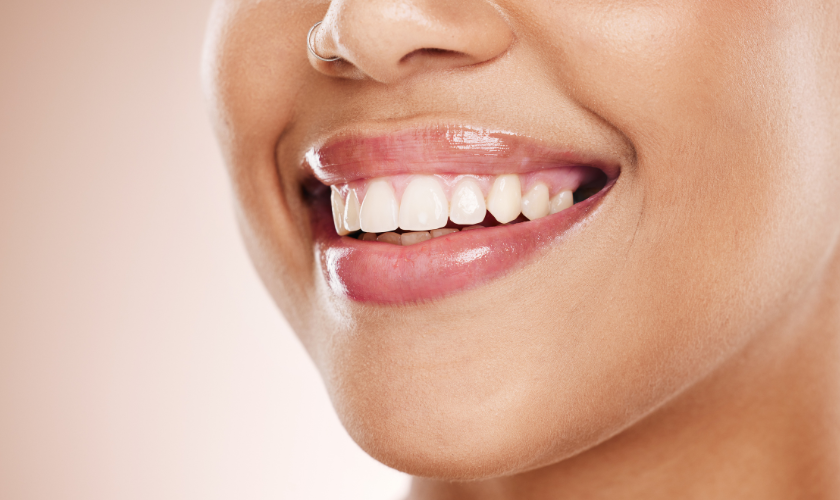
A brilliant smile has the potential to enhance your confidence and create a memorable impact. Nevertheless, not everyone possesses flawless teeth from birth. Dental imperfections like chips, cracks, gaps, or discoloration can often hinder your smile’s potential. This is where cosmetic bonding comes to the rescue, providing a cost-effective, minimally invasive solution to transform your smile. In this comprehensive guide, we’ll explore the process of cosmetic bonding, delve into the before and after results, and discover how this cosmetic dentistry procedure can help you achieve the smile of your dreams.
Understanding Cosmetic Bonding
Cosmetic bonding is a versatile and popular dental procedure designed to improve the aesthetics of your teeth. It encompasses applying a composite resin material that matches the tooth’s color to the afflicted tooth or teeth. The resin is carefully sculpted and bonded to the tooth’s surface, concealing imperfections and enhancing its appearance.
Before Cosmetic Bonding: Assessing Your Smile
Before embarking on your cosmetic bonding journey, it’s essential to undergo a comprehensive dental evaluation. Your dentist will examine your teeth, discuss your concerns, and determine if cosmetic bonding is the right solution. This assessment helps ensure that your dental issues are suitable for bonding and that no underlying problems require different treatments.
The Cosmetic Bonding Process
Once you’ve decided to proceed with cosmetic bonding, the process typically involves the following steps:
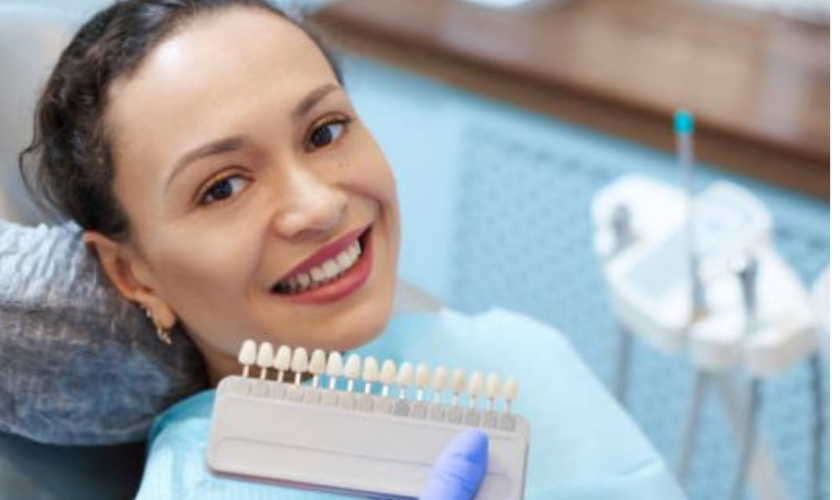
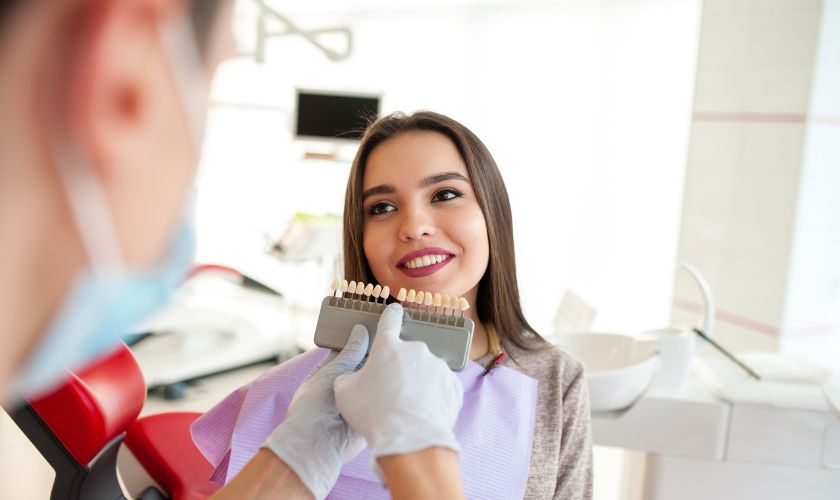
1. Consultation: Your dentist will discuss your goals and expectations. They will also select a shade of composite resin that matches your natural teeth to ensure a seamless blend.
2. Preparation: In most cases, little to no preparation of the tooth’s surface is required. Anesthesia is usually unnecessary unless bonding is used to fill a cavity.
3. Bonding: The dentist will apply the composite resin to the tooth, carefully shaping and sculpting it to achieve the desired look. Subsequently, ultraviolet light or laser is employed to solidify the substance.
4. Final Touches: After the resin has cured, the dentist will trim, shape, and polish it to provide a natural appearance and ensure a comfortable bite.
Caring for Bonded Teeth
To ensure the longevity of your newly enhanced smile, it’s essential to maintain good oral hygiene practices. This encompasses habitual brushing, flossing, and scheduled dental examinations. While cosmetic bonding is stain-resistant, it can still be susceptible to staining from coffee, tea, and tobacco. Therefore, it’s advisable to minimize the consumption of these substances.
Transform Teeth with Cosmetic Bonding
Cosmetic bonding is a remarkable dental procedure that can boost your smile and confidence. The “before and after” results of this treatment often leave patients astonished by the remarkable improvements in their smiles. If you’re considering enhancing your smile or addressing dental imperfections, consult a qualified cosmetic dentist to explore the possibilities of cosmetic bonding. With this minimally invasive and cost-effective solution, you can achieve the smile you’ve always dreamed of and radiate confidence in every aspect of your life.
Conclusion
If you’ve been searching for a way to fix chips, close gaps, or restore brightness to your smile, cosmetic bonding in Spring offers an ideal blend of beauty, affordability, and simplicity. At Vibe Dentistry Spring, our skilled dental team uses advanced techniques and high-quality materials to create natural, long-lasting results tailored to you. Don’t wait to love your smile book an appointment today and discover how a simple cosmetic bonding treatment can give you the confident, radiant smile you deserve.
FAQS
How long does cosmetic bonding last on teeth?
With proper oral care, cosmetic bonding can last between 5 to 10 years. Regular checkups can help maintain its strength and beauty.
Can cosmetic bonding fix gaps between teeth?
Yes, cosmetic bonding is a great solution for closing small gaps between teeth, offering a natural-looking and minimally invasive alternative to braces or aligners.
How do I care for my bonded teeth after treatment?
Maintain good oral hygiene by brushing, flossing, and visiting your dentist regularly. Avoid habits like nail-biting or chewing hard foods to protect your bonded teeth
Who is a good candidate for cosmetic bonding?
Anyone with minor chips, cracks, discoloration, or gaps in their teeth may be an ideal candidate. A consultation at Vibe Dentistry Spring can help determine if bonding is right for you.