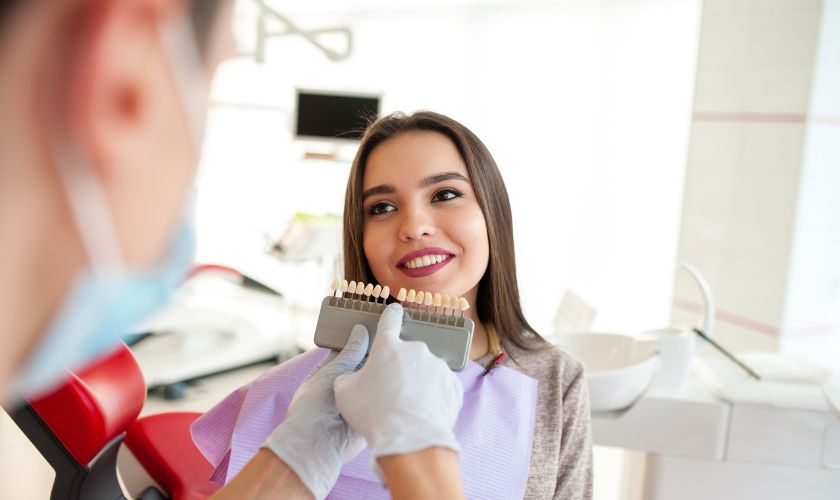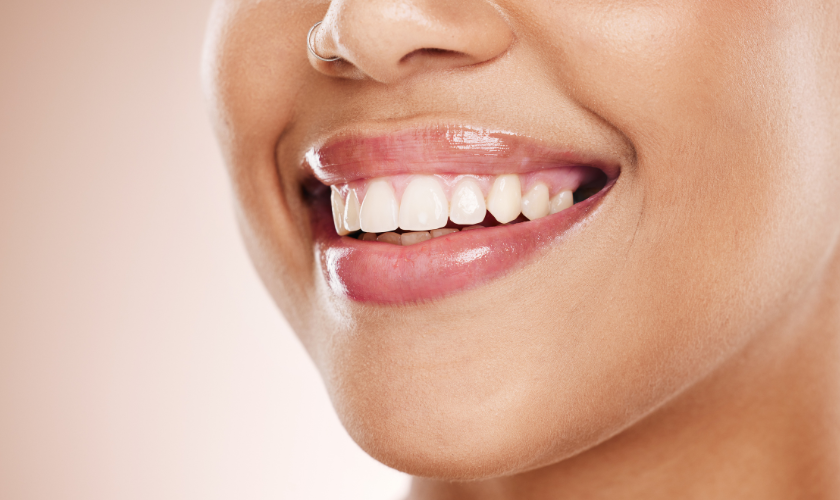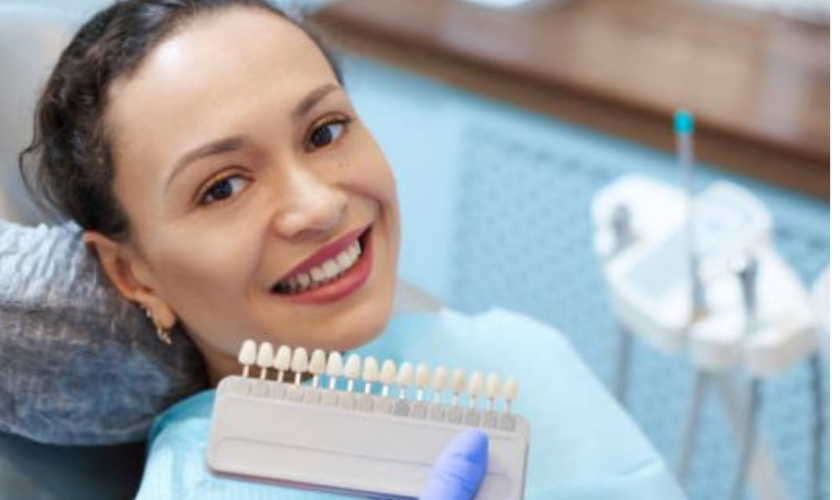
If you’ve been chatting with your neighbors at the farmers market on Main Street or scrolling through local Facebook groups, you’ve probably noticed more people talking about quick, affordable smile fixes. Chipped tooth from biting into a pecan pie a little too eagerly? Small gap that’s bothered you since middle school? Cosmetic bonding in Spring has become one of the most requested treatments for exactly these kinds of everyday smile concerns, and for good reason. It’s fast, it’s budget-friendly, and it doesn’t require the multiple visits that crowns or veneers often demand.
But here’s the question almost every patient asks during their first consultation: how long is this actually going to last? A cosmetic bonding treatment can be a wonderful investment in your smile, but its lifespan isn’t the same for everyone. Some patients get eight or nine good years out of their bonding. Others notice chipping or staining within two or three. The difference usually comes down to a handful of factors that are worth understanding before you sit in the chair.
What Cosmetic Bonding Actually Is
Bonding uses a tooth-colored composite resin that your dentist sculpts directly onto the tooth, shapes to match your natural bite, and hardens with a curing light. Unlike veneers, there’s typically no need to shave down enamel, and unlike crowns, there’s no lab work or waiting weeks for a permanent restoration. Most bonding appointments here in Spring wrap up in under an hour, which fits nicely into a lunch break for folks working over near the Grand Parkway corridor or heading back to pick up kids from Klein ISD schools.
The Honest Average Lifespan
On average, dental bonding holds up well for three to ten years. That’s a wide range, and it’s wide on purpose, because bonding is a material that responds directly to how it’s treated. Think of it a bit like the finish on a wood floor. Two identical floors can age completely differently depending on foot traffic, sunlight exposure, and how often they get cleaned.
Factors That Determine How Long Bonding Lasts
A few everyday habits and choices tend to make the biggest difference in how well bonding holds up over time:
- Your bite habits. Grinding your teeth at night, chewing on pens, or using your teeth to open packages puts stress on the resin that it simply wasn’t designed to handle.
- Diet and staining habits. Coffee runs before work, sweet tea with lunch, and the occasional glass of red wine on the weekend are all part of life in Texas, but they can gradually dull the shine of bonded teeth faster than they affect natural enamel.
- Oral hygiene routine. Regular brushing, flossing, and professional cleanings protect the edges of the bonding material where it meets your natural tooth.
- Location of the bonding. Bonding placed on front teeth used mainly for biting into soft foods tends to last longer than bonding on teeth that handle heavier chewing pressure.
- Quality of the original application. An experienced dentist who properly shapes and polishes the resin, and who chooses the right shade and layering technique, sets you up for a longer-lasting result from day one.
Understanding these factors upfront helps set realistic expectations before you commit to treatment.
Simple Habits That Extend the Life of Your Bonding
Most patients find that a few small adjustments make a real difference:
- Wear a nightguard if you grind your teeth
- Rinse with water after coffee, tea, or dark sodas
- Avoid chewing on ice, pens, or fingernails
- Keep up with routine cleanings twice a year
Scheduling regular checkups also lets your dentist catch small chips or rough edges early, before they turn into bigger problems.
Why Local Climate and Lifestyle in Spring Actually Matter
It might sound surprising, but where you live can play a small role in how your bonding holds up. Spring’s warm, humid climate means a lot of us are outdoors more often, whether that’s kayaking on Spring Creek, walking the trails at Mercer Botanic Gardens, or grabbing lunch on a patio in Old Town Spring. More time outdoors often means more iced drinks, more snacking, and, for a lot of families, more youth sports where a stray elbow or ball can catch a tooth. None of this means bonding is a poor choice for our community, but it does mean your dentist should factor your lifestyle into the plan when recommending cosmetic bonding in Spring, from the shade of resin used to how the edges are finished.
When It’s Time for a Touch-Up or Replacement
Bonding doesn’t fail overnight. It tends to show small warning signs first, like a rough edge you can feel with your tongue, a slight color mismatch compared to surrounding teeth, or minor chipping at the corner of a bonded tooth. Catching these early usually means a quick, inexpensive touch-up rather than a full redo. This is one more reason routine checkups matter so much for anyone who has invested in cosmetic bonding in Spring.
Is Cosmetic Bonding Right for You?
Bonding is an excellent option for minor chips, gaps, discoloration, and small shape corrections. It’s not usually recommended for teeth under heavy bite force or for corrections that need dramatic reshaping, where veneers or crowns may serve you better long term. A short consultation is really the best way to know which option fits your smile, your budget, and your goals.
Ready to Talk About Your Smile?
Every smile tells a story, and small imperfections don’t have to be part of yours. If you’ve been considering cosmetic bonding in Spring, the team at Vibe Dentistry is happy to sit down with you, take a look, and talk honestly about whether bonding, veneers, or another option makes the most sense for your teeth and your lifestyle. Book your appointment today with Vibe Dentistry and take the first step toward a smile you’re excited to share.
Frequently Asked Questions
Does cosmetic bonding hurt?
No. Bonding rarely requires anesthesia since it doesn’t involve removing significant tooth structure, and most patients describe the appointment as comfortable and quick.
Can bonded teeth be whitened later?
Not effectively. Whitening treatments work on natural enamel, not composite resin, so bonding should ideally be done after any whitening treatment you’re planning.
How much does cosmetic bonding cost compared to veneers?
Bonding is generally more affordable than porcelain veneers since it requires less time in the chair and no lab fabrication, though exact pricing depends on how many teeth are treated.
How soon can I eat normally after bonding?
You can eat almost immediately, though it’s smart to avoid very hard or sticky foods for the first 24 hours while the material fully settles.