For many people, the term “root canal” immediately triggers fear and anxiety. It has become one of the most dreaded dental procedures due to myths and misconceptions about pain. But is root canal treatment as painful as people believe? The short answer is no. Thanks to modern dental techniques and advancements in technology, root canal treatments are now more comfortable than ever before.
In this blog post, we will explore the root canal procedure, address common concerns about pain, and clarify what you can expect before, during, and after the treatment.
What Is a Root Canal Treatment?
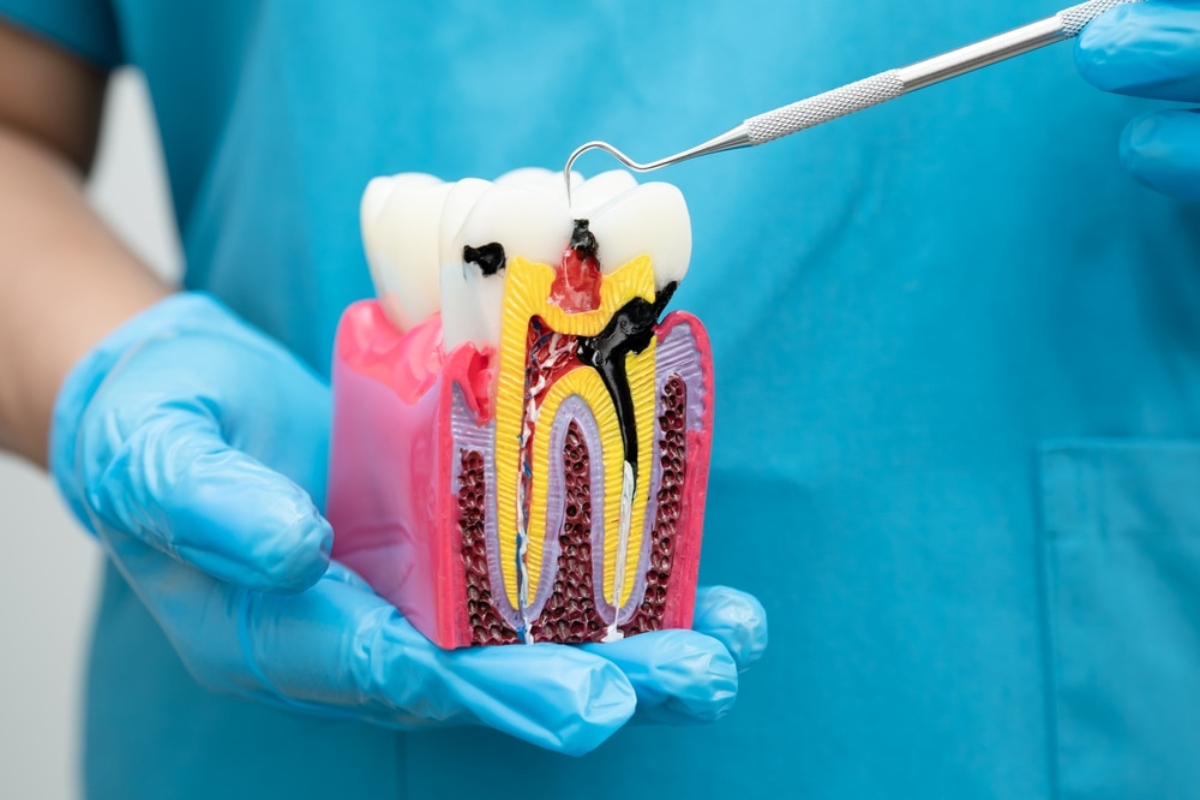
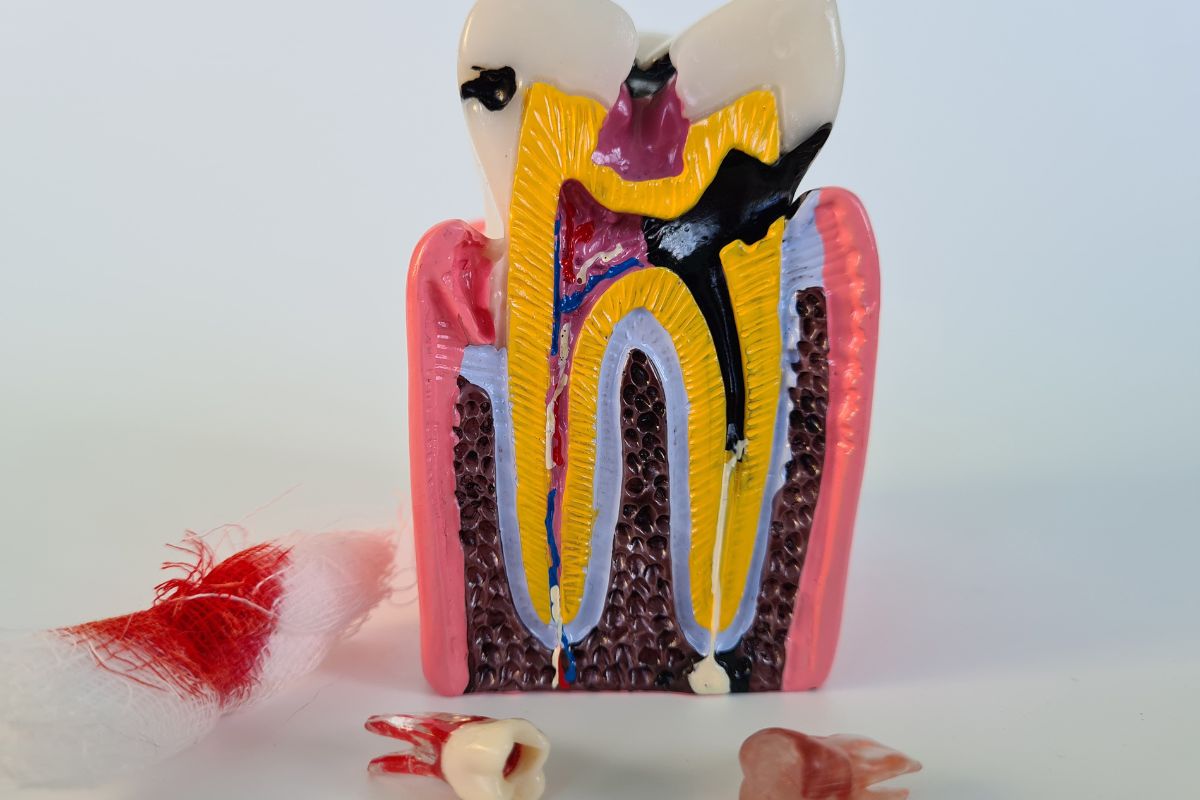
A root canal is a dental procedure designed to save a tooth that is severely infected or damaged. The treatment involves removing the infected or inflamed pulp (the soft tissue inside the tooth), cleaning and disinfecting the tooth, and then sealing it to prevent further infection.
Root canals are performed to:
- Relieve severe tooth pain caused by infection or decay.
- Save a tooth that would otherwise need to be extracted.
- Prevent the spread of infection to surrounding teeth and gums.
The Myths: Is Root Canal Treatment Painful?
One of the biggest myths surrounding root canal treatment is that it is excruciatingly painful. However, the reality is quite different. Root canals are performed to relieve pain, not cause it.
Before the procedure begins, your dentist will numb the area around the affected tooth using local anesthesia. This ensures that you won’t feel any pain during the treatment. Most patients compare the sensation to getting a routine filling—there may be some pressure, but no pain.
What Causes the Pain? The Infection, Not the Treatment
It’s important to understand that the pain often associated with root canals is due to the infection or inflammation of the tooth’s pulp, not the treatment itself. When a tooth is infected, the nerve inside becomes inflamed, which can lead to significant discomfort. A root canal addresses this by removing the infected tissue, which alleviates the pain.
According to the American Association of Endodontists, modern root canals are typically no more painful than having a cavity filled. The discomfort you feel before the treatment is what’s painful—the root canal procedure brings relief.
What to Expect During the Root Canal Procedure
Understanding the root canal process can help reduce any anxiety you may have. Here’s a step-by-step guide to what happens during the procedure:
1. Numbing the Area
Before the procedure starts, your dentist will apply a local anesthetic to numb the tooth and surrounding gum tissue. This ensures you won’t feel any pain during the treatment.
2. Removing the Infected Pulp
Once the area is numb, your dentist will create a small opening in the tooth to access the infected or inflamed pulp. Using specialized tools, the pulp is carefully removed, and the inside of the tooth is cleaned and disinfected.
3. Sealing the Tooth
After cleaning the tooth, it’s time to seal it. In some cases, the dentist may place a temporary filling to allow time for any infection to clear completely before sealing the tooth with a permanent filling.
4. Placing a Crown
In most cases, a crown (a custom-made cap that fits over the tooth) is placed after the root canal to protect the tooth and restore its strength and appearance.
Post-Procedure: What to Expect
After the root canal procedure, you may experience mild discomfort or tenderness in the area for a few days. This is a natural response to the cleaning process and the body’s healing efforts. However, any discomfort is usually manageable with over-the-counter pain medications, such as ibuprofen or acetaminophen.
In rare cases, patients may experience lingering sensitivity, but this typically subsides within a week or two.
Tips for a Smooth Recovery
To ensure a smooth recovery after your root canal treatment, consider the following tips:
- Avoid chewing on the treated tooth until a crown is placed, as the tooth can be more fragile immediately after the procedure.
- Stick to soft foods like yogurt, smoothies, and soups during the recovery period to avoid putting too much pressure on the affected area.
- Follow your dentist’s instructions for post-treatment care and take any prescribed medications as directed.
Root Canal Success Rates and Alternatives
Root canal treatments are highly successful, with studies showing a success rate of about 90–95%. This makes it one of the most effective ways to save a tooth that might otherwise be lost due to infection or decay.
That being said, root canals aren’t the only option. In some cases, if the infection is too severe or the tooth is too damaged, extraction may be necessary. However, extracting a tooth can lead to complications, such as shifting teeth, difficulty chewing, and the need for replacement options like dental implants or bridges.
Root canals, on the other hand, preserve the natural tooth, maintaining the structure of your jaw and bite.
Pain Management: How to Stay Comfortable
As mentioned earlier, root canal procedures themselves aren’t painful. However, to help manage any discomfort you may feel afterward, your dentist may recommend the following:
- Take pain relievers: Over-the-counter medications like ibuprofen can help reduce any post-procedure discomfort.
- Apply cold compresses: If you experience swelling, applying an ice pack to the outside of your face near the treated area can help reduce swelling and ease any pain.
- Maintain good oral hygiene: Brush and floss your teeth as usual, but avoid the treated area until the tenderness subsides.
If you follow your dentist’s post-procedure instructions and maintain good oral hygiene, your recovery should be smooth and pain-free.
Conclusion: Root Canal Treatment – Relief, Not Pain
The idea that root canals are unbearably painful is a misconception that should be put to rest. Root canal treatment is designed to relieve the pain caused by infected or damaged teeth, not to cause more discomfort. Thanks to modern techniques and anesthesia, you can expect a relatively painless experience during the procedure.
If you’re experiencing tooth pain and think you may need a root canal, don’t delay visiting your dentist in Spring. Early intervention can prevent further damage and save your teeth, helping you maintain a healthy smile for years to come.