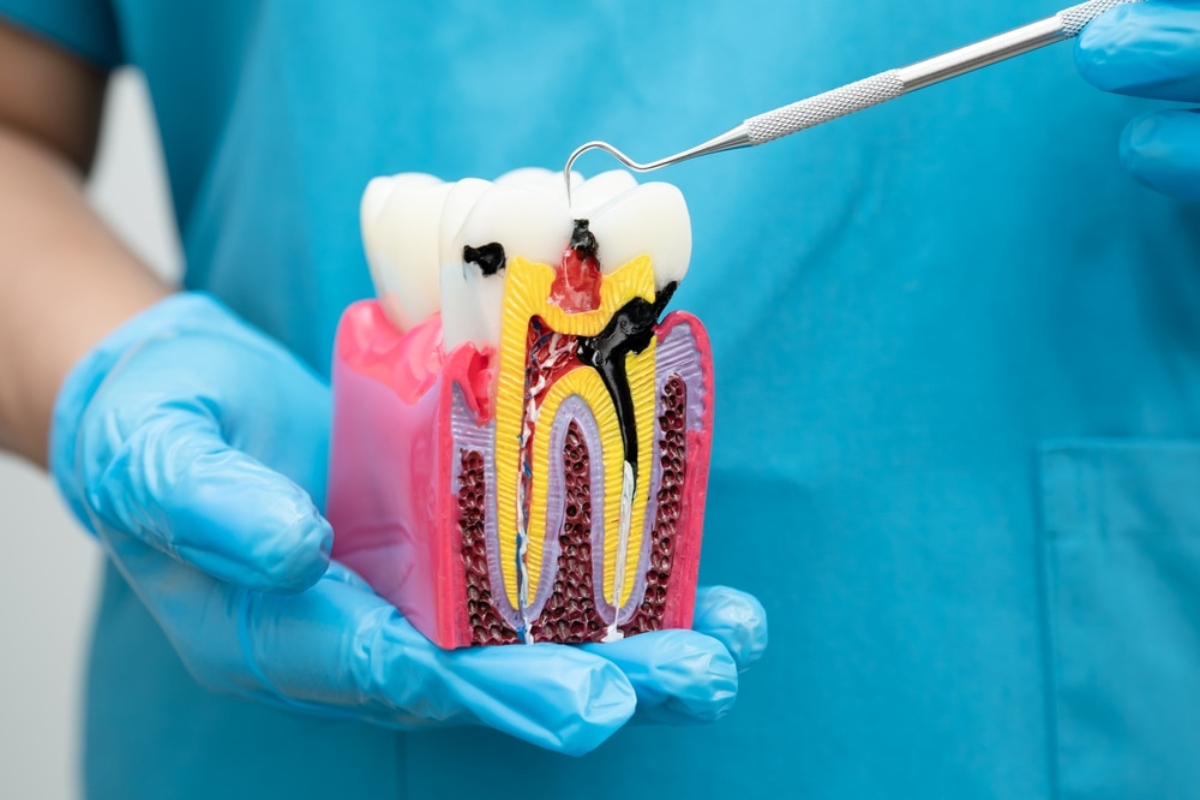
Root canal therapy often sounds intimidating, but in reality, it’s a straightforward and highly effective treatment for saving damaged or infected teeth. Understanding the process, recovery, and benefits can help you feel more confident when it’s time to undergo the procedure. In this guide, we’ll walk you through what to expect from start to finish – using a clear, evidence-based approach so you know exactly what’s ahead.
Experience – Understanding Root Canal Therapy
Root canal therapy is designed to treat infection or inflammation inside the tooth’s pulp, which is the soft tissue containing nerves and blood vessels. When left untreated, this infection can cause severe pain, swelling, and even lead to tooth loss.
Many patients find relief in knowing that modern Root Canal Treatment in Spring techniques are far more comfortable than they imagine. With the right dental care team, most people experience little to no discomfort during the procedure – similar to getting a standard filling.
Expertise – Step-by-Step Process of a Root Canal
Knowing the steps of a root canal can reduce anxiety and prepare you for the experience. Here’s a breakdown:
1. Initial Examination & Diagnosis
Your dentist will take X-rays to assess the extent of the infection and determine if a root canal is the right solution. You might be searching for a dentist near me when symptoms like tooth sensitivity, severe pain, or gum swelling arise. Early diagnosis ensures the treatment is quicker and more effective.
2. Local Anesthesia
Before starting, the dentist numbs the affected area with a local anesthetic, so you remain comfortable throughout the procedure. Many patients are surprised at how painless this step is.
3. Cleaning the Infected Pulp
The dentist creates a small opening in the tooth to access the pulp chamber. The infected tissue is carefully removed, and the inside of the tooth is thoroughly cleaned and disinfected.
4. Shaping & Filling the Canals
Once cleaned, the canals inside the tooth are shaped and filled with a rubber-like material called gutta-percha to seal the space and prevent future infection.
5. Restoration
After the root canal, a filling or crown is placed to restore strength and function. This final step is crucial to protect your treated tooth for years to come.
Authoritativeness – Why Root Canal Therapy is Beneficial
Root canal therapy has a success rate of over 95% and offers several key benefits:
- Pain Relief – It eliminates the discomfort caused by infection.
- Tooth Preservation – You keep your natural tooth, avoiding extraction.
- Restored Functionality – You can chew and speak normally after healing.
- Aesthetic Maintenance – A crown or filling blends seamlessly with your natural smile.
When you choose a trusted dental office with experience in root canal procedures, you’re ensuring both comfort and long-term results.
Trustworthiness – Recovery & Aftercare Tips
Recovery from a root canal is usually quick, with most patients returning to normal activities within a day. Mild soreness or sensitivity may occur for a few days and can be managed with over-the-counter pain relievers.
Here are some aftercare tips for a smooth recovery:
- Avoid Chewing on the Treated Tooth Until Restored
Wait until your permanent crown or filling is placed before chewing on the treated side. - Maintain Excellent Oral Hygiene
Brush twice a day and floss daily to keep the treated area clean. - Follow Your Dentist’s Instructions
If prescribed antibiotics or pain medication, take them as directed. - Attend All Follow-Up Visits
Regular checkups ensure that the treated tooth remains healthy.
Root canal therapy doesn’t have to be stressful. With modern techniques, skilled professionals, and a clear understanding, you can expect a comfortable and effective treatment that saves your tooth and restores your confidence.
If you’ve been putting off treatment due to fear, remember that early intervention prevents more complicated (and costly) dental issues. Don’t delay – book an appointment today to protect your oral health.