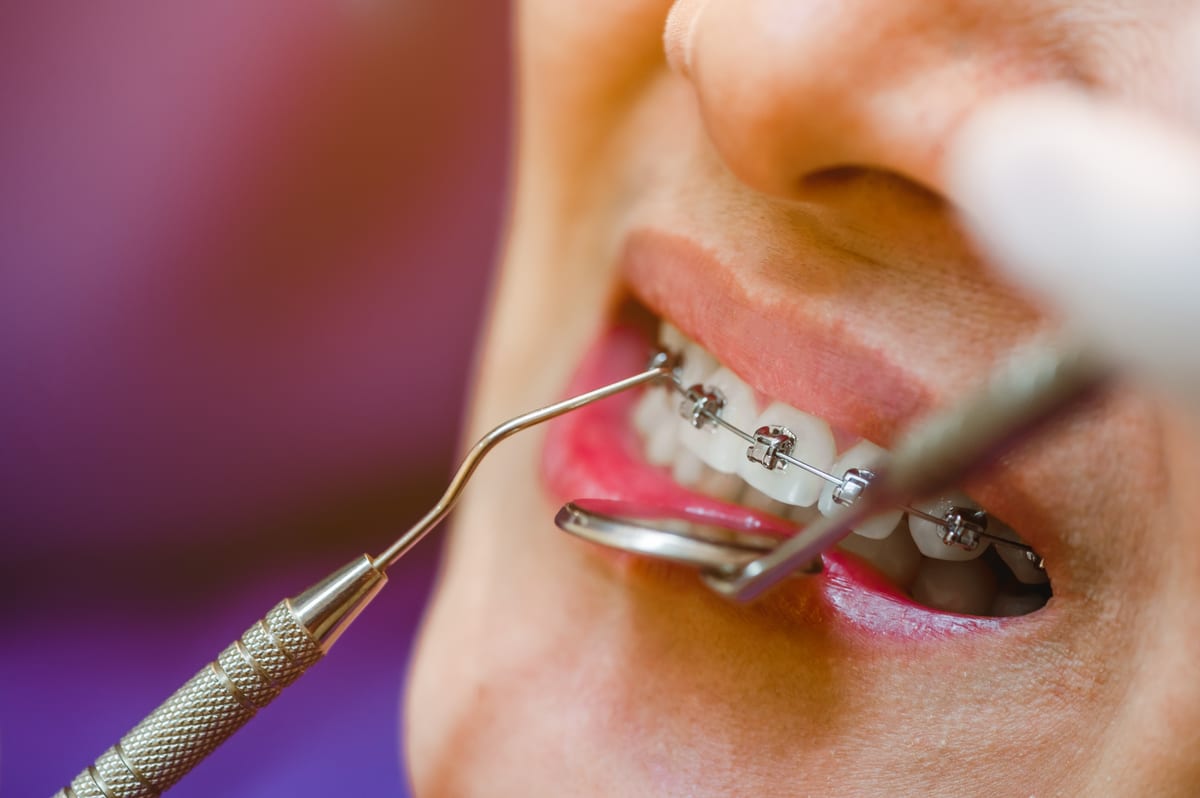
Toothaches are more than just a minor inconvenience—they can disrupt your day, affect your ability to eat, and even interfere with your sleep. But what exactly causes that nagging pain, and what should you do when a toothache strikes? Understanding the root of the problem is key to finding relief and preventing future issues. Let’s explore the common causes of toothaches, how to manage the pain, and when it’s time to see your dentist.
What Causes a Toothache?
Toothaches can have various causes, some of which may surprise you. The most common culprits include:
- Cavities: Tooth decay is the leading cause of toothaches. When cavities penetrate the enamel and reach the sensitive inner layers of the tooth, they can cause significant pain.
- Gum Disease: Inflammation or infection of the gums (gingivitis or periodontitis) can lead to pain, especially when it causes the gums to recede and expose the tooth roots.
- Tooth Abscess: A severe infection at the root of the tooth or between the tooth and the gum can cause intense pain and swelling. An abscess often requires prompt treatment to prevent the infection from spreading.
- Tooth Fractures: A cracked or broken tooth can lead to sharp pain, especially when biting down or when the fracture exposes the nerve.
- Teeth Grinding: Habitual grinding or clenching (bruxism) can wear down teeth and lead to tooth sensitivity or pain over time.
- Sinus Infections: Surprisingly, sinus infections can sometimes cause tooth pain, particularly in the upper molars, due to the proximity of the sinuses to the roots of these teeth.
Signs and Symptoms to Watch For
Tooth pain can vary from mild to severe and can manifest in different ways. Here are some symptoms to be aware of:
- Sharp, Throbbing, or Constant Pain: This type of pain may indicate a cavity, abscess, or fracture. It often worsens with chewing or temperature changes.
- Swelling and Tenderness: If your gums are swollen and tender, especially around a particular tooth, it could be a sign of an abscess or gum disease.
- Sensitivity to Temperature: If your teeth are sensitive to hot or cold foods and beverages, it may signal enamel erosion, cavities, or exposed tooth roots.
- Foul Taste or Odor: A bad taste in your mouth or persistent bad breath can indicate an infection, particularly if it’s accompanied by a toothache.
Home Remedies for Temporary Relief
If you’re experiencing a toothache and can’t get to the dentist right away, there are a few home remedies that might help alleviate the pain temporarily:
- Saltwater Rinse: Mixing a teaspoon of salt in warm water and rinsing your mouth can help reduce inflammation and clear away bacteria.
- Cold Compress: Applying a cold compress to the outside of your cheek near the painful area can reduce swelling and numb the pain.
- Over-the-Counter Pain Relievers: Non-prescription pain relievers like ibuprofen or acetaminophen can help manage the pain until you can see a dentist.
- Clove Oil: Known for its natural numbing properties, clove oil can be applied directly to the painful tooth using a cotton ball for temporary relief.
- Hydrogen Peroxide Rinse: A diluted hydrogen peroxide rinse can help reduce bacteria and ease discomfort if there’s an infection, but be careful not to swallow it.
When to See a Dentist
While home remedies can offer temporary relief, they’re not a substitute for professional dental care. It’s important to see a dentist if:
- Pain Persists for More Than a Day or Two: Persistent pain is often a sign of a more serious issue that needs professional treatment.
- Swelling, Fever, or Foul Taste Develops: These symptoms could indicate an infection, which may require antibiotics or more intensive treatment.
- You Have Difficulty Swallowing or Breathing: These symptoms could signal that the infection has spread and is affecting other areas, requiring immediate medical attention.
- You Have a Broken or Knocked-Out Tooth: Dental trauma should be addressed as soon as possible to prevent further damage and increase the chances of saving the tooth.
How Your Dentist Will Treat a Toothache
Your dentist will first perform a thorough examination to determine the cause of your toothache. Depending on the underlying issue, treatment options may include:
- Fillings: If a cavity is the source of your pain, your dentist will remove the decayed portion of the tooth and fill the cavity to prevent further damage.
- Root Canal Therapy: For infections or deep decay that reaches the tooth’s pulp, a root canal may be necessary to remove the infected tissue and save the tooth.
- Gum Treatment: If gum disease is the culprit, your dentist may recommend deep cleaning procedures such as scaling and root planing to remove plaque and tartar buildup below the gumline.
- Tooth Extraction: In cases where the tooth is too damaged to be saved, extraction may be necessary. Your dentist will discuss replacement options, such as dental implants or bridges.
- Abscess Drainage: If an abscess is present, your dentist may need to drain it and prescribe antibiotics to clear the infection.
Preventing Future Toothaches
The best way to avoid the pain and inconvenience of a toothache is to take steps to prevent it in the first place. Here’s how:
- Maintain Good Oral Hygiene: Brush at least twice a day with fluoride toothpaste, floss daily, and use an antiseptic mouthwash to keep bacteria at bay.
- Visit Your Dentist Regularly: Regular checkups and cleanings allow your dentist to catch problems early before they become painful.
- Limit Sugary and Acidic Foods: These can contribute to tooth decay and erosion, increasing your risk of cavities and tooth sensitivity.
- Wear a Mouthguard: If you grind your teeth at night or play contact sports, a mouthguard can protect your teeth from damage.
- Avoid Tobacco Products: Smoking and chewing tobacco can contribute to gum disease, tooth decay, and oral cancer.
Conclusion
Toothaches can be a real pain—literally. While home remedies may provide temporary relief, it’s crucial to visit your dentist to address the root cause of the problem. Regular dental visits, good oral hygiene, and a healthy diet are key to preventing future toothaches and keeping your smile pain-free.
If you’re experiencing a toothache, don’t wait—call our office today to schedule an appointment and get the care you need.