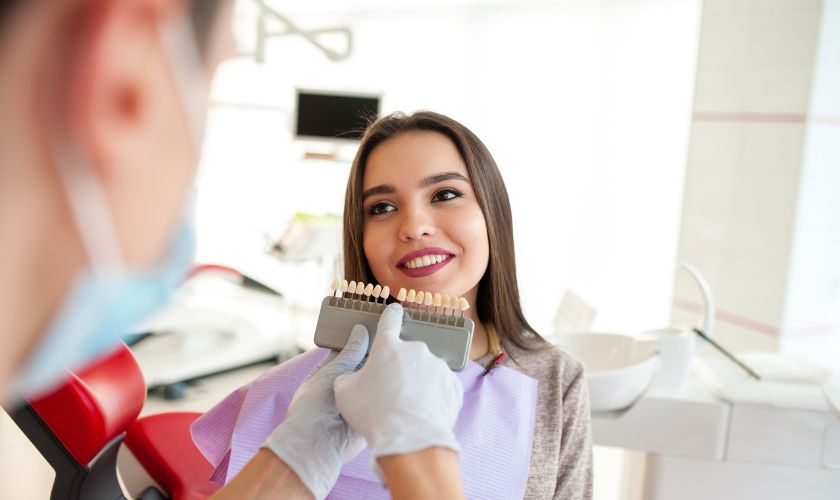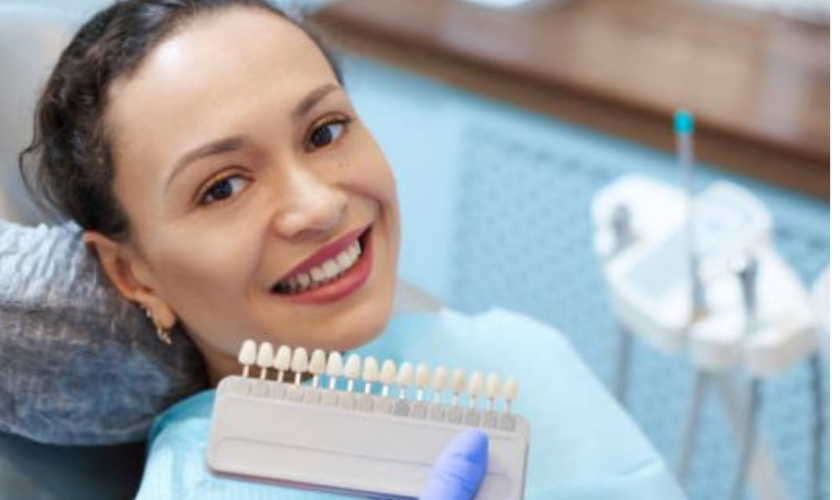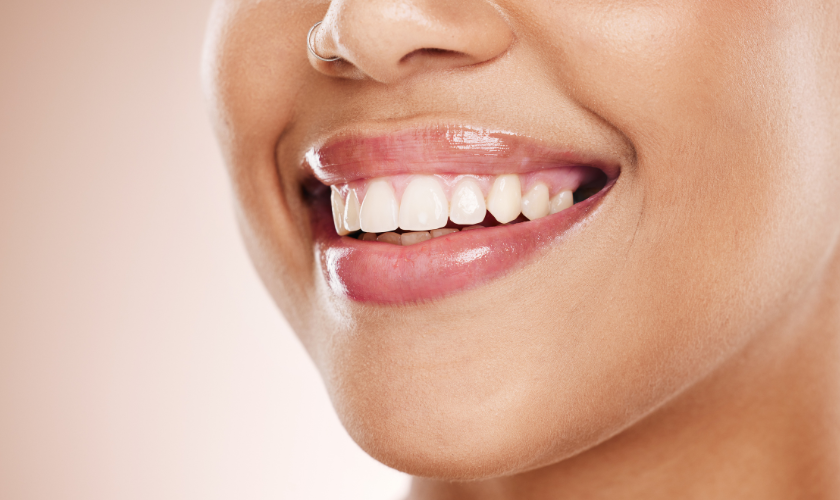
Are you tired of living with chipped, discoloured or misaligned teeth? Look no further! In today’s blog post, we’re diving deep into the world of cosmetic bonding and debunking all those pesky myths surrounding this transformative dental procedure. Get ready to separate fact from fiction as we unveil the truth behind cosmetic bonding – a game-changer that can give you the smile of your dreams in no time. So grab a cup of coffee, sit back, and let’s uncover the real story behind this incredible dental innovation!
Cosmetic Bonding
Cosmetic bonding is a process in which a tooth-coloured resin is applied to the surface of a tooth to improve its appearance. The resin can be used to change the colour, shape, size, or length of the tooth. It can also be used to fill in gaps between teeth.
Cosmetic bonding is usually done in one visit to the dentist. The procedure is relatively quick and easy, and it does not require any anaesthesia. However, it is important to note that cosmetic bonding is not as strong as other dental procedures such as veneers or crowns. Therefore, it may not be suitable for everyone.
If you are considering cosmetic bonding, it is important to consult with a qualified dentist to see if it is right for you.
Common Myths about Cosmetic Bonding
1. Cosmetic bonding is only for people with perfect teeth.
This is one of the most common myths about cosmetic bonding. The truth is that cosmetic bonding can be used to improve the appearance of a wide variety of dental imperfections, including stained or discoloured teeth, chipped or cracked teeth, gapped teeth, and misshapen teeth. In fact, cosmetic bonding can even be used to correct minor misalignments.
2. Cosmetic bonding is not as durable as other dental treatments.
Another common myth about cosmetic bonding is that it is not as durable as other dental treatments, such as veneers or crowns. The truth is that cosmetic bonding can last for many years with proper care and maintenance. Additionally, if a bonded tooth does become damaged or discoloured over time, the procedure can be easily repeated to restore its original appearance.
3. Cosmetic bonding is expensive.
Yet another myth about cosmetic bonding is that it is an expensive procedure. The truth is that cosmetic bonding is actually one of the most affordable dental treatments available today. In fact, it typically costs much less than veneers or crowns.
4. Cosmetic bonding is painful.
Many people assume that cosmetic bonding is a painful procedure, but this is simply not true. In fact, the process of applying the composite resin material to the tooth is completely painless. Additionally, most patients don’t even need anaesthetic for the procedure.
5. Cosmetic bonding is a permanent procedure.
This is another common myth about cosmetic bonding that simply isn’t true. Although the bonded material can last for many years with proper care and maintenance, it is not a permanent solution and will need to be replaced or touched up over time.
Ultimately, cosmetic bonding is an effective and affordable solution for improving the appearance of a wide variety of dental imperfections. With proper care and maintenance, it can last for many years and help you achieve the beautiful smile you’ve always wanted.
Benefits of Cosmetic Bonding
Cosmetic bonding is a technique that can be used to improve the appearance of your teeth.
It can be used to correct a wide variety of dental problems, including:
- Gaps between teeth
- Uneven or chipped teeth
- Stained or discoloured teeth
- Misshapen teeth
There are many benefits to cosmetic bonding, including:
- It is much less expensive than other cosmetic dental procedures, such as veneers.
- Can be completed in one office visit.
- It does not require the use of anaesthesia.
- It is not as invasive as other cosmetic dental procedures.
Tips for Maintaining Cosmetic Bonding
Cosmetic bonding is a popular treatment to improve the appearance of your smile. It can be used to change the shape, size, and colour of your teeth. Bonding can also be used to close gaps between teeth or to protect a tooth’s root after it has been exposed to gum recession.
While bonding can last for many years, it is not permanent and will eventually need to be repaired or replaced.
Here are some tips for maintaining your cosmetic bonding:
- Avoid chewing on hard objects like ice or hard candy, which can chip or break the bond.
- Be careful with teeth whitening products, as some can cause the bond to become discoloured.
- Brush and floss regularly to maintain good oral hygiene and prevent staining of the bond.
- See your dentist regularly for checkups and cleanings.
What is Involved in a Cosmetic Bonding Procedure?
A cosmetic bonding procedure involves bonding tooth-coloured materials to the surface of your teeth in order to improve their appearance. The materials used in cosmetic bonding are similar to those used in dental fillings, and the procedure is often used to repair chipped, cracked, or discoloured teeth. Unlike dental fillings, which are permanent, cosmetic bonding is not intended to be a long-term solution; however, it can last for several years with proper care.
Aftercare Instructions
Cosmetic bonding is a quick and easy way to improve the appearance of your teeth, and it can be done in just one office visit. But as with any dental procedure, there are some aftercare instructions you should follow to ensure the best results.
Here are some tips for caring for your teeth after cosmetic bonding:
1. Avoid chewing hard foods for the first 24 hours after the procedure. This will give the bonding material time to set and harden.
2. Avoid eating or drinking anything that could stain your teeth for the first few days after the procedure. This includes coffee, tea, red wine, and dark-coloured fruits and vegetables.
3. Brush and floss your teeth twice a day to keep them clean and free of plaque. Be sure to use non-abrasive toothpaste so you don’t damage the bonding material.
4. See your dentist for regular checkups and cleanings. This will help extend the life of your cosmetic bonding and keep your smile looking its best.
Alternatives to Cosmetic Bonding
If you’re not keen on the idea of bonding your teeth, there are a few alternatives that can give you similar results. Porcelain veneers and Lumineers are two popular choices that can correct many of the same cosmetic dental issues as bonding. Both options involve placing a thin layer of porcelain over the front surface of your teeth, which can effectively conceal flaws like chips, cracks, and gaps.
Porcelain veneers tend to be more durable than Lumineers and can last for up to 15 years with proper care. However, they also require a bit more preparation than Lumineers, as your dentist will need to remove some of your natural tooth enamel before placement. Lumineers are much thinner than veneers and don’t require any removal of tooth enamel. As a result, they’re generally considered to be more reversible than veneers.
Conclusion
Cosmetic bonding is an effective and minimally invasive cosmetic dental procedure that can be used to fix a number of common issues. It’s important to know the facts about this procedure so that you can make an informed decision. We hope this article has helped separate fact from fiction when it comes to cosmetic bonding, allowing you to understand its benefits and risks so that you can decide if it’s right for you.